



Spotlight
A selection of news from across the Federation

Americas & the Caribbean
News item
Profamilia Colombia celebrates the anniversary of abortion historic ruling
Together with feminist activists, collectives and organizations, Profamilia Colombia celebrates 4 years of the historic ruling that extended access to safe and legal abortion.
Most Popular This Week
Americas & the Caribbean

News item
|
Profamilia Colombia celebrates the anniversary of abortion historic ruling
Haz click aquí para leer esta noticia en español.
Americas & the Caribbean

News item
|
Yemaya, the new menstrual shop in Guadeloupe
Haz click aquí para leer esta historia en español.
Haiti

News item
|
Haiti Midwives Association received the Member Association Staff Courage Award
In the spirit of collective strength and shared values, during the IPPF 2025 General Assembly, the IPPF Courage Awards were presented, recognizing Member Associations, stra
Americas & the Caribbean

News item
|
Our Statement on the Reinstatement of the Global Gag Rule
On 24 January 2025, President Trump signed
Americas & the Caribbean

Argentina

News item
|
Confronting Hate Speech: A Call for Democratic and Inclusive Narratives
To read the original article in Spanish, in FunDheg's website, click here.
Americas & the Caribbean

News item
|
Empowering Young Digital Advocates to Transform Narratives
The IPPF ACRO Youth Network has successfully concluded t
Americas & the Caribbean

News item
|
What Kind of Man Are You?
A question: #WhatKindOfManAreYou? Violence is not strength, silence is not a solution.
Filter our news by:

news item
| 16 May 2024
Floods in Rio Grande do Sul: a look at women and climate change
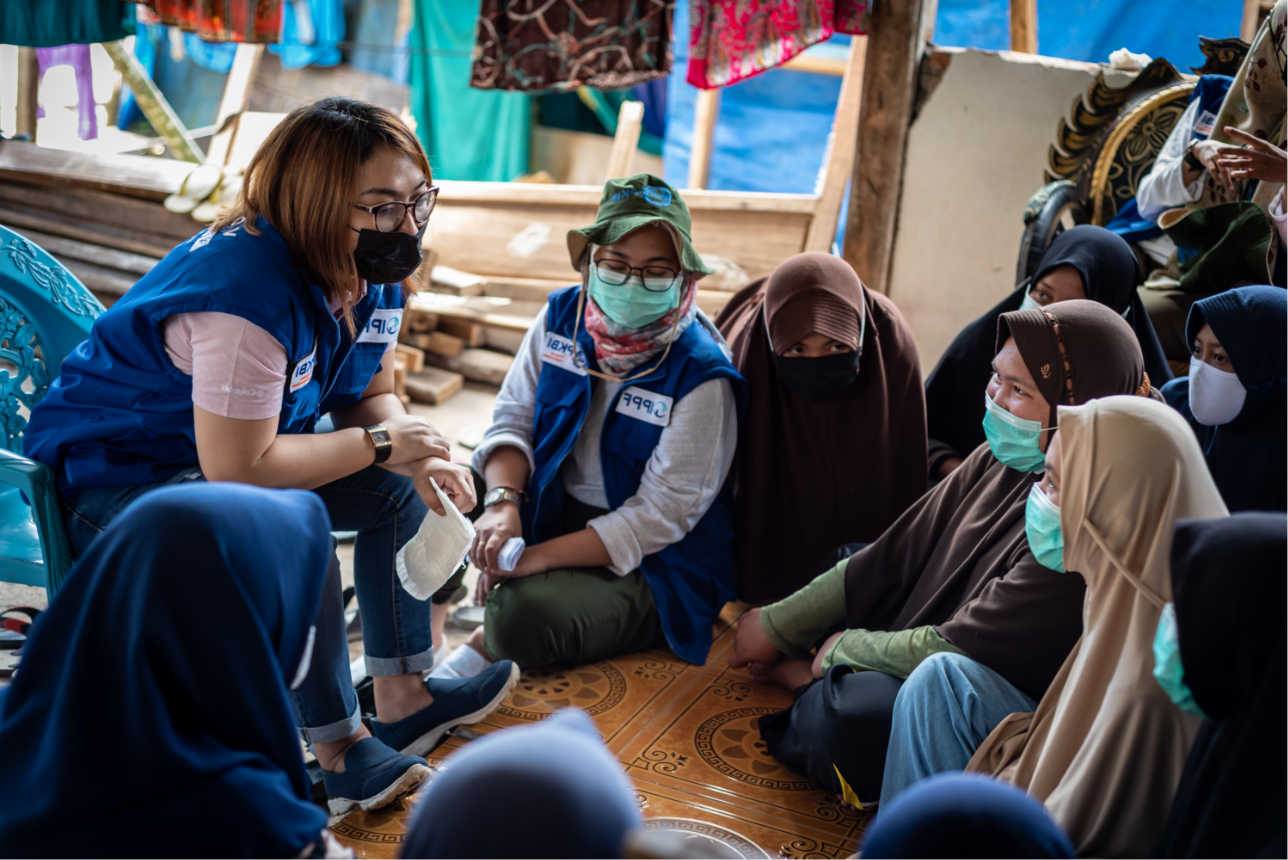
Clique aqui para ler em português. Click aquí para leer en español. Gestos expresses deep solidarity and concern about the current situation faced by the state of Rio Grande do Sul. We know that climate disasters disproportionately affect populations in situations of social vulnerability and these circumstances demand, more than ever, a watchful eye and firm gestures to guarantee rights. Based on the lessons learned, it is urgent to move towards the implementation of effective public policies that protect people in situations of humanitarian crises as intense as the one experienced these days in the south of the country. Thus, it was with great indignation and concern that we became aware of the cases of sexual abuse of women displaced by the catastrophe in shelters, all of them under 18 years of age. As has been proven and documented in similar situations, what has happened raises the alarm that official complaints represent only a small fraction of the cases of harassment that have occurred. Sexual violence related to climate events has long been documented and its prevention requires immediate attention from local authorities. It is widely known and has been discussed in various international spaces with data showing that humanitarian responses require a gendered approach, requiring protective measures to be put in place. UN data already shows that women are 14 times more likely to die in climate disasters than men. There is no lack of evidence, but once again the attention of the public authorities to the situation of women has been lacking. This is unacceptable and the extreme vulnerability of women and girls to climate change has been highlighted by civil society organisations, including Gestos, and by different UN agencies in multilateral forums. In times of tragedy, solidarity manifests itself, but there are also gaps for multiple violations. Reports from partners living in the state also indicate the neglect of the protection of people's sexual and reproductive rights, as well as episodes of transphobia, the breakdown of secrecy about HIV status and the adoption of segregating and stigmatising strategies during the crisis, such as the forced separation of people affected by tuberculosis in specific places. Concern must go beyond the structural and material reconstruction of the state. It is urgent to allocate resources to develop a contingency plan capable of mitigating the impacts of the crisis on populations - impacts that are not yet measurable. Gestos remains available to contribute in whatever way possible to strengthen this powerful network of support and solidarity. You too can contribute by consulting the list of serious partnerships that have made a difference in the lives of hundreds of people. How to help: Gestos is a Collaborative Partner of IPPF in Brazil. Since1993 they have effectively contributed to guaranteeing the human rights of people living with HIV and AIDS. They also help to form new civil society organizations, such as the National Network of People Living with HIV/AIDS (RNPVHA - 1995), the Positive Work Group - GTP+ (2000), the Group of Positive Actions (2003), the Group of Support to HIV Positive People (GASP) 2003, Acts of Citizenship (2006). From 2007 to 2011, Gestos created and coordinated the UNGASS-AIDS Forum on Sexual and Reproductive Health, where it oversaw the implementation of agreements signed at the UN in sixteen developing countries. The UNGASS-AIDS Forum has established itself as a space for political debate on issues related to HIV and AIDS and sexual and reproductive health and rights. They are also a consultative NGO at the UN, with ECOSOC status since 2017.
news_item
| 16 May 2024
Floods in Rio Grande do Sul: a look at women and climate change
Clique aqui para ler em português. Click aquí para leer en español. Gestos expresses deep solidarity and concern about the current situation faced by the state of Rio Grande do Sul. We know that climate disasters disproportionately affect populations in situations of social vulnerability and these circumstances demand, more than ever, a watchful eye and firm gestures to guarantee rights. Based on the lessons learned, it is urgent to move towards the implementation of effective public policies that protect people in situations of humanitarian crises as intense as the one experienced these days in the south of the country. Thus, it was with great indignation and concern that we became aware of the cases of sexual abuse of women displaced by the catastrophe in shelters, all of them under 18 years of age. As has been proven and documented in similar situations, what has happened raises the alarm that official complaints represent only a small fraction of the cases of harassment that have occurred. Sexual violence related to climate events has long been documented and its prevention requires immediate attention from local authorities. It is widely known and has been discussed in various international spaces with data showing that humanitarian responses require a gendered approach, requiring protective measures to be put in place. UN data already shows that women are 14 times more likely to die in climate disasters than men. There is no lack of evidence, but once again the attention of the public authorities to the situation of women has been lacking. This is unacceptable and the extreme vulnerability of women and girls to climate change has been highlighted by civil society organisations, including Gestos, and by different UN agencies in multilateral forums. In times of tragedy, solidarity manifests itself, but there are also gaps for multiple violations. Reports from partners living in the state also indicate the neglect of the protection of people's sexual and reproductive rights, as well as episodes of transphobia, the breakdown of secrecy about HIV status and the adoption of segregating and stigmatising strategies during the crisis, such as the forced separation of people affected by tuberculosis in specific places. Concern must go beyond the structural and material reconstruction of the state. It is urgent to allocate resources to develop a contingency plan capable of mitigating the impacts of the crisis on populations - impacts that are not yet measurable. Gestos remains available to contribute in whatever way possible to strengthen this powerful network of support and solidarity. You too can contribute by consulting the list of serious partnerships that have made a difference in the lives of hundreds of people. How to help: Gestos is a Collaborative Partner of IPPF in Brazil. Since1993 they have effectively contributed to guaranteeing the human rights of people living with HIV and AIDS. They also help to form new civil society organizations, such as the National Network of People Living with HIV/AIDS (RNPVHA - 1995), the Positive Work Group - GTP+ (2000), the Group of Positive Actions (2003), the Group of Support to HIV Positive People (GASP) 2003, Acts of Citizenship (2006). From 2007 to 2011, Gestos created and coordinated the UNGASS-AIDS Forum on Sexual and Reproductive Health, where it oversaw the implementation of agreements signed at the UN in sixteen developing countries. The UNGASS-AIDS Forum has established itself as a space for political debate on issues related to HIV and AIDS and sexual and reproductive health and rights. They are also a consultative NGO at the UN, with ECOSOC status since 2017.

news item
| 06 May 2024
IPPF urges governments to deliver on the ICPD’s Programme of Action
Para ver este contenido en español, haz click aquí. During the 57th Commission on Population and Development, Eugenia López Uribe, Regional Director at IPPF Americas and the Caribbean, delivered an oral statement to exhort governments to invest on realising the International Conference on Population and Development’s Programme of Action, signed in 1994 in Cairo, Egypt. Watch the oral statement here. “Thirty years ago, the world looked more promising – Nelson Mandela was to be elected President of South Africa. The internet was created. Israel signed an accord with Palestinians. Although, still, there was war in Europe, climate change was wreaking havoc, women and girls were experiencing violence, dying from preventable maternal mortality, and being denied full autonomy. Today, despite progress and additional international commitments, the data from SDG indicators shows that globally only 56% of women can make decisions about their sexual and reproductive health and reproductive rights; one in five are married before the age of 18,2 and 1 in 3 experience sexual or GVB in their lifetime, mostly from an intimate partner; more than one billion have unmet needs for family planning; half of all pregnancies, 121 million/ year, are unintended. Reductions in maternal mortality have worsened since 2016. Multiple ongoing crises including climate change, exacerbated the impact of deprioritized, insufficient SRH services, particularly in conflict situations. Although decision-makers know what needs to be done – there is an abundance of evidence before us – both policy implementation and adequate resourcing of the ICPD PoA is falling short of the goals set in 1994. At this critical moment for the UN system, we see strong attacks against the 2030 Agenda and the long-held consensus that reproductive rights are human rights and a matter of development. Those trying to undermine these rights are aligned with those trying to undermine democracy, science, civic space and the multilateral system itself. The global community must stop them to continue using human rights as a weapon, instead of a shield, institutionalizing discrimination and hatred into laws and communities, and slowing global progress in areas like maternal mortality and HIV, where we see an increase for adolescent girls. The ICPD PoA is essential to any Post-2030 future, but it requires adequate financing and system-wide policy coherence and coordination amongst all stakeholders at national and international levels: the ODA commitments must be fulfilled; the elimination of systemic barriers and the promotion of integrated rights must guide the economic policies, mainstreaming gender and race equality and environmental integrity. And young people, feminists, adolescents, and civil society must be guaranteed space to be heard at national, as well at the UN levels; the populations who have been pushed furthest behind must be prioritized. We welcome that Member States reaffirmed at the UN their support for the ICPD 30 years on. But we also call on you to increase the speed to make this agenda a reality: you can do better to protect the rights of women, girls, adolescents, and young people in all our diversity. It is our lives, our bodies that pay the price of inaction, or not enough action, and we have paid it for long enough.” IPPF ACRO is deeply committed to the realisation of the ICPD’s Programme of Action and will continue to meaningfully engage in spaces like the Commission on Population and Development to drive governments and stakeholder to factually deliver on guaranteeing human rights for all.
news_item
| 02 May 2024
IPPF urges governments to deliver on the ICPD’s Programme of Action
Para ver este contenido en español, haz click aquí. During the 57th Commission on Population and Development, Eugenia López Uribe, Regional Director at IPPF Americas and the Caribbean, delivered an oral statement to exhort governments to invest on realising the International Conference on Population and Development’s Programme of Action, signed in 1994 in Cairo, Egypt. Watch the oral statement here. “Thirty years ago, the world looked more promising – Nelson Mandela was to be elected President of South Africa. The internet was created. Israel signed an accord with Palestinians. Although, still, there was war in Europe, climate change was wreaking havoc, women and girls were experiencing violence, dying from preventable maternal mortality, and being denied full autonomy. Today, despite progress and additional international commitments, the data from SDG indicators shows that globally only 56% of women can make decisions about their sexual and reproductive health and reproductive rights; one in five are married before the age of 18,2 and 1 in 3 experience sexual or GVB in their lifetime, mostly from an intimate partner; more than one billion have unmet needs for family planning; half of all pregnancies, 121 million/ year, are unintended. Reductions in maternal mortality have worsened since 2016. Multiple ongoing crises including climate change, exacerbated the impact of deprioritized, insufficient SRH services, particularly in conflict situations. Although decision-makers know what needs to be done – there is an abundance of evidence before us – both policy implementation and adequate resourcing of the ICPD PoA is falling short of the goals set in 1994. At this critical moment for the UN system, we see strong attacks against the 2030 Agenda and the long-held consensus that reproductive rights are human rights and a matter of development. Those trying to undermine these rights are aligned with those trying to undermine democracy, science, civic space and the multilateral system itself. The global community must stop them to continue using human rights as a weapon, instead of a shield, institutionalizing discrimination and hatred into laws and communities, and slowing global progress in areas like maternal mortality and HIV, where we see an increase for adolescent girls. The ICPD PoA is essential to any Post-2030 future, but it requires adequate financing and system-wide policy coherence and coordination amongst all stakeholders at national and international levels: the ODA commitments must be fulfilled; the elimination of systemic barriers and the promotion of integrated rights must guide the economic policies, mainstreaming gender and race equality and environmental integrity. And young people, feminists, adolescents, and civil society must be guaranteed space to be heard at national, as well at the UN levels; the populations who have been pushed furthest behind must be prioritized. We welcome that Member States reaffirmed at the UN their support for the ICPD 30 years on. But we also call on you to increase the speed to make this agenda a reality: you can do better to protect the rights of women, girls, adolescents, and young people in all our diversity. It is our lives, our bodies that pay the price of inaction, or not enough action, and we have paid it for long enough.” IPPF ACRO is deeply committed to the realisation of the ICPD’s Programme of Action and will continue to meaningfully engage in spaces like the Commission on Population and Development to drive governments and stakeholder to factually deliver on guaranteeing human rights for all.

news item
| 06 May 2024
April News Round-Up
Haz click aquí para leer esta entrada en español. ACRO Youth Network participated in the Workshop Planning and Advocacy facilitated by FP2030 Latin America and the Caribbean Hub Ela Urquijo, ACRO Youth Networker and Nikoli Edwards, Youth Officer at the Family Planning Association of Trinidad and Tobago attended FP2030 LAC Hub's Planning and Advocacy Workshop where they explored and learnt about sexual and reproductive rights from different perspectives and sectors. IPPF ACRO Youth Network is the network of young volunteers that engage together to fight for sexual and reproductive rights in the Americas and the Caribbean. Each member of the IPPF ACRO Youth Network is also part of IPPF’s Member Association in their country. Join them in their activism for SRHR here. FP2030 is a global alliance to empower women, young women, adolescents, and girls through the mobilization of family planning policies, investments and actions based on the sexual and reproductive rights policies, investments and actions. The Latin America and the Caribbean Hub is hosted by Profamilia Colombia and Save the Children. Collaborative Partner in Argentina joins thousands in standing up for free and accessible education Fundheg, Collaborative Partner in Argentina, joined the public marches in support of the Public Universities in their country. They raised their voices against the economic and financial adjustments proposed by the national government, which endanger the right of young people to have access to public higher education of excellence, without fees and with free admission. These financial adjustments are part of a series of decrees and changes proposed by the Federal Government which intend to hinder the advancement of human rights in the country. IPPF ACRO participates in the VII Latin America and the Caribbean Countries Forum on Sustainable Development IPPF ACRO participated in the Latin America and the Caribbean Countries Forum and co-hosted the event “Climate Change and Health: the double challenge of our time” where Eugenia López Uribe, Regional Director of IPPF Americas and the Caribbean stressed the linkages between Sexual and Reproductive Health and Rights and Climate Change. The effects of the climate crisis become barriers to people's access to sexual and reproductive health services, such as contraception, access to safe abortion, and pregnancy care, to name a few. Together with Gestos, Collaborative Partner in Brazil, UNAIDS, the CSO Working Group on 2030 Agenda and Fiocruz Foundation, IPPF ACRO positioned SRHR as vital to address climate change. Saint Vincent Planned Parenthood Association hosts fundraising event for children In efforts to support children who face challenges in accessing school supplies and essentials such as stationary, backpacks, hygiene kits and uniforms the St Vincent Planned Parenthood Association hosted a fundraising BBQ. SVPPA recognizes that education is the cornerstone of a bright future and launched this heartfelt fundraising to support children struggling with education supplies. If you want to receive SRHR news directly from the ground to your inbox, subscribe to our newsletter "Rising the Tide"!
news_item
| 30 April 2024
April News Round-Up
Haz click aquí para leer esta entrada en español. ACRO Youth Network participated in the Workshop Planning and Advocacy facilitated by FP2030 Latin America and the Caribbean Hub Ela Urquijo, ACRO Youth Networker and Nikoli Edwards, Youth Officer at the Family Planning Association of Trinidad and Tobago attended FP2030 LAC Hub's Planning and Advocacy Workshop where they explored and learnt about sexual and reproductive rights from different perspectives and sectors. IPPF ACRO Youth Network is the network of young volunteers that engage together to fight for sexual and reproductive rights in the Americas and the Caribbean. Each member of the IPPF ACRO Youth Network is also part of IPPF’s Member Association in their country. Join them in their activism for SRHR here. FP2030 is a global alliance to empower women, young women, adolescents, and girls through the mobilization of family planning policies, investments and actions based on the sexual and reproductive rights policies, investments and actions. The Latin America and the Caribbean Hub is hosted by Profamilia Colombia and Save the Children. Collaborative Partner in Argentina joins thousands in standing up for free and accessible education Fundheg, Collaborative Partner in Argentina, joined the public marches in support of the Public Universities in their country. They raised their voices against the economic and financial adjustments proposed by the national government, which endanger the right of young people to have access to public higher education of excellence, without fees and with free admission. These financial adjustments are part of a series of decrees and changes proposed by the Federal Government which intend to hinder the advancement of human rights in the country. IPPF ACRO participates in the VII Latin America and the Caribbean Countries Forum on Sustainable Development IPPF ACRO participated in the Latin America and the Caribbean Countries Forum and co-hosted the event “Climate Change and Health: the double challenge of our time” where Eugenia López Uribe, Regional Director of IPPF Americas and the Caribbean stressed the linkages between Sexual and Reproductive Health and Rights and Climate Change. The effects of the climate crisis become barriers to people's access to sexual and reproductive health services, such as contraception, access to safe abortion, and pregnancy care, to name a few. Together with Gestos, Collaborative Partner in Brazil, UNAIDS, the CSO Working Group on 2030 Agenda and Fiocruz Foundation, IPPF ACRO positioned SRHR as vital to address climate change. Saint Vincent Planned Parenthood Association hosts fundraising event for children In efforts to support children who face challenges in accessing school supplies and essentials such as stationary, backpacks, hygiene kits and uniforms the St Vincent Planned Parenthood Association hosted a fundraising BBQ. SVPPA recognizes that education is the cornerstone of a bright future and launched this heartfelt fundraising to support children struggling with education supplies. If you want to receive SRHR news directly from the ground to your inbox, subscribe to our newsletter "Rising the Tide"!

news item
| 14 April 2024
March News Round-Up
IPPF ACRO participates in the C20 Conception Meeting in Brazil. Kamilah Morain, Director of Member Association Support and Development at ACRO, participated in the inaugural meeting of the C20 Engagement Group in Recife, Brazil. This group plans and proposes policies for the upcoming G20 forum, which will take place in November 2024, focusing on issues such as health and education. As the co-facilitator of the Women's Rights and Gender Equality working group, she will, on behalf of IPPF ACRO, seek to ensure that the voices of women and girls are heard by the G20 leaders. This is crucial because the G20 represents a large portion of the global economy and trade. Profamilia ready to host the Seventh International Conference on Family Planning in November 2025. For the first time in history, the International Conference on Family Planning (ICFP) will be held in Latin America, and Profamilia Colombia will be a co-host! Alongside the William H. Gates Sr. Institute for Reproductive Health and Population and the Government of Colombia and the Valle del Lili Foundation, Profamilia will welcome thousands of family planning professionals from November 3rd to 6th, 2025, in Colombia. The ICFP serves as a gathering point for governments, institutions, researchers, activists, and professionals seeking to promote collaboration and innovation in sexual and reproductive health. On this occasion, Colombia has been chosen as the venue due to the government's commitment and the efforts of social movements that have resulted in significant advances in access to sexual and reproductive health for Colombian people. See you there! Gestos succeeds in canceling the HIV and other STI testing requirement in the city of Lagoa do Carro, Brazil. Thanks to a complaint from Gestos' legal team, and in collaboration with Caop Cidadania and the Public Ministry of Carpina, the municipal government of Lagoa do Carro canceled the requirement to undergo HIV, Syphilis, and Hepatitis B and C testing in its contests. This significant victory for human rights and the advancement of sexual and reproductive health is a reminder that demanding STI test results is a discriminatory practice that violates human rights. Furthermore, in Brazil, the right to confidentiality is guaranteed by law. Congratulations to the Gestos team for their hard work in guaranteeing the rights of people living with HIV! Kamala Harris visits a Planned Parenthood clinic and becomes the first Vice President of the United States to visit an abortion clinic. The sixth stop on Vice President Kamala Harris's "Fighting for Reproductive Freedom" Tour was a Planned Parenthood abortion clinic. It has been a great opportunity for the Vice President to see the great work that Planned Parenthood does every day to provide sexual and reproductive health care, including safe abortion. In the months leading up to the presidential elections, she has positioned herself as an advocate for access to abortion in a complicated context following the Supreme Court's recent decisions on this issue. "It is right and just that people have access to the health care they need," Kamala Harris said at a press conference. If you want to receive SRHR news directly from the ground to your inbox, subscribe to our newsletter "Rising the Tide". Subscribe
news_item
| 01 April 2024
March News Round-Up
IPPF ACRO participates in the C20 Conception Meeting in Brazil. Kamilah Morain, Director of Member Association Support and Development at ACRO, participated in the inaugural meeting of the C20 Engagement Group in Recife, Brazil. This group plans and proposes policies for the upcoming G20 forum, which will take place in November 2024, focusing on issues such as health and education. As the co-facilitator of the Women's Rights and Gender Equality working group, she will, on behalf of IPPF ACRO, seek to ensure that the voices of women and girls are heard by the G20 leaders. This is crucial because the G20 represents a large portion of the global economy and trade. Profamilia ready to host the Seventh International Conference on Family Planning in November 2025. For the first time in history, the International Conference on Family Planning (ICFP) will be held in Latin America, and Profamilia Colombia will be a co-host! Alongside the William H. Gates Sr. Institute for Reproductive Health and Population and the Government of Colombia and the Valle del Lili Foundation, Profamilia will welcome thousands of family planning professionals from November 3rd to 6th, 2025, in Colombia. The ICFP serves as a gathering point for governments, institutions, researchers, activists, and professionals seeking to promote collaboration and innovation in sexual and reproductive health. On this occasion, Colombia has been chosen as the venue due to the government's commitment and the efforts of social movements that have resulted in significant advances in access to sexual and reproductive health for Colombian people. See you there! Gestos succeeds in canceling the HIV and other STI testing requirement in the city of Lagoa do Carro, Brazil. Thanks to a complaint from Gestos' legal team, and in collaboration with Caop Cidadania and the Public Ministry of Carpina, the municipal government of Lagoa do Carro canceled the requirement to undergo HIV, Syphilis, and Hepatitis B and C testing in its contests. This significant victory for human rights and the advancement of sexual and reproductive health is a reminder that demanding STI test results is a discriminatory practice that violates human rights. Furthermore, in Brazil, the right to confidentiality is guaranteed by law. Congratulations to the Gestos team for their hard work in guaranteeing the rights of people living with HIV! Kamala Harris visits a Planned Parenthood clinic and becomes the first Vice President of the United States to visit an abortion clinic. The sixth stop on Vice President Kamala Harris's "Fighting for Reproductive Freedom" Tour was a Planned Parenthood abortion clinic. It has been a great opportunity for the Vice President to see the great work that Planned Parenthood does every day to provide sexual and reproductive health care, including safe abortion. In the months leading up to the presidential elections, she has positioned herself as an advocate for access to abortion in a complicated context following the Supreme Court's recent decisions on this issue. "It is right and just that people have access to the health care they need," Kamala Harris said at a press conference. If you want to receive SRHR news directly from the ground to your inbox, subscribe to our newsletter "Rising the Tide". Subscribe

news item
| 04 March 2024
Strains and setbacks: the current challenge of the right to abortion in Brazil
Gestos and IPPF ACRO express their concern about the current position of the Brazilian government regarding guaranteeing the right to abortion, as established by law. We join organizations expressing outrage at the maintenance of guidelines from the previous government, which, in an attack on the rights of people with uteruses, set a limit of 21 weeks and 6 days for legal abortion. We reinforce that there is no gestational time limit for abortion in cases provided by law and that the SUS (Unified Health System) must attend to all individuals in need, without imposing limitations, without any prejudice or discrimination against those seeking the service.
news_item
| 04 March 2024
Strains and setbacks: the current challenge of the right to abortion in Brazil
Gestos and IPPF ACRO express their concern about the current position of the Brazilian government regarding guaranteeing the right to abortion, as established by law. We join organizations expressing outrage at the maintenance of guidelines from the previous government, which, in an attack on the rights of people with uteruses, set a limit of 21 weeks and 6 days for legal abortion. We reinforce that there is no gestational time limit for abortion in cases provided by law and that the SUS (Unified Health System) must attend to all individuals in need, without imposing limitations, without any prejudice or discrimination against those seeking the service.

news item
| 16 February 2024
Statement: St Vincent and Grenadines maintaining criminalization of same-sex activity.
Today's ruling by the High Court in St Vincent and the Grenadines, which maintains the criminalization of consensual same-sex activity, is deeply disappointing and regressive. Despite global strides towards LGBTQI+ equality, this decision perpetuates colonial-era laws that infringe upon the fundamental rights of individuals. IPPF Americas and the Caribbean Regional Office (ACRO) stands in unwavering solidarity with LGBTQ+ communities and vehemently condemns any legislation that discriminates based on sexual orientation or gender identity. We firmly believe in the inherent dignity and rights of all individuals, regardless of their sexual orientation or gender identity. Eugenia López Uribe, Regional Director of IPPF ACRO, expresses profound concern, stating, "Today's ruling is a setback for human rights and equality in the Caribbean region. It is a stark reminder of the systemic barriers that LGBTQI+ individuals continue to face in accessing justice and equality. IPPF ACRO is deeply committed to supporting LGBTQI+ rights, and we will continue to advocate for legal reform and inclusive policies that uphold the dignity and well-being of all individuals." This ruling underscores the urgent need for legal reform and advocacy to ensure equal rights and protections for LGBTQI+ people. Criminalization not only perpetuates stigma and discrimination but also obstructs access to vital healthcare services, prevention and treatment.
news_item
| 16 February 2024
Statement: St Vincent and Grenadines maintaining criminalization of same-sex activity.
Today's ruling by the High Court in St Vincent and the Grenadines, which maintains the criminalization of consensual same-sex activity, is deeply disappointing and regressive. Despite global strides towards LGBTQI+ equality, this decision perpetuates colonial-era laws that infringe upon the fundamental rights of individuals. IPPF Americas and the Caribbean Regional Office (ACRO) stands in unwavering solidarity with LGBTQ+ communities and vehemently condemns any legislation that discriminates based on sexual orientation or gender identity. We firmly believe in the inherent dignity and rights of all individuals, regardless of their sexual orientation or gender identity. Eugenia López Uribe, Regional Director of IPPF ACRO, expresses profound concern, stating, "Today's ruling is a setback for human rights and equality in the Caribbean region. It is a stark reminder of the systemic barriers that LGBTQI+ individuals continue to face in accessing justice and equality. IPPF ACRO is deeply committed to supporting LGBTQI+ rights, and we will continue to advocate for legal reform and inclusive policies that uphold the dignity and well-being of all individuals." This ruling underscores the urgent need for legal reform and advocacy to ensure equal rights and protections for LGBTQI+ people. Criminalization not only perpetuates stigma and discrimination but also obstructs access to vital healthcare services, prevention and treatment.
news item
| 16 May 2024
Floods in Rio Grande do Sul: a look at women and climate change
Clique aqui para ler em português. Click aquí para leer en español. Gestos expresses deep solidarity and concern about the current situation faced by the state of Rio Grande do Sul. We know that climate disasters disproportionately affect populations in situations of social vulnerability and these circumstances demand, more than ever, a watchful eye and firm gestures to guarantee rights. Based on the lessons learned, it is urgent to move towards the implementation of effective public policies that protect people in situations of humanitarian crises as intense as the one experienced these days in the south of the country. Thus, it was with great indignation and concern that we became aware of the cases of sexual abuse of women displaced by the catastrophe in shelters, all of them under 18 years of age. As has been proven and documented in similar situations, what has happened raises the alarm that official complaints represent only a small fraction of the cases of harassment that have occurred. Sexual violence related to climate events has long been documented and its prevention requires immediate attention from local authorities. It is widely known and has been discussed in various international spaces with data showing that humanitarian responses require a gendered approach, requiring protective measures to be put in place. UN data already shows that women are 14 times more likely to die in climate disasters than men. There is no lack of evidence, but once again the attention of the public authorities to the situation of women has been lacking. This is unacceptable and the extreme vulnerability of women and girls to climate change has been highlighted by civil society organisations, including Gestos, and by different UN agencies in multilateral forums. In times of tragedy, solidarity manifests itself, but there are also gaps for multiple violations. Reports from partners living in the state also indicate the neglect of the protection of people's sexual and reproductive rights, as well as episodes of transphobia, the breakdown of secrecy about HIV status and the adoption of segregating and stigmatising strategies during the crisis, such as the forced separation of people affected by tuberculosis in specific places. Concern must go beyond the structural and material reconstruction of the state. It is urgent to allocate resources to develop a contingency plan capable of mitigating the impacts of the crisis on populations - impacts that are not yet measurable. Gestos remains available to contribute in whatever way possible to strengthen this powerful network of support and solidarity. You too can contribute by consulting the list of serious partnerships that have made a difference in the lives of hundreds of people. How to help: Gestos is a Collaborative Partner of IPPF in Brazil. Since1993 they have effectively contributed to guaranteeing the human rights of people living with HIV and AIDS. They also help to form new civil society organizations, such as the National Network of People Living with HIV/AIDS (RNPVHA - 1995), the Positive Work Group - GTP+ (2000), the Group of Positive Actions (2003), the Group of Support to HIV Positive People (GASP) 2003, Acts of Citizenship (2006). From 2007 to 2011, Gestos created and coordinated the UNGASS-AIDS Forum on Sexual and Reproductive Health, where it oversaw the implementation of agreements signed at the UN in sixteen developing countries. The UNGASS-AIDS Forum has established itself as a space for political debate on issues related to HIV and AIDS and sexual and reproductive health and rights. They are also a consultative NGO at the UN, with ECOSOC status since 2017.
news_item
| 16 May 2024
Floods in Rio Grande do Sul: a look at women and climate change
Clique aqui para ler em português. Click aquí para leer en español. Gestos expresses deep solidarity and concern about the current situation faced by the state of Rio Grande do Sul. We know that climate disasters disproportionately affect populations in situations of social vulnerability and these circumstances demand, more than ever, a watchful eye and firm gestures to guarantee rights. Based on the lessons learned, it is urgent to move towards the implementation of effective public policies that protect people in situations of humanitarian crises as intense as the one experienced these days in the south of the country. Thus, it was with great indignation and concern that we became aware of the cases of sexual abuse of women displaced by the catastrophe in shelters, all of them under 18 years of age. As has been proven and documented in similar situations, what has happened raises the alarm that official complaints represent only a small fraction of the cases of harassment that have occurred. Sexual violence related to climate events has long been documented and its prevention requires immediate attention from local authorities. It is widely known and has been discussed in various international spaces with data showing that humanitarian responses require a gendered approach, requiring protective measures to be put in place. UN data already shows that women are 14 times more likely to die in climate disasters than men. There is no lack of evidence, but once again the attention of the public authorities to the situation of women has been lacking. This is unacceptable and the extreme vulnerability of women and girls to climate change has been highlighted by civil society organisations, including Gestos, and by different UN agencies in multilateral forums. In times of tragedy, solidarity manifests itself, but there are also gaps for multiple violations. Reports from partners living in the state also indicate the neglect of the protection of people's sexual and reproductive rights, as well as episodes of transphobia, the breakdown of secrecy about HIV status and the adoption of segregating and stigmatising strategies during the crisis, such as the forced separation of people affected by tuberculosis in specific places. Concern must go beyond the structural and material reconstruction of the state. It is urgent to allocate resources to develop a contingency plan capable of mitigating the impacts of the crisis on populations - impacts that are not yet measurable. Gestos remains available to contribute in whatever way possible to strengthen this powerful network of support and solidarity. You too can contribute by consulting the list of serious partnerships that have made a difference in the lives of hundreds of people. How to help: Gestos is a Collaborative Partner of IPPF in Brazil. Since1993 they have effectively contributed to guaranteeing the human rights of people living with HIV and AIDS. They also help to form new civil society organizations, such as the National Network of People Living with HIV/AIDS (RNPVHA - 1995), the Positive Work Group - GTP+ (2000), the Group of Positive Actions (2003), the Group of Support to HIV Positive People (GASP) 2003, Acts of Citizenship (2006). From 2007 to 2011, Gestos created and coordinated the UNGASS-AIDS Forum on Sexual and Reproductive Health, where it oversaw the implementation of agreements signed at the UN in sixteen developing countries. The UNGASS-AIDS Forum has established itself as a space for political debate on issues related to HIV and AIDS and sexual and reproductive health and rights. They are also a consultative NGO at the UN, with ECOSOC status since 2017.
news item
| 06 May 2024
IPPF urges governments to deliver on the ICPD’s Programme of Action
Para ver este contenido en español, haz click aquí. During the 57th Commission on Population and Development, Eugenia López Uribe, Regional Director at IPPF Americas and the Caribbean, delivered an oral statement to exhort governments to invest on realising the International Conference on Population and Development’s Programme of Action, signed in 1994 in Cairo, Egypt. Watch the oral statement here. “Thirty years ago, the world looked more promising – Nelson Mandela was to be elected President of South Africa. The internet was created. Israel signed an accord with Palestinians. Although, still, there was war in Europe, climate change was wreaking havoc, women and girls were experiencing violence, dying from preventable maternal mortality, and being denied full autonomy. Today, despite progress and additional international commitments, the data from SDG indicators shows that globally only 56% of women can make decisions about their sexual and reproductive health and reproductive rights; one in five are married before the age of 18,2 and 1 in 3 experience sexual or GVB in their lifetime, mostly from an intimate partner; more than one billion have unmet needs for family planning; half of all pregnancies, 121 million/ year, are unintended. Reductions in maternal mortality have worsened since 2016. Multiple ongoing crises including climate change, exacerbated the impact of deprioritized, insufficient SRH services, particularly in conflict situations. Although decision-makers know what needs to be done – there is an abundance of evidence before us – both policy implementation and adequate resourcing of the ICPD PoA is falling short of the goals set in 1994. At this critical moment for the UN system, we see strong attacks against the 2030 Agenda and the long-held consensus that reproductive rights are human rights and a matter of development. Those trying to undermine these rights are aligned with those trying to undermine democracy, science, civic space and the multilateral system itself. The global community must stop them to continue using human rights as a weapon, instead of a shield, institutionalizing discrimination and hatred into laws and communities, and slowing global progress in areas like maternal mortality and HIV, where we see an increase for adolescent girls. The ICPD PoA is essential to any Post-2030 future, but it requires adequate financing and system-wide policy coherence and coordination amongst all stakeholders at national and international levels: the ODA commitments must be fulfilled; the elimination of systemic barriers and the promotion of integrated rights must guide the economic policies, mainstreaming gender and race equality and environmental integrity. And young people, feminists, adolescents, and civil society must be guaranteed space to be heard at national, as well at the UN levels; the populations who have been pushed furthest behind must be prioritized. We welcome that Member States reaffirmed at the UN their support for the ICPD 30 years on. But we also call on you to increase the speed to make this agenda a reality: you can do better to protect the rights of women, girls, adolescents, and young people in all our diversity. It is our lives, our bodies that pay the price of inaction, or not enough action, and we have paid it for long enough.” IPPF ACRO is deeply committed to the realisation of the ICPD’s Programme of Action and will continue to meaningfully engage in spaces like the Commission on Population and Development to drive governments and stakeholder to factually deliver on guaranteeing human rights for all.
news_item
| 02 May 2024
IPPF urges governments to deliver on the ICPD’s Programme of Action
Para ver este contenido en español, haz click aquí. During the 57th Commission on Population and Development, Eugenia López Uribe, Regional Director at IPPF Americas and the Caribbean, delivered an oral statement to exhort governments to invest on realising the International Conference on Population and Development’s Programme of Action, signed in 1994 in Cairo, Egypt. Watch the oral statement here. “Thirty years ago, the world looked more promising – Nelson Mandela was to be elected President of South Africa. The internet was created. Israel signed an accord with Palestinians. Although, still, there was war in Europe, climate change was wreaking havoc, women and girls were experiencing violence, dying from preventable maternal mortality, and being denied full autonomy. Today, despite progress and additional international commitments, the data from SDG indicators shows that globally only 56% of women can make decisions about their sexual and reproductive health and reproductive rights; one in five are married before the age of 18,2 and 1 in 3 experience sexual or GVB in their lifetime, mostly from an intimate partner; more than one billion have unmet needs for family planning; half of all pregnancies, 121 million/ year, are unintended. Reductions in maternal mortality have worsened since 2016. Multiple ongoing crises including climate change, exacerbated the impact of deprioritized, insufficient SRH services, particularly in conflict situations. Although decision-makers know what needs to be done – there is an abundance of evidence before us – both policy implementation and adequate resourcing of the ICPD PoA is falling short of the goals set in 1994. At this critical moment for the UN system, we see strong attacks against the 2030 Agenda and the long-held consensus that reproductive rights are human rights and a matter of development. Those trying to undermine these rights are aligned with those trying to undermine democracy, science, civic space and the multilateral system itself. The global community must stop them to continue using human rights as a weapon, instead of a shield, institutionalizing discrimination and hatred into laws and communities, and slowing global progress in areas like maternal mortality and HIV, where we see an increase for adolescent girls. The ICPD PoA is essential to any Post-2030 future, but it requires adequate financing and system-wide policy coherence and coordination amongst all stakeholders at national and international levels: the ODA commitments must be fulfilled; the elimination of systemic barriers and the promotion of integrated rights must guide the economic policies, mainstreaming gender and race equality and environmental integrity. And young people, feminists, adolescents, and civil society must be guaranteed space to be heard at national, as well at the UN levels; the populations who have been pushed furthest behind must be prioritized. We welcome that Member States reaffirmed at the UN their support for the ICPD 30 years on. But we also call on you to increase the speed to make this agenda a reality: you can do better to protect the rights of women, girls, adolescents, and young people in all our diversity. It is our lives, our bodies that pay the price of inaction, or not enough action, and we have paid it for long enough.” IPPF ACRO is deeply committed to the realisation of the ICPD’s Programme of Action and will continue to meaningfully engage in spaces like the Commission on Population and Development to drive governments and stakeholder to factually deliver on guaranteeing human rights for all.
news item
| 06 May 2024
April News Round-Up
Haz click aquí para leer esta entrada en español. ACRO Youth Network participated in the Workshop Planning and Advocacy facilitated by FP2030 Latin America and the Caribbean Hub Ela Urquijo, ACRO Youth Networker and Nikoli Edwards, Youth Officer at the Family Planning Association of Trinidad and Tobago attended FP2030 LAC Hub's Planning and Advocacy Workshop where they explored and learnt about sexual and reproductive rights from different perspectives and sectors. IPPF ACRO Youth Network is the network of young volunteers that engage together to fight for sexual and reproductive rights in the Americas and the Caribbean. Each member of the IPPF ACRO Youth Network is also part of IPPF’s Member Association in their country. Join them in their activism for SRHR here. FP2030 is a global alliance to empower women, young women, adolescents, and girls through the mobilization of family planning policies, investments and actions based on the sexual and reproductive rights policies, investments and actions. The Latin America and the Caribbean Hub is hosted by Profamilia Colombia and Save the Children. Collaborative Partner in Argentina joins thousands in standing up for free and accessible education Fundheg, Collaborative Partner in Argentina, joined the public marches in support of the Public Universities in their country. They raised their voices against the economic and financial adjustments proposed by the national government, which endanger the right of young people to have access to public higher education of excellence, without fees and with free admission. These financial adjustments are part of a series of decrees and changes proposed by the Federal Government which intend to hinder the advancement of human rights in the country. IPPF ACRO participates in the VII Latin America and the Caribbean Countries Forum on Sustainable Development IPPF ACRO participated in the Latin America and the Caribbean Countries Forum and co-hosted the event “Climate Change and Health: the double challenge of our time” where Eugenia López Uribe, Regional Director of IPPF Americas and the Caribbean stressed the linkages between Sexual and Reproductive Health and Rights and Climate Change. The effects of the climate crisis become barriers to people's access to sexual and reproductive health services, such as contraception, access to safe abortion, and pregnancy care, to name a few. Together with Gestos, Collaborative Partner in Brazil, UNAIDS, the CSO Working Group on 2030 Agenda and Fiocruz Foundation, IPPF ACRO positioned SRHR as vital to address climate change. Saint Vincent Planned Parenthood Association hosts fundraising event for children In efforts to support children who face challenges in accessing school supplies and essentials such as stationary, backpacks, hygiene kits and uniforms the St Vincent Planned Parenthood Association hosted a fundraising BBQ. SVPPA recognizes that education is the cornerstone of a bright future and launched this heartfelt fundraising to support children struggling with education supplies. If you want to receive SRHR news directly from the ground to your inbox, subscribe to our newsletter "Rising the Tide"!
news_item
| 30 April 2024
April News Round-Up
Haz click aquí para leer esta entrada en español. ACRO Youth Network participated in the Workshop Planning and Advocacy facilitated by FP2030 Latin America and the Caribbean Hub Ela Urquijo, ACRO Youth Networker and Nikoli Edwards, Youth Officer at the Family Planning Association of Trinidad and Tobago attended FP2030 LAC Hub's Planning and Advocacy Workshop where they explored and learnt about sexual and reproductive rights from different perspectives and sectors. IPPF ACRO Youth Network is the network of young volunteers that engage together to fight for sexual and reproductive rights in the Americas and the Caribbean. Each member of the IPPF ACRO Youth Network is also part of IPPF’s Member Association in their country. Join them in their activism for SRHR here. FP2030 is a global alliance to empower women, young women, adolescents, and girls through the mobilization of family planning policies, investments and actions based on the sexual and reproductive rights policies, investments and actions. The Latin America and the Caribbean Hub is hosted by Profamilia Colombia and Save the Children. Collaborative Partner in Argentina joins thousands in standing up for free and accessible education Fundheg, Collaborative Partner in Argentina, joined the public marches in support of the Public Universities in their country. They raised their voices against the economic and financial adjustments proposed by the national government, which endanger the right of young people to have access to public higher education of excellence, without fees and with free admission. These financial adjustments are part of a series of decrees and changes proposed by the Federal Government which intend to hinder the advancement of human rights in the country. IPPF ACRO participates in the VII Latin America and the Caribbean Countries Forum on Sustainable Development IPPF ACRO participated in the Latin America and the Caribbean Countries Forum and co-hosted the event “Climate Change and Health: the double challenge of our time” where Eugenia López Uribe, Regional Director of IPPF Americas and the Caribbean stressed the linkages between Sexual and Reproductive Health and Rights and Climate Change. The effects of the climate crisis become barriers to people's access to sexual and reproductive health services, such as contraception, access to safe abortion, and pregnancy care, to name a few. Together with Gestos, Collaborative Partner in Brazil, UNAIDS, the CSO Working Group on 2030 Agenda and Fiocruz Foundation, IPPF ACRO positioned SRHR as vital to address climate change. Saint Vincent Planned Parenthood Association hosts fundraising event for children In efforts to support children who face challenges in accessing school supplies and essentials such as stationary, backpacks, hygiene kits and uniforms the St Vincent Planned Parenthood Association hosted a fundraising BBQ. SVPPA recognizes that education is the cornerstone of a bright future and launched this heartfelt fundraising to support children struggling with education supplies. If you want to receive SRHR news directly from the ground to your inbox, subscribe to our newsletter "Rising the Tide"!
news item
| 14 April 2024
March News Round-Up
IPPF ACRO participates in the C20 Conception Meeting in Brazil. Kamilah Morain, Director of Member Association Support and Development at ACRO, participated in the inaugural meeting of the C20 Engagement Group in Recife, Brazil. This group plans and proposes policies for the upcoming G20 forum, which will take place in November 2024, focusing on issues such as health and education. As the co-facilitator of the Women's Rights and Gender Equality working group, she will, on behalf of IPPF ACRO, seek to ensure that the voices of women and girls are heard by the G20 leaders. This is crucial because the G20 represents a large portion of the global economy and trade. Profamilia ready to host the Seventh International Conference on Family Planning in November 2025. For the first time in history, the International Conference on Family Planning (ICFP) will be held in Latin America, and Profamilia Colombia will be a co-host! Alongside the William H. Gates Sr. Institute for Reproductive Health and Population and the Government of Colombia and the Valle del Lili Foundation, Profamilia will welcome thousands of family planning professionals from November 3rd to 6th, 2025, in Colombia. The ICFP serves as a gathering point for governments, institutions, researchers, activists, and professionals seeking to promote collaboration and innovation in sexual and reproductive health. On this occasion, Colombia has been chosen as the venue due to the government's commitment and the efforts of social movements that have resulted in significant advances in access to sexual and reproductive health for Colombian people. See you there! Gestos succeeds in canceling the HIV and other STI testing requirement in the city of Lagoa do Carro, Brazil. Thanks to a complaint from Gestos' legal team, and in collaboration with Caop Cidadania and the Public Ministry of Carpina, the municipal government of Lagoa do Carro canceled the requirement to undergo HIV, Syphilis, and Hepatitis B and C testing in its contests. This significant victory for human rights and the advancement of sexual and reproductive health is a reminder that demanding STI test results is a discriminatory practice that violates human rights. Furthermore, in Brazil, the right to confidentiality is guaranteed by law. Congratulations to the Gestos team for their hard work in guaranteeing the rights of people living with HIV! Kamala Harris visits a Planned Parenthood clinic and becomes the first Vice President of the United States to visit an abortion clinic. The sixth stop on Vice President Kamala Harris's "Fighting for Reproductive Freedom" Tour was a Planned Parenthood abortion clinic. It has been a great opportunity for the Vice President to see the great work that Planned Parenthood does every day to provide sexual and reproductive health care, including safe abortion. In the months leading up to the presidential elections, she has positioned herself as an advocate for access to abortion in a complicated context following the Supreme Court's recent decisions on this issue. "It is right and just that people have access to the health care they need," Kamala Harris said at a press conference. If you want to receive SRHR news directly from the ground to your inbox, subscribe to our newsletter "Rising the Tide". Subscribe
news_item
| 01 April 2024
March News Round-Up
IPPF ACRO participates in the C20 Conception Meeting in Brazil. Kamilah Morain, Director of Member Association Support and Development at ACRO, participated in the inaugural meeting of the C20 Engagement Group in Recife, Brazil. This group plans and proposes policies for the upcoming G20 forum, which will take place in November 2024, focusing on issues such as health and education. As the co-facilitator of the Women's Rights and Gender Equality working group, she will, on behalf of IPPF ACRO, seek to ensure that the voices of women and girls are heard by the G20 leaders. This is crucial because the G20 represents a large portion of the global economy and trade. Profamilia ready to host the Seventh International Conference on Family Planning in November 2025. For the first time in history, the International Conference on Family Planning (ICFP) will be held in Latin America, and Profamilia Colombia will be a co-host! Alongside the William H. Gates Sr. Institute for Reproductive Health and Population and the Government of Colombia and the Valle del Lili Foundation, Profamilia will welcome thousands of family planning professionals from November 3rd to 6th, 2025, in Colombia. The ICFP serves as a gathering point for governments, institutions, researchers, activists, and professionals seeking to promote collaboration and innovation in sexual and reproductive health. On this occasion, Colombia has been chosen as the venue due to the government's commitment and the efforts of social movements that have resulted in significant advances in access to sexual and reproductive health for Colombian people. See you there! Gestos succeeds in canceling the HIV and other STI testing requirement in the city of Lagoa do Carro, Brazil. Thanks to a complaint from Gestos' legal team, and in collaboration with Caop Cidadania and the Public Ministry of Carpina, the municipal government of Lagoa do Carro canceled the requirement to undergo HIV, Syphilis, and Hepatitis B and C testing in its contests. This significant victory for human rights and the advancement of sexual and reproductive health is a reminder that demanding STI test results is a discriminatory practice that violates human rights. Furthermore, in Brazil, the right to confidentiality is guaranteed by law. Congratulations to the Gestos team for their hard work in guaranteeing the rights of people living with HIV! Kamala Harris visits a Planned Parenthood clinic and becomes the first Vice President of the United States to visit an abortion clinic. The sixth stop on Vice President Kamala Harris's "Fighting for Reproductive Freedom" Tour was a Planned Parenthood abortion clinic. It has been a great opportunity for the Vice President to see the great work that Planned Parenthood does every day to provide sexual and reproductive health care, including safe abortion. In the months leading up to the presidential elections, she has positioned herself as an advocate for access to abortion in a complicated context following the Supreme Court's recent decisions on this issue. "It is right and just that people have access to the health care they need," Kamala Harris said at a press conference. If you want to receive SRHR news directly from the ground to your inbox, subscribe to our newsletter "Rising the Tide". Subscribe
news item
| 04 March 2024
Strains and setbacks: the current challenge of the right to abortion in Brazil
Gestos and IPPF ACRO express their concern about the current position of the Brazilian government regarding guaranteeing the right to abortion, as established by law. We join organizations expressing outrage at the maintenance of guidelines from the previous government, which, in an attack on the rights of people with uteruses, set a limit of 21 weeks and 6 days for legal abortion. We reinforce that there is no gestational time limit for abortion in cases provided by law and that the SUS (Unified Health System) must attend to all individuals in need, without imposing limitations, without any prejudice or discrimination against those seeking the service.
news_item
| 04 March 2024
Strains and setbacks: the current challenge of the right to abortion in Brazil
Gestos and IPPF ACRO express their concern about the current position of the Brazilian government regarding guaranteeing the right to abortion, as established by law. We join organizations expressing outrage at the maintenance of guidelines from the previous government, which, in an attack on the rights of people with uteruses, set a limit of 21 weeks and 6 days for legal abortion. We reinforce that there is no gestational time limit for abortion in cases provided by law and that the SUS (Unified Health System) must attend to all individuals in need, without imposing limitations, without any prejudice or discrimination against those seeking the service.
news item
| 16 February 2024
Statement: St Vincent and Grenadines maintaining criminalization of same-sex activity.
Today's ruling by the High Court in St Vincent and the Grenadines, which maintains the criminalization of consensual same-sex activity, is deeply disappointing and regressive. Despite global strides towards LGBTQI+ equality, this decision perpetuates colonial-era laws that infringe upon the fundamental rights of individuals. IPPF Americas and the Caribbean Regional Office (ACRO) stands in unwavering solidarity with LGBTQ+ communities and vehemently condemns any legislation that discriminates based on sexual orientation or gender identity. We firmly believe in the inherent dignity and rights of all individuals, regardless of their sexual orientation or gender identity. Eugenia López Uribe, Regional Director of IPPF ACRO, expresses profound concern, stating, "Today's ruling is a setback for human rights and equality in the Caribbean region. It is a stark reminder of the systemic barriers that LGBTQI+ individuals continue to face in accessing justice and equality. IPPF ACRO is deeply committed to supporting LGBTQI+ rights, and we will continue to advocate for legal reform and inclusive policies that uphold the dignity and well-being of all individuals." This ruling underscores the urgent need for legal reform and advocacy to ensure equal rights and protections for LGBTQI+ people. Criminalization not only perpetuates stigma and discrimination but also obstructs access to vital healthcare services, prevention and treatment.
news_item
| 16 February 2024
Statement: St Vincent and Grenadines maintaining criminalization of same-sex activity.
Today's ruling by the High Court in St Vincent and the Grenadines, which maintains the criminalization of consensual same-sex activity, is deeply disappointing and regressive. Despite global strides towards LGBTQI+ equality, this decision perpetuates colonial-era laws that infringe upon the fundamental rights of individuals. IPPF Americas and the Caribbean Regional Office (ACRO) stands in unwavering solidarity with LGBTQ+ communities and vehemently condemns any legislation that discriminates based on sexual orientation or gender identity. We firmly believe in the inherent dignity and rights of all individuals, regardless of their sexual orientation or gender identity. Eugenia López Uribe, Regional Director of IPPF ACRO, expresses profound concern, stating, "Today's ruling is a setback for human rights and equality in the Caribbean region. It is a stark reminder of the systemic barriers that LGBTQI+ individuals continue to face in accessing justice and equality. IPPF ACRO is deeply committed to supporting LGBTQI+ rights, and we will continue to advocate for legal reform and inclusive policies that uphold the dignity and well-being of all individuals." This ruling underscores the urgent need for legal reform and advocacy to ensure equal rights and protections for LGBTQI+ people. Criminalization not only perpetuates stigma and discrimination but also obstructs access to vital healthcare services, prevention and treatment.
