




Articles about Colombia

03 May 2021
Appointment of IPPF Americas and the Caribbean Directors
IPPF is pleased to announce the appointment of Eugenia Lopez Uribe as Regional Director and Dona Da Costa Martinez as Deputy Regional Director of the Americas and Caribbean. They will be based in the Americas and the Caribbean Regional office (ACRO), based in Bogota, Colombia and Port of Spain, Trinidad and Tobago, respectively. IPPF would like to thank partner organizations for their continuous support during the transition phase, as well as to the IPPF transition team led by Anamaria Bejar who will return to her position as IPPF Global Director of Advocacy. Eugenia López Uribe – IPPF ACRO Regional Director Eugenia is an experienced advocate for gender equality and sexual and reproductive rights, promoting innovation in the delivery of health services from a human rights perspective. She began her professional career as a volunteer with the Gente Joven (Young people) Programme of MEXFAM, IPPF's Mexican member association. She has worked with rural and indigenous people, adolescents, youth, LGBTQI+ populations, sex workers and women with HIV in Latin America and the Caribbean. For more than a decade she was the executive director of Balance, a sexual and reproductive rights NGO working on regional advocacy in favour of sexual rights. Internationally, Eugenia has engaged on the follow-up of the commitments of International Conference of Population and Development (ICPD), the Beijing Conference on Women’s Rights, the Convention on the Elimination of All Forms of Discrimination against Women - CEDAW and UN General Assembly on AIDS. She co-founded the Abortion Fund for Social Justice: MARIA, the first initiative of its kind in Latin America. Her experience includes ten years as part of the management team of the Integrated Model of Health Care for Rural Adolescents of the Mexican Social Security Institute - IMMS Oportunidades. Eugenia will be based in Bogotá - Colombia. Dona Da Costa Martinez – IPPF ACRO Deputy Regional Director Dona began her work in sexual and reproductive health, thirty-five years ago, when she joined the Family Planning Association of Trinidad and Tobago – FPATT in 1985. In her formative years in the Association, she was responsible for research, planning and evaluation and the development of programmes to ensure the achievement of the Association’s mission. From 1990 she served as the Deputy Executive Director of the Association before taking on the mantle of Executive Director in 1999. Under her stewardship, the Association expanded its work in many other areas with a focus on integrating sexual rights in all of its programmes. This included expansion of its advocacy work in abortion and LGBTQI rights, comprehensive sexuality education, gender-based violence, HIV prevention and ensuring universal access to sexual and reproductive health services to most at risk populations including sex workers and adolescents. She serves as Co-Chair of the Caribbean Vulnerable Communities Coalition (CVC), is the Chairperson of the Trinidad and Tobago Non-Communicable Diseases Alliance and serves on several other committees at the national, regional and international levels. Dona is the holder of an Executive Master’s in Business Administration from the Institute of Business, University of the West Indies, Trinidad and Tobago. Dona will be based in Port of Spain. Under new leadership, IPPF ACRO will continue to provide support and strengthen our Member Associations in the Americas and the Caribbean to ensure they can deliver quality sexual and reproductive healthcare to those in need - no matter what.

01 April 2024
March News Round-Up
IPPF ACRO participates in the C20 Conception Meeting in Brazil. Kamilah Morain, Director of Member Association Support and Development at ACRO, participated in the inaugural meeting of the C20 Engagement Group in Recife, Brazil. This group plans and proposes policies for the upcoming G20 forum, which will take place in November 2024, focusing on issues such as health and education. As the co-facilitator of the Women's Rights and Gender Equality working group, she will, on behalf of IPPF ACRO, seek to ensure that the voices of women and girls are heard by the G20 leaders. This is crucial because the G20 represents a large portion of the global economy and trade. Profamilia ready to host the Seventh International Conference on Family Planning in November 2025. For the first time in history, the International Conference on Family Planning (ICFP) will be held in Latin America, and Profamilia Colombia will be a co-host! Alongside the William H. Gates Sr. Institute for Reproductive Health and Population and the Government of Colombia and the Valle del Lili Foundation, Profamilia will welcome thousands of family planning professionals from November 3rd to 6th, 2025, in Colombia. The ICFP serves as a gathering point for governments, institutions, researchers, activists, and professionals seeking to promote collaboration and innovation in sexual and reproductive health. On this occasion, Colombia has been chosen as the venue due to the government's commitment and the efforts of social movements that have resulted in significant advances in access to sexual and reproductive health for Colombian people. See you there! Gestos succeeds in canceling the HIV and other STI testing requirement in the city of Lagoa do Carro, Brazil. Thanks to a complaint from Gestos' legal team, and in collaboration with Caop Cidadania and the Public Ministry of Carpina, the municipal government of Lagoa do Carro canceled the requirement to undergo HIV, Syphilis, and Hepatitis B and C testing in its contests. This significant victory for human rights and the advancement of sexual and reproductive health is a reminder that demanding STI test results is a discriminatory practice that violates human rights. Furthermore, in Brazil, the right to confidentiality is guaranteed by law. Congratulations to the Gestos team for their hard work in guaranteeing the rights of people living with HIV! Kamala Harris visits a Planned Parenthood clinic and becomes the first Vice President of the United States to visit an abortion clinic. The sixth stop on Vice President Kamala Harris's "Fighting for Reproductive Freedom" Tour was a Planned Parenthood abortion clinic. It has been a great opportunity for the Vice President to see the great work that Planned Parenthood does every day to provide sexual and reproductive health care, including safe abortion. In the months leading up to the presidential elections, she has positioned herself as an advocate for access to abortion in a complicated context following the Supreme Court's recent decisions on this issue. "It is right and just that people have access to the health care they need," Kamala Harris said at a press conference. If you want to receive SRHR news directly from the ground to your inbox, subscribe to our newsletter "Rising the Tide". Subscribe

21 February 2024
Two years of a historic decision
Two years ago, Colombia took a historic step on a path that has been trodden for decades by thousands of women and whose goal has always been equity, guaranteed rights and recognition of their full citizenship. Two years ago, abortion permeated our society with the force of solid arguments that demanded its guarantee as a matter of human rights, public health and social justice. Two years ago, a sentence by Annie Ernaux, Nobel Prize in Literature (2022) echoed in my head because of the power and significance of the coincidence that reminded us that: "the impossibility of imagining that one day women could decide to have an abortion freely" had ended in Colombia with Ruling 055 of 2022. It only took a few months to prove that the Constitutional Court was right in its decision, that the decriminalisation of abortion was the way forward, and that the weighting of women's rights brings us ever closer to that society with true gender equality for which so many of us are working. You got it right, Court! At the time, one of the main arguments used by opponents of decriminalising abortion in the country was that the 24-week time limit was too long, which would mean that women and pregnant women would wait until they reached the maximum permitted limit to have an abortion. The truth is that no woman, of her own free will and intention, would seek to continue her pregnancy in order to terminate it at advanced gestational age. On the contrary, the balance of the first two years indicates that 9 out of 10 abortions performed at Profamilia were performed before the 12th week of gestation, that is, 92% of the total number of voluntary terminations of pregnancy were performed in the first trimester and by means of medication. It was a good decision, Court! The same balance sheet shows an 18.7% increase in the number of abortions in the last two years, and not because women are having more abortions for the sake of it. The increase, as well as being expected, is positive because it represents the registration in the system of those who without decriminalisation would have resorted to unsafe, clandestine procedures that would put their lives at risk, but today, at least under the law, can do so legally, safely and with the opportunity to do so.

24 January 2024
Revolutionizing CSE: Latin American and Caribbean Youth Leading the Charge!
Revolutionizing CSE: Latin American and Caribbean Youth Leading the Charge!
25 October 2023
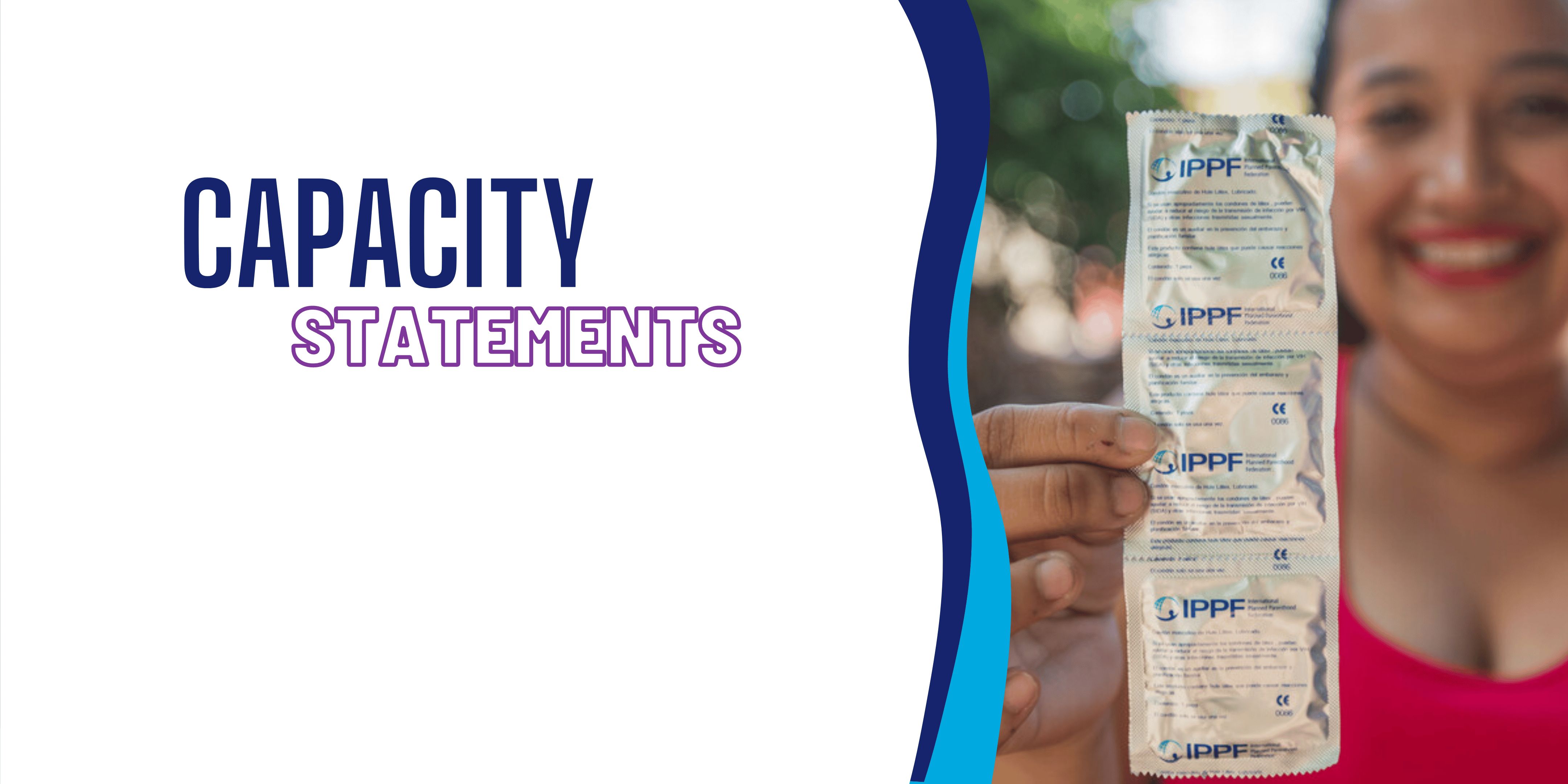
Capacity Statement - Colombia Profamilia

21 February 2023
1 year anniversary of the historic decision to decriminalize abortion in Colombia
1 year anniversary of the historic decision to decriminalize abortion in Colombia February 21, 2023 Profamilia – an IPPF Member Association and a leading organization in the defence and guarantee of Sexual and Reproductive Rights in Colombia - celebrates the first year of the Constitutional Court decision that allowed the decriminalization of abortion in Colombia up to 24 weeks of gestation. This represents a historic step for the guarantee of the rights of women and pregnant people in the country and Latin America, as well as a transcendental advance towards the recognition of their autonomy and full citizenship. Thanks to the ruling, those who are faced with an unwanted pregnancy and decide to have an abortion will not be prosecuted or criminalized for accessing what is now considered a health service and a matter of social justice. Similarly, the organization recognizes the issuance of Resolution 051 of 2023, with which the Ministry of Health regulates comprehensive care to provide abortion services throughout Colombia. This resolution recognizes that both women and pregnant people (transgender men, trans masculinities, non-binary people, among others) can access the service without restrictions and reiterates that abortion is an essential and urgent health service that must be guaranteed and not suspended. Since its enactment, Profamilia has guaranteed the implementation of Ruling C-055 of 2022 in its network of more than 53 clinics specialized in sexual and reproductive health nationwide. In this sense, the Organization shares with public opinion an analysis of what has been evidenced in the first year of the Sentence, as well as recommendations to move towards a society that respects and guarantees the application of the current jurisprudence in favour of the rights and reproductive autonomy of women and pregnant people in the country. The Positive side: Decriminalization increases access and engagement · Women, trans men and non-binary people who decide to terminate their pregnancies do so early. During this first year, 97.2% of the abortions performed through Profamilia were performed before the 16th week of gestation and of these, 86% before the 12th week and only 1.1% of the procedures were performed after 24 weeks, under one of the grounds of Ruling C-355 of 2006. · After Ruling C-055, access to safe abortion has improved. The Organization recorded a 65.9% increase in procedures. This information coincides with evidence from other countries (Uruguay, France, Portugal, Spain, Mexico City, Mexico) in which, after the legalization of voluntary interruption of pregnancy, there is no long-term increase in procedures, but rather an initial increase that then stabilizes and even decreases. · Profamilia has strengthened its MIA service, which accompanies and performs self-managed abortions up to 12 weeks of gestation through telemedicine. This service has reached women who wish to terminate their pregnancies in hard-to-reach municipalities such as: Leticia, in Amazonas, Bahía Solano, in Chocó, San Vicente del Caguán, in Caquetá, Dibulla, in La Guajira, among others. · Different authorities have fulfilled their obligations and reiterated their commitment to abortion rights. In August 2022, the National Government, through the Ministry of Foreign Affairs, communicated that Colombia officially withdrew from the Geneva Consensus Declaration - recognized for seeking to undermine reproductive autonomy and family diversity - and reiterated that the country recognizes, respects and protects the sexual and reproductive rights of women and girls and that, in accordance with the Political Constitution and the jurisprudence of the Constitutional Court, the right to legal and safe abortion is an integral and indivisible part of sexual and reproductive rights and health. · Resolution 051 of 2023 of the Ministry of Health guarantees the service for migrant women in Colombia and recognizes this right as an essential and urgent service that can never be suspended. It also eliminates co-payments and moderating fees in EPS and medical centers. It reaffirms that minors under 14 years of age may decide autonomously about an abortion, without their parents' permission and even when their decision is contrary to their parents'. The resolution urges to modernize the protocols as an advance for the welfare of women and pregnant people. · On February 2, 2023, the Council of Bogota approved Agreement 023, which aims to guarantee the right to abortion without barriers and promote knowledge and access to information on rights and prevention of early motherhood and fatherhood, which not only impacts the right to health, but also strengthens the sector and becomes a benchmark for other cities in the country in the commitment they must make to ensure access to abortion as a health service. · The National Development Plan for the period 2022-2026 included the guarantee of the right to abortion (Voluntary Interruption of Pregnancy) in the framework of the formulation and implementation of the National Policy on Sexuality, Sexual and Reproductive Rights that must be updated for the next 10 years, with this it is possible to ensure resources to promote the materialization of all measures and actions to ensure the guarantee of the right to abortion in Colombia. Still concerning: Barriers and violence persist · Despite Ruling C-055 of 2022, Profamilia has received users, with less than 24 weeks of gestation, who report having encountered barriers in health professionals who have limited the right and service of abortion. · On the other hand, Profamilia's statistics on the provision of IVE (Voluntary Interruption of Pregnancy) services in its network of clinics throughout the country reveal a worrying increase in sexual violence against minors under 14 years of age, with an increase from 47.3% in 2021 to 2022. This data coincides, unfortunately, with the report of the National Institute of Legal Medicine and Forensic Sciences which indicates that there was a 23% increase by 2022 of sexual crimes against minors, compared to previous year. · The legalization of abortion in Colombia has shown limitations in the quality of services, it is essential to eliminate all forms of discrimination and violence, training and sensitization of health personnel, the elimination of curettage as the main technique and the definitive closure of sites where unsafe procedures are practiced. What are the challenges? · It is necessary to fully comply with the orders of Ruling C-055 of 2022. That is why it is essential to support the approval of legislative and public policy initiatives that seek the implementation and strengthening of Comprehensive Sexuality Education in all educational institutions in the country, in order to prevent gender-based violence, promote the safe and responsible exercise of sexual and reproductive autonomy, knowledge and empowerment in rights, effective and timely access to contraceptive methods, as well as the search for a society with gender equity. · With the management of abortion as a public health issue, the country has the possibility of ending the preventable death of 70 women who lose their lives each year due to unsafe abortions, as well as reducing and avoiding 132,000 complications derived from this type of procedure. The legalization of abortion represents the opportunity to place the protection of the health and lives of girls and women at the center as the main objective of all public health policy. · The elimination of barriers to access to safe abortion services should be a priority for local health authorities, who are responsible for the inspection, surveillance and control of the health system in their jurisdictions. It is necessary to implement intersectoral mechanisms for follow-up and monitoring of barriers and technical accompaniment of health care providers to ensure an orderly and systematized implementation of the jurisprudence of the Constitutional Court and the regulatory norms that have been issued. · Territorial entities, at all levels, must take the initiative and leadership to make sexual and reproductive rights a reality in their jurisdictions. The example of the Bogotá Council and its agreement on the elimination of barriers to safe abortion is an example of how local measures can be adopted to facilitate the implementation of constitutional and regulatory mandates on abortion with actions. "After one year it is possible to see the progress, the country has made in terms of reproductive autonomy and rights for women and pregnant people. However, we must move from text to action, ensuring that Ruling 055 of 2022 is implemented. Profamilia's commitment will always be to provide comprehensive, humanized and safe services that allow free and informed decision making, and we reiterate this today,” said Marta Royo, Executive Director of Profamilia. “Colombia has set a standard for the region, women and pregnant people deserves to choose the best decision for them and their families. In IPPF we are committed to grow the green wave to ensure that all the countries have equal rights for all, especially in Central America and the Caribbean“ said Eugenia López Uribe, Regional Director of IPPF for the Americas and The Caribbean.

20 February 2023
On this World Day Of Social Justice we call for the protection of ALL activists
On this World Day Of Social Justice, we demand that states be proactive in Overcoming Barriers and Unleashing Opportunities for Social Justice. In 2022 activists won a major victory with the decriminalization of abortion in Colombia, reminding us that despite the obstacles in much of the region there is hope as the green wave spreads thanks to grassroots activism everywhere. In The Caribbean, physical and sexual violence towards trans people often goes unreported as there are no legal mechanisms to acknowledge a change in gender markers - which in itself is a form of violence. And even with arguably some of the largest activist populations both Brazil and Mexico remained the most violent places for Trans people to live in 2022. The United States is the third most dangerous, a statistic which may well increase given the record number of 300+ anti-LGBTQ+ legislation which has been introduced in the first two months of 2023. Despite all of these challenges, LGBTQI+ communities across the region continue to be at the forefront of movements and activism across the region. Local Caribbean activists saw their hard work rewarded in the repeal of colonial-era laws banning same-sex intimacy in 3 countries - Saint Kitts and Nevis, Antigua and Barbuda, and Barbados in 2022. These activists must be protected in order to continue their fight for rights and justice. There are solutions that include all of us, and all eyes are on the governments of our region to provide protection from discrimination and violence.

15 March 2022
IPPF Office in Bogota
We are overjoyed to announce the opening of the first of two locations of the International Planned Parenthood Federation - Americas and the Caribbean Regional Office (ACRO), in Bogota, Colombia. IPPF Director-General Dr. Alvaro Bermejo, IPPF ACRO's Regional Director Eugenia López Uribe, Deputy Regional Director Dona Da Costa Martinez, and IPPF Director of External Relations Mina Barling were joined by team members from the ACRO and London Offices to reinforce the commitment to the fight for rights and access to sexual and reproductive services in the region. This is an especially exciting time as Colombia stands as the latest champion to step forward to protect the bodily autonomy of everyone with the possibility of gestation, with a recent Constitutional Court victory legalizing access to abortion until 24 weeks. The new IPPF Americas and the Caribbean Regional Office serves Member Associations and Collaborative Partners in over 24 countries across the region, and which are growing in their movement building and service delivery capabilities, including comprehensive sex education, provision of contraceptive, safe abortion, and maternal care and responding to humanitarian crisis. IPPF pride ourselves on being local through our members and global through our network. At the heart of our mission is the provision of – and advocacy in support of – integrated healthcare to anyone who needs it regardless of race, gender, sex, income, and crucially no matter how remote. Volunteerism is central to our healthcare delivery. It underpins the vital work of our members and their teams, whether through community outreach and distribution of contraceptive care or the regional Youth Action Movements championing change.

14 March 2022
IPPF ACRO Humanitarian Training
The IPPF Americas and Caribbean Team (ACRO), together with representatives of Member Associations from Colombia, Trinidad and Tobago, Peru, and Ecuador met in Bogota in March 2022 for a training on implementation of the Minimum Initial Service Package on Sexual and Reproductive Health in humanitarian settings and on addressing gender-based violence led by the IPPF Humanitarian Team. Nearly 40 participants had the opportunity to update their knowledge and learn about new approaches to implementing humanitarian responses in Sexual and Reproductive Health, as well as share their experiences with the implementation of humanitarian responses in the diverse regional context of the Americas and the Caribbean, with particular emphasis on the Venezuelan migration crisis. During the training week, special relevance was given to the issue of coordinating efforts in humanitarian response with other allied actors as well as among the different IPPF Member Associations in the region because the Venezuelan migration crisis is a regional phenomenon. People from Venezuela, especially women, adolescents, and girls, are forced to leave their country due to the precarious economic situation, political instability, insecurity, lack of basic health care, and in other cases due to threats to their lives. They seek refuge in other countries in the region, with Colombia and Peru being the main destinations. Migrants, who travel through entire countries to reach their final destination, face enormous difficulties and barriers in accessing health services in general and sexual and reproductive health services in particular, as well as discrimination and stigma. That through the humanitarian response they access programs and services provided by IPPF Member Associations, including STI and HIV diagnosis and treatment services, family planning, safe abortion care, and survivors of gender-based violence. IPPF Global and ACRO humanitarian team visit to key health care points for migrants from Venezuela. The humanitarian team had the opportunity to visit the points where services are being provided as part of the humanitarian response to Venezuelan migration in the cities of Cúcuta and Santander, which allowed them to learn more about the ongoing response in Colombia, a country that as of January 2021 has received more than 1,700,000 migrants from the neighboring country, according to data from Migration Colombia. IPPF's Humanitarian Program contributes to the consolidation of an innovative model for sexual and reproductive health and rights in crisis situations, connecting key elements of humanitarian action with long-term development. We are one of the world's largest providers of sexual and reproductive health services in emergencies. Sexual and reproductive health and rights in crisis The need for women's reproductive health care is not suspended in crises. A quarter of those affected by crises worldwide are women and girls between the ages of 15 and 49. One in five women is likely to be pregnant and one and five of all births will experience complications. In crisis settings, there is also an increased risk of child, early and forced marriages and unions, sexual violence, unsafe abortions, and unassisted childbirth. Transmission rates of STIs, including HIV, also increase in emergencies. During crises, we work closely with our clinics on the ground to provide life-saving care to people in need. Our mobile health clinics bring comprehensive services to where they are needed by people affected by the crisis.

22 February 2022
History is made as Colombia decriminalizes abortion!
In a groundbreaking decision on the 21st of Feburay 2022, Colombia's Constitutional Court decriminalized abortion during the first 24 weeks of pregnancy. IPPF Americas and The Caribbean (ACRO) stands with Member Association Profamilia as we celebrate this historic decision and recognize the fight of the feminist movement in Colombia for this achievement! In a statement to the Guardian Newspaper Eugenia Lopez Uribe, Regional Director for IPPF ACRO reminded us “While today we are celebrating this historic decision, the Green Wave is strong and growing, and the fight for reproductive rights and justice will not end until every person can access high-quality sexual and reproductive healthcare when and where they need it. From now on a combined system for accessing abortion is considered: 1)Free and legal until 24 weeks of gestation, after this time: 2) the 3 causals (C-355/06) and are as follows: When the pregnancy represents a risk to the physical or mental health of the woman or person with the possibility of gestation. When it is product of sexual violence. And for fetal malformations incompatible with life.
03 May 2021
Appointment of IPPF Americas and the Caribbean Directors
IPPF is pleased to announce the appointment of Eugenia Lopez Uribe as Regional Director and Dona Da Costa Martinez as Deputy Regional Director of the Americas and Caribbean. They will be based in the Americas and the Caribbean Regional office (ACRO), based in Bogota, Colombia and Port of Spain, Trinidad and Tobago, respectively. IPPF would like to thank partner organizations for their continuous support during the transition phase, as well as to the IPPF transition team led by Anamaria Bejar who will return to her position as IPPF Global Director of Advocacy. Eugenia López Uribe – IPPF ACRO Regional Director Eugenia is an experienced advocate for gender equality and sexual and reproductive rights, promoting innovation in the delivery of health services from a human rights perspective. She began her professional career as a volunteer with the Gente Joven (Young people) Programme of MEXFAM, IPPF's Mexican member association. She has worked with rural and indigenous people, adolescents, youth, LGBTQI+ populations, sex workers and women with HIV in Latin America and the Caribbean. For more than a decade she was the executive director of Balance, a sexual and reproductive rights NGO working on regional advocacy in favour of sexual rights. Internationally, Eugenia has engaged on the follow-up of the commitments of International Conference of Population and Development (ICPD), the Beijing Conference on Women’s Rights, the Convention on the Elimination of All Forms of Discrimination against Women - CEDAW and UN General Assembly on AIDS. She co-founded the Abortion Fund for Social Justice: MARIA, the first initiative of its kind in Latin America. Her experience includes ten years as part of the management team of the Integrated Model of Health Care for Rural Adolescents of the Mexican Social Security Institute - IMMS Oportunidades. Eugenia will be based in Bogotá - Colombia. Dona Da Costa Martinez – IPPF ACRO Deputy Regional Director Dona began her work in sexual and reproductive health, thirty-five years ago, when she joined the Family Planning Association of Trinidad and Tobago – FPATT in 1985. In her formative years in the Association, she was responsible for research, planning and evaluation and the development of programmes to ensure the achievement of the Association’s mission. From 1990 she served as the Deputy Executive Director of the Association before taking on the mantle of Executive Director in 1999. Under her stewardship, the Association expanded its work in many other areas with a focus on integrating sexual rights in all of its programmes. This included expansion of its advocacy work in abortion and LGBTQI rights, comprehensive sexuality education, gender-based violence, HIV prevention and ensuring universal access to sexual and reproductive health services to most at risk populations including sex workers and adolescents. She serves as Co-Chair of the Caribbean Vulnerable Communities Coalition (CVC), is the Chairperson of the Trinidad and Tobago Non-Communicable Diseases Alliance and serves on several other committees at the national, regional and international levels. Dona is the holder of an Executive Master’s in Business Administration from the Institute of Business, University of the West Indies, Trinidad and Tobago. Dona will be based in Port of Spain. Under new leadership, IPPF ACRO will continue to provide support and strengthen our Member Associations in the Americas and the Caribbean to ensure they can deliver quality sexual and reproductive healthcare to those in need - no matter what.
01 April 2024
March News Round-Up
IPPF ACRO participates in the C20 Conception Meeting in Brazil. Kamilah Morain, Director of Member Association Support and Development at ACRO, participated in the inaugural meeting of the C20 Engagement Group in Recife, Brazil. This group plans and proposes policies for the upcoming G20 forum, which will take place in November 2024, focusing on issues such as health and education. As the co-facilitator of the Women's Rights and Gender Equality working group, she will, on behalf of IPPF ACRO, seek to ensure that the voices of women and girls are heard by the G20 leaders. This is crucial because the G20 represents a large portion of the global economy and trade. Profamilia ready to host the Seventh International Conference on Family Planning in November 2025. For the first time in history, the International Conference on Family Planning (ICFP) will be held in Latin America, and Profamilia Colombia will be a co-host! Alongside the William H. Gates Sr. Institute for Reproductive Health and Population and the Government of Colombia and the Valle del Lili Foundation, Profamilia will welcome thousands of family planning professionals from November 3rd to 6th, 2025, in Colombia. The ICFP serves as a gathering point for governments, institutions, researchers, activists, and professionals seeking to promote collaboration and innovation in sexual and reproductive health. On this occasion, Colombia has been chosen as the venue due to the government's commitment and the efforts of social movements that have resulted in significant advances in access to sexual and reproductive health for Colombian people. See you there! Gestos succeeds in canceling the HIV and other STI testing requirement in the city of Lagoa do Carro, Brazil. Thanks to a complaint from Gestos' legal team, and in collaboration with Caop Cidadania and the Public Ministry of Carpina, the municipal government of Lagoa do Carro canceled the requirement to undergo HIV, Syphilis, and Hepatitis B and C testing in its contests. This significant victory for human rights and the advancement of sexual and reproductive health is a reminder that demanding STI test results is a discriminatory practice that violates human rights. Furthermore, in Brazil, the right to confidentiality is guaranteed by law. Congratulations to the Gestos team for their hard work in guaranteeing the rights of people living with HIV! Kamala Harris visits a Planned Parenthood clinic and becomes the first Vice President of the United States to visit an abortion clinic. The sixth stop on Vice President Kamala Harris's "Fighting for Reproductive Freedom" Tour was a Planned Parenthood abortion clinic. It has been a great opportunity for the Vice President to see the great work that Planned Parenthood does every day to provide sexual and reproductive health care, including safe abortion. In the months leading up to the presidential elections, she has positioned herself as an advocate for access to abortion in a complicated context following the Supreme Court's recent decisions on this issue. "It is right and just that people have access to the health care they need," Kamala Harris said at a press conference. If you want to receive SRHR news directly from the ground to your inbox, subscribe to our newsletter "Rising the Tide". Subscribe
21 February 2024
Two years of a historic decision
Two years ago, Colombia took a historic step on a path that has been trodden for decades by thousands of women and whose goal has always been equity, guaranteed rights and recognition of their full citizenship. Two years ago, abortion permeated our society with the force of solid arguments that demanded its guarantee as a matter of human rights, public health and social justice. Two years ago, a sentence by Annie Ernaux, Nobel Prize in Literature (2022) echoed in my head because of the power and significance of the coincidence that reminded us that: "the impossibility of imagining that one day women could decide to have an abortion freely" had ended in Colombia with Ruling 055 of 2022. It only took a few months to prove that the Constitutional Court was right in its decision, that the decriminalisation of abortion was the way forward, and that the weighting of women's rights brings us ever closer to that society with true gender equality for which so many of us are working. You got it right, Court! At the time, one of the main arguments used by opponents of decriminalising abortion in the country was that the 24-week time limit was too long, which would mean that women and pregnant women would wait until they reached the maximum permitted limit to have an abortion. The truth is that no woman, of her own free will and intention, would seek to continue her pregnancy in order to terminate it at advanced gestational age. On the contrary, the balance of the first two years indicates that 9 out of 10 abortions performed at Profamilia were performed before the 12th week of gestation, that is, 92% of the total number of voluntary terminations of pregnancy were performed in the first trimester and by means of medication. It was a good decision, Court! The same balance sheet shows an 18.7% increase in the number of abortions in the last two years, and not because women are having more abortions for the sake of it. The increase, as well as being expected, is positive because it represents the registration in the system of those who without decriminalisation would have resorted to unsafe, clandestine procedures that would put their lives at risk, but today, at least under the law, can do so legally, safely and with the opportunity to do so.
24 January 2024
Revolutionizing CSE: Latin American and Caribbean Youth Leading the Charge!
Revolutionizing CSE: Latin American and Caribbean Youth Leading the Charge!
25 October 2023
Capacity Statement - Colombia Profamilia
21 February 2023
1 year anniversary of the historic decision to decriminalize abortion in Colombia
1 year anniversary of the historic decision to decriminalize abortion in Colombia February 21, 2023 Profamilia – an IPPF Member Association and a leading organization in the defence and guarantee of Sexual and Reproductive Rights in Colombia - celebrates the first year of the Constitutional Court decision that allowed the decriminalization of abortion in Colombia up to 24 weeks of gestation. This represents a historic step for the guarantee of the rights of women and pregnant people in the country and Latin America, as well as a transcendental advance towards the recognition of their autonomy and full citizenship. Thanks to the ruling, those who are faced with an unwanted pregnancy and decide to have an abortion will not be prosecuted or criminalized for accessing what is now considered a health service and a matter of social justice. Similarly, the organization recognizes the issuance of Resolution 051 of 2023, with which the Ministry of Health regulates comprehensive care to provide abortion services throughout Colombia. This resolution recognizes that both women and pregnant people (transgender men, trans masculinities, non-binary people, among others) can access the service without restrictions and reiterates that abortion is an essential and urgent health service that must be guaranteed and not suspended. Since its enactment, Profamilia has guaranteed the implementation of Ruling C-055 of 2022 in its network of more than 53 clinics specialized in sexual and reproductive health nationwide. In this sense, the Organization shares with public opinion an analysis of what has been evidenced in the first year of the Sentence, as well as recommendations to move towards a society that respects and guarantees the application of the current jurisprudence in favour of the rights and reproductive autonomy of women and pregnant people in the country. The Positive side: Decriminalization increases access and engagement · Women, trans men and non-binary people who decide to terminate their pregnancies do so early. During this first year, 97.2% of the abortions performed through Profamilia were performed before the 16th week of gestation and of these, 86% before the 12th week and only 1.1% of the procedures were performed after 24 weeks, under one of the grounds of Ruling C-355 of 2006. · After Ruling C-055, access to safe abortion has improved. The Organization recorded a 65.9% increase in procedures. This information coincides with evidence from other countries (Uruguay, France, Portugal, Spain, Mexico City, Mexico) in which, after the legalization of voluntary interruption of pregnancy, there is no long-term increase in procedures, but rather an initial increase that then stabilizes and even decreases. · Profamilia has strengthened its MIA service, which accompanies and performs self-managed abortions up to 12 weeks of gestation through telemedicine. This service has reached women who wish to terminate their pregnancies in hard-to-reach municipalities such as: Leticia, in Amazonas, Bahía Solano, in Chocó, San Vicente del Caguán, in Caquetá, Dibulla, in La Guajira, among others. · Different authorities have fulfilled their obligations and reiterated their commitment to abortion rights. In August 2022, the National Government, through the Ministry of Foreign Affairs, communicated that Colombia officially withdrew from the Geneva Consensus Declaration - recognized for seeking to undermine reproductive autonomy and family diversity - and reiterated that the country recognizes, respects and protects the sexual and reproductive rights of women and girls and that, in accordance with the Political Constitution and the jurisprudence of the Constitutional Court, the right to legal and safe abortion is an integral and indivisible part of sexual and reproductive rights and health. · Resolution 051 of 2023 of the Ministry of Health guarantees the service for migrant women in Colombia and recognizes this right as an essential and urgent service that can never be suspended. It also eliminates co-payments and moderating fees in EPS and medical centers. It reaffirms that minors under 14 years of age may decide autonomously about an abortion, without their parents' permission and even when their decision is contrary to their parents'. The resolution urges to modernize the protocols as an advance for the welfare of women and pregnant people. · On February 2, 2023, the Council of Bogota approved Agreement 023, which aims to guarantee the right to abortion without barriers and promote knowledge and access to information on rights and prevention of early motherhood and fatherhood, which not only impacts the right to health, but also strengthens the sector and becomes a benchmark for other cities in the country in the commitment they must make to ensure access to abortion as a health service. · The National Development Plan for the period 2022-2026 included the guarantee of the right to abortion (Voluntary Interruption of Pregnancy) in the framework of the formulation and implementation of the National Policy on Sexuality, Sexual and Reproductive Rights that must be updated for the next 10 years, with this it is possible to ensure resources to promote the materialization of all measures and actions to ensure the guarantee of the right to abortion in Colombia. Still concerning: Barriers and violence persist · Despite Ruling C-055 of 2022, Profamilia has received users, with less than 24 weeks of gestation, who report having encountered barriers in health professionals who have limited the right and service of abortion. · On the other hand, Profamilia's statistics on the provision of IVE (Voluntary Interruption of Pregnancy) services in its network of clinics throughout the country reveal a worrying increase in sexual violence against minors under 14 years of age, with an increase from 47.3% in 2021 to 2022. This data coincides, unfortunately, with the report of the National Institute of Legal Medicine and Forensic Sciences which indicates that there was a 23% increase by 2022 of sexual crimes against minors, compared to previous year. · The legalization of abortion in Colombia has shown limitations in the quality of services, it is essential to eliminate all forms of discrimination and violence, training and sensitization of health personnel, the elimination of curettage as the main technique and the definitive closure of sites where unsafe procedures are practiced. What are the challenges? · It is necessary to fully comply with the orders of Ruling C-055 of 2022. That is why it is essential to support the approval of legislative and public policy initiatives that seek the implementation and strengthening of Comprehensive Sexuality Education in all educational institutions in the country, in order to prevent gender-based violence, promote the safe and responsible exercise of sexual and reproductive autonomy, knowledge and empowerment in rights, effective and timely access to contraceptive methods, as well as the search for a society with gender equity. · With the management of abortion as a public health issue, the country has the possibility of ending the preventable death of 70 women who lose their lives each year due to unsafe abortions, as well as reducing and avoiding 132,000 complications derived from this type of procedure. The legalization of abortion represents the opportunity to place the protection of the health and lives of girls and women at the center as the main objective of all public health policy. · The elimination of barriers to access to safe abortion services should be a priority for local health authorities, who are responsible for the inspection, surveillance and control of the health system in their jurisdictions. It is necessary to implement intersectoral mechanisms for follow-up and monitoring of barriers and technical accompaniment of health care providers to ensure an orderly and systematized implementation of the jurisprudence of the Constitutional Court and the regulatory norms that have been issued. · Territorial entities, at all levels, must take the initiative and leadership to make sexual and reproductive rights a reality in their jurisdictions. The example of the Bogotá Council and its agreement on the elimination of barriers to safe abortion is an example of how local measures can be adopted to facilitate the implementation of constitutional and regulatory mandates on abortion with actions. "After one year it is possible to see the progress, the country has made in terms of reproductive autonomy and rights for women and pregnant people. However, we must move from text to action, ensuring that Ruling 055 of 2022 is implemented. Profamilia's commitment will always be to provide comprehensive, humanized and safe services that allow free and informed decision making, and we reiterate this today,” said Marta Royo, Executive Director of Profamilia. “Colombia has set a standard for the region, women and pregnant people deserves to choose the best decision for them and their families. In IPPF we are committed to grow the green wave to ensure that all the countries have equal rights for all, especially in Central America and the Caribbean“ said Eugenia López Uribe, Regional Director of IPPF for the Americas and The Caribbean.
20 February 2023
On this World Day Of Social Justice we call for the protection of ALL activists
On this World Day Of Social Justice, we demand that states be proactive in Overcoming Barriers and Unleashing Opportunities for Social Justice. In 2022 activists won a major victory with the decriminalization of abortion in Colombia, reminding us that despite the obstacles in much of the region there is hope as the green wave spreads thanks to grassroots activism everywhere. In The Caribbean, physical and sexual violence towards trans people often goes unreported as there are no legal mechanisms to acknowledge a change in gender markers - which in itself is a form of violence. And even with arguably some of the largest activist populations both Brazil and Mexico remained the most violent places for Trans people to live in 2022. The United States is the third most dangerous, a statistic which may well increase given the record number of 300+ anti-LGBTQ+ legislation which has been introduced in the first two months of 2023. Despite all of these challenges, LGBTQI+ communities across the region continue to be at the forefront of movements and activism across the region. Local Caribbean activists saw their hard work rewarded in the repeal of colonial-era laws banning same-sex intimacy in 3 countries - Saint Kitts and Nevis, Antigua and Barbuda, and Barbados in 2022. These activists must be protected in order to continue their fight for rights and justice. There are solutions that include all of us, and all eyes are on the governments of our region to provide protection from discrimination and violence.
15 March 2022
IPPF Office in Bogota
We are overjoyed to announce the opening of the first of two locations of the International Planned Parenthood Federation - Americas and the Caribbean Regional Office (ACRO), in Bogota, Colombia. IPPF Director-General Dr. Alvaro Bermejo, IPPF ACRO's Regional Director Eugenia López Uribe, Deputy Regional Director Dona Da Costa Martinez, and IPPF Director of External Relations Mina Barling were joined by team members from the ACRO and London Offices to reinforce the commitment to the fight for rights and access to sexual and reproductive services in the region. This is an especially exciting time as Colombia stands as the latest champion to step forward to protect the bodily autonomy of everyone with the possibility of gestation, with a recent Constitutional Court victory legalizing access to abortion until 24 weeks. The new IPPF Americas and the Caribbean Regional Office serves Member Associations and Collaborative Partners in over 24 countries across the region, and which are growing in their movement building and service delivery capabilities, including comprehensive sex education, provision of contraceptive, safe abortion, and maternal care and responding to humanitarian crisis. IPPF pride ourselves on being local through our members and global through our network. At the heart of our mission is the provision of – and advocacy in support of – integrated healthcare to anyone who needs it regardless of race, gender, sex, income, and crucially no matter how remote. Volunteerism is central to our healthcare delivery. It underpins the vital work of our members and their teams, whether through community outreach and distribution of contraceptive care or the regional Youth Action Movements championing change.
14 March 2022
IPPF ACRO Humanitarian Training
The IPPF Americas and Caribbean Team (ACRO), together with representatives of Member Associations from Colombia, Trinidad and Tobago, Peru, and Ecuador met in Bogota in March 2022 for a training on implementation of the Minimum Initial Service Package on Sexual and Reproductive Health in humanitarian settings and on addressing gender-based violence led by the IPPF Humanitarian Team. Nearly 40 participants had the opportunity to update their knowledge and learn about new approaches to implementing humanitarian responses in Sexual and Reproductive Health, as well as share their experiences with the implementation of humanitarian responses in the diverse regional context of the Americas and the Caribbean, with particular emphasis on the Venezuelan migration crisis. During the training week, special relevance was given to the issue of coordinating efforts in humanitarian response with other allied actors as well as among the different IPPF Member Associations in the region because the Venezuelan migration crisis is a regional phenomenon. People from Venezuela, especially women, adolescents, and girls, are forced to leave their country due to the precarious economic situation, political instability, insecurity, lack of basic health care, and in other cases due to threats to their lives. They seek refuge in other countries in the region, with Colombia and Peru being the main destinations. Migrants, who travel through entire countries to reach their final destination, face enormous difficulties and barriers in accessing health services in general and sexual and reproductive health services in particular, as well as discrimination and stigma. That through the humanitarian response they access programs and services provided by IPPF Member Associations, including STI and HIV diagnosis and treatment services, family planning, safe abortion care, and survivors of gender-based violence. IPPF Global and ACRO humanitarian team visit to key health care points for migrants from Venezuela. The humanitarian team had the opportunity to visit the points where services are being provided as part of the humanitarian response to Venezuelan migration in the cities of Cúcuta and Santander, which allowed them to learn more about the ongoing response in Colombia, a country that as of January 2021 has received more than 1,700,000 migrants from the neighboring country, according to data from Migration Colombia. IPPF's Humanitarian Program contributes to the consolidation of an innovative model for sexual and reproductive health and rights in crisis situations, connecting key elements of humanitarian action with long-term development. We are one of the world's largest providers of sexual and reproductive health services in emergencies. Sexual and reproductive health and rights in crisis The need for women's reproductive health care is not suspended in crises. A quarter of those affected by crises worldwide are women and girls between the ages of 15 and 49. One in five women is likely to be pregnant and one and five of all births will experience complications. In crisis settings, there is also an increased risk of child, early and forced marriages and unions, sexual violence, unsafe abortions, and unassisted childbirth. Transmission rates of STIs, including HIV, also increase in emergencies. During crises, we work closely with our clinics on the ground to provide life-saving care to people in need. Our mobile health clinics bring comprehensive services to where they are needed by people affected by the crisis.
22 February 2022
History is made as Colombia decriminalizes abortion!
In a groundbreaking decision on the 21st of Feburay 2022, Colombia's Constitutional Court decriminalized abortion during the first 24 weeks of pregnancy. IPPF Americas and The Caribbean (ACRO) stands with Member Association Profamilia as we celebrate this historic decision and recognize the fight of the feminist movement in Colombia for this achievement! In a statement to the Guardian Newspaper Eugenia Lopez Uribe, Regional Director for IPPF ACRO reminded us “While today we are celebrating this historic decision, the Green Wave is strong and growing, and the fight for reproductive rights and justice will not end until every person can access high-quality sexual and reproductive healthcare when and where they need it. From now on a combined system for accessing abortion is considered: 1)Free and legal until 24 weeks of gestation, after this time: 2) the 3 causals (C-355/06) and are as follows: When the pregnancy represents a risk to the physical or mental health of the woman or person with the possibility of gestation. When it is product of sexual violence. And for fetal malformations incompatible with life.