



Latest press releases
A selection of stories from across the Federation

Media center
IPPF Statement on the Adoption of the “Compromiso de Sevilla”
IPPF Statement on the adoption of the “Compromiso de Sevilla”, outcome document of the Fourth International Conference on Financing for Development (FfD4).
For media enquiries
Most Popular This Week

Media center
|
IPPF Statement on the Adoption of the “Compromiso de Sevilla”
Para leer esta nota en español, haz click aquí.
Americas & the Caribbean

Media center
|
Breaking: IPPF Global Research Exposes Devastating Impact of the Trump Administration
8 April 2025 – A new global survey of partners
Trinidad and Tobago

Media center
|
We condemn Trinidad and Tobago’s Upholding Criminalization of Same-Sex Activity
The Trinidad and Tobago Court of Appeal’s decision to uphold the criminalization of consensual same-sex activity is an alarming assault on human rights. This ruli

Media center
|
Our Statement on Trump administration’s decision to withdraw financial support from WHO
January 21, 2025—The International Planned Parenthood Federation (IPPF) strongly condemns the Trump administration’s decision to withdraw financial support from the World Health Or
Americas & the Caribbean

Media center
|
IPPF ACRO Launches 16 Days of Action Campaign: What Kind Of Man Are You?
Haz click aquí para leer este comunicado en español.
Haiti

Media center
|
IPPF ACRO Urges G20 for Action on Haiti
Rio de Janeiro, November 2024 – The International Planned Parenthood Federation’s Americas and the Caribbean Reg
United States

Media center
|
The Fight for Reproductive Rights Continues
The Fight for Reproductive Rights Continues
Americas & the Caribbean

Media center
|
IPPF comes together in the Americas & the Caribbean
The International Planned Parenthood Federation in the Americas and the Caribbean (IPPF ACRO), made up of 30 organizations in 29 countries, met in Mexico City with a common goal:
media center
| 06 November 2024
The Fight for Reproductive Rights Continues
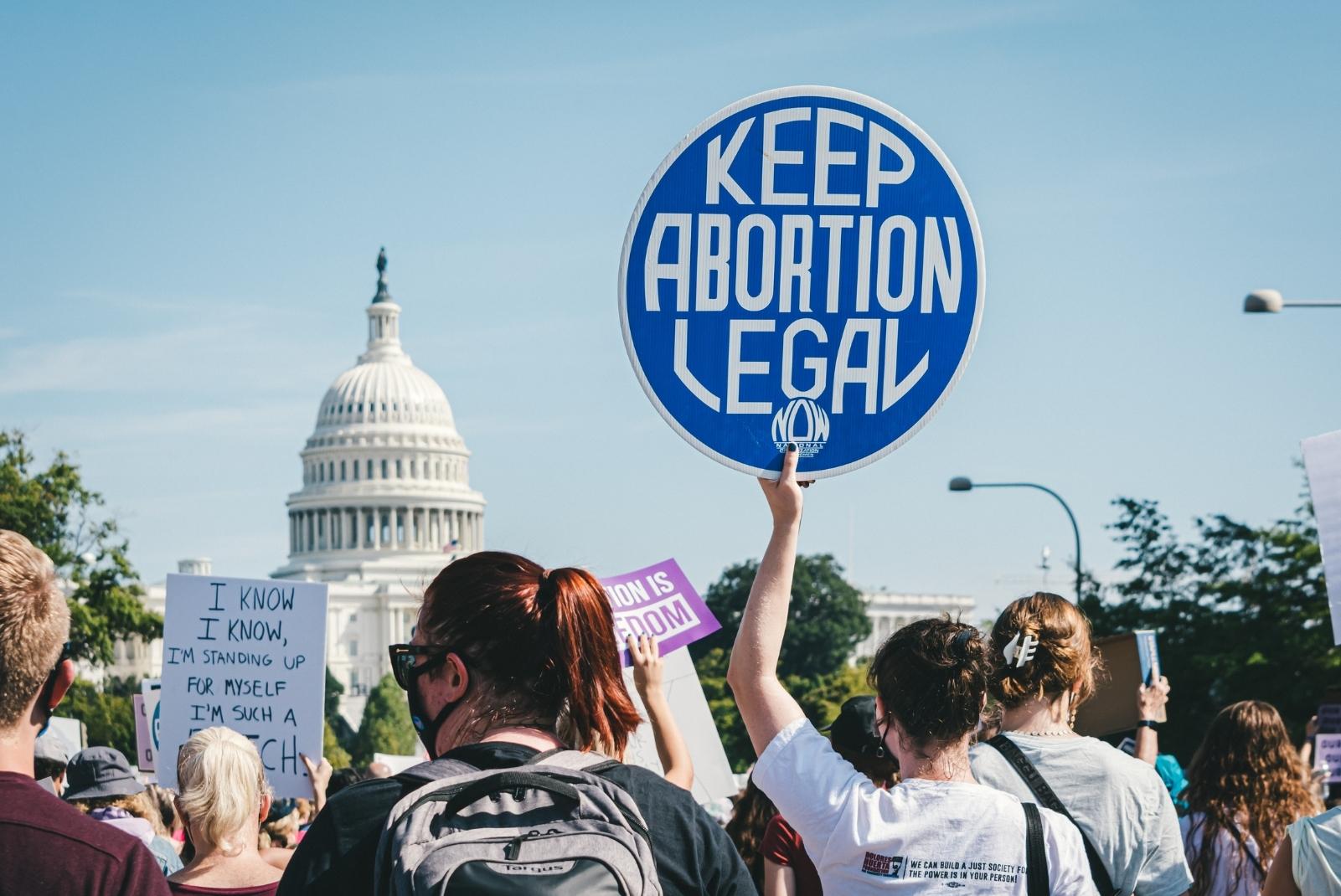
The Fight for Reproductive Rights Continues Today, we recognize the steadfast advocates for people’s rights, particularly reproductive rights, who showed up to vote in the U.S. elections, exercising their power to affirm bodily autonomy and defend freedom. In Arizona, Colorado, Maryland, Missouri, Montana, Nevada, and New York, voters upheld reproductive freedom. Their votes are a testament to an enduring commitment to safeguarding reproductive rights and personal agency over one's body, life, and future. We also commend the tremendous work of the Planned Parenthood Federation of America, our dedicated Member Association in the U.S., whose tireless campaigning has highlighted what was at stake in this pivotal election. Their unwavering advocacy has empowered countless individuals to protect and advance our shared values. We know this is a moment to be concerned. The outcome of this election deals a heavy blow to the Sexual and Reproductive Rights Movement. IPPF anticipates significant setbacks, including funding reductions and workforce cuts impacting SRHR defenders globally. This election result is devastating for the millions who will rely on sexual and reproductive health care over the coming years and beyond. But it is exactly because of this that we need to be stronger than ever: many more people will need us. Therefore, let’s assure the world that IPPF Member Associations and Collaborative Partners across the Americas and the Caribbean remain resolute in our mission to ensure comprehensive sexual and reproductive health and rights for all. Let there be no doubt: we will continue the fight for our right to make autonomous decisions about our reproductive lives, to live our sexuality freely, and to access inclusive health services that meet the diverse needs of our communities, whether in contraception, fertility, transgender care, HIV prevention and care, or beyond. And we will continue to strengthen our alliances with progressive social movements around the region and the globe. In this critical moment, we call on all governments, donors, and international agencies to step up in the face of the upcoming assaults on human rights that will come with the Trump administration, because activists, communities, and civil society organizations are on the frontlines but should not fight these battles alone. This is an election that particularly affects the Latin American and Caribbean region. We are part of the Green Wave, and we won’t give up. Therefore, it is time to intensify efforts and demand fully funded social movements, including sustained funding for our SRHR champions and their unwavering efforts to counter the ongoing attacks on rights in the field. Now more than ever, it is imperative to support those defending bodily autonomy and freedom, ensuring they have the resources and backing required to resist, persist, and advance the rights of all people. We will not be deterred. Our commitment to the millions of people we assist and support, communities, and allies stands firm. Together, we will continue to resist and build a world where everyone can live free from violence and fully exercise their right to shape their present and future. Image credit: BBC
media_center
| 06 November 2024
The Fight for Reproductive Rights Continues
The Fight for Reproductive Rights Continues Today, we recognize the steadfast advocates for people’s rights, particularly reproductive rights, who showed up to vote in the U.S. elections, exercising their power to affirm bodily autonomy and defend freedom. In Arizona, Colorado, Maryland, Missouri, Montana, Nevada, and New York, voters upheld reproductive freedom. Their votes are a testament to an enduring commitment to safeguarding reproductive rights and personal agency over one's body, life, and future. We also commend the tremendous work of the Planned Parenthood Federation of America, our dedicated Member Association in the U.S., whose tireless campaigning has highlighted what was at stake in this pivotal election. Their unwavering advocacy has empowered countless individuals to protect and advance our shared values. We know this is a moment to be concerned. The outcome of this election deals a heavy blow to the Sexual and Reproductive Rights Movement. IPPF anticipates significant setbacks, including funding reductions and workforce cuts impacting SRHR defenders globally. This election result is devastating for the millions who will rely on sexual and reproductive health care over the coming years and beyond. But it is exactly because of this that we need to be stronger than ever: many more people will need us. Therefore, let’s assure the world that IPPF Member Associations and Collaborative Partners across the Americas and the Caribbean remain resolute in our mission to ensure comprehensive sexual and reproductive health and rights for all. Let there be no doubt: we will continue the fight for our right to make autonomous decisions about our reproductive lives, to live our sexuality freely, and to access inclusive health services that meet the diverse needs of our communities, whether in contraception, fertility, transgender care, HIV prevention and care, or beyond. And we will continue to strengthen our alliances with progressive social movements around the region and the globe. In this critical moment, we call on all governments, donors, and international agencies to step up in the face of the upcoming assaults on human rights that will come with the Trump administration, because activists, communities, and civil society organizations are on the frontlines but should not fight these battles alone. This is an election that particularly affects the Latin American and Caribbean region. We are part of the Green Wave, and we won’t give up. Therefore, it is time to intensify efforts and demand fully funded social movements, including sustained funding for our SRHR champions and their unwavering efforts to counter the ongoing attacks on rights in the field. Now more than ever, it is imperative to support those defending bodily autonomy and freedom, ensuring they have the resources and backing required to resist, persist, and advance the rights of all people. We will not be deterred. Our commitment to the millions of people we assist and support, communities, and allies stands firm. Together, we will continue to resist and build a world where everyone can live free from violence and fully exercise their right to shape their present and future. Image credit: BBC

media center
| 11 September 2024
IPPF comes together in the Americas & the Caribbean
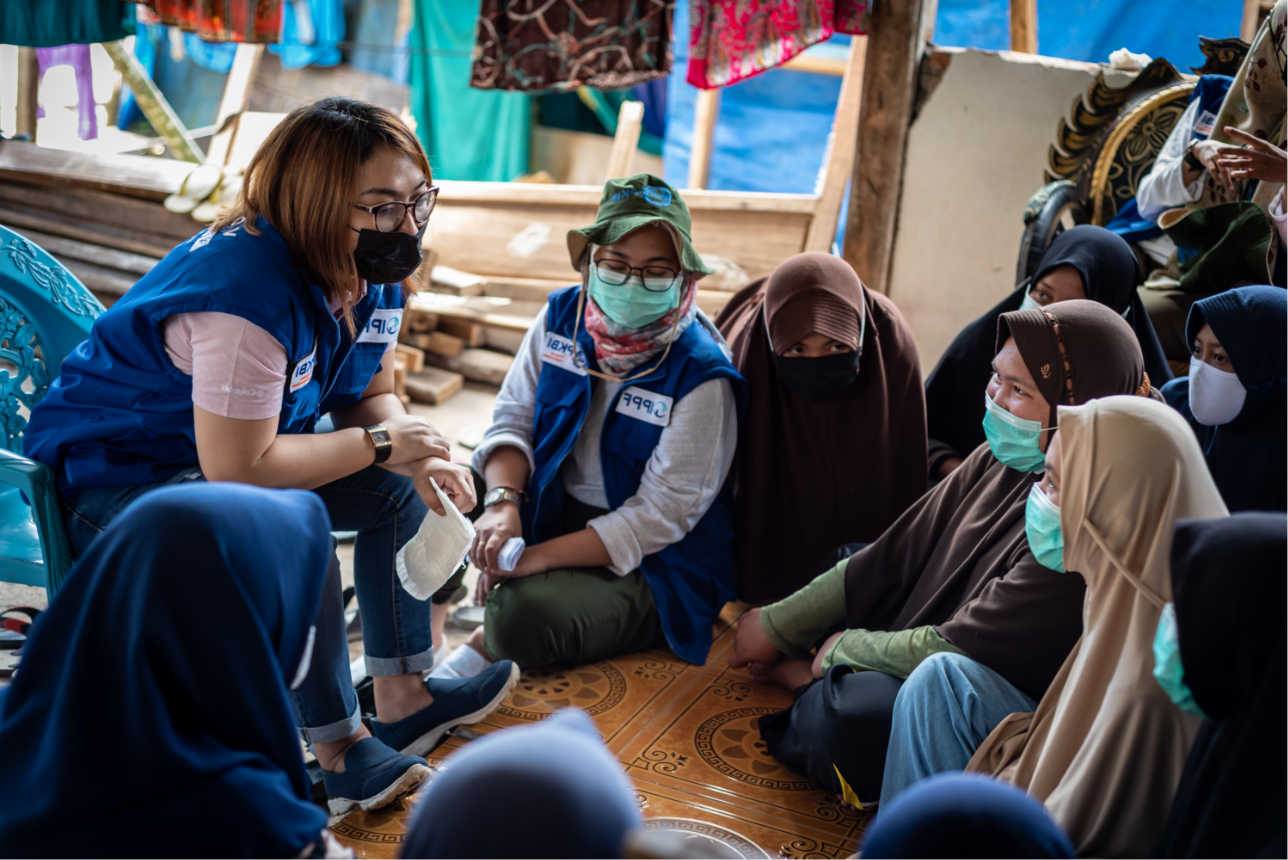
The International Planned Parenthood Federation in the Americas and the Caribbean (IPPF ACRO), made up of 30 organizations in 29 countries, met in Mexico City with a common goal: to co-create strategies to advance access to sexual and reproductive health services and advance laws and public policies that guarantee comprehensive wellbeing and lives free of discrimination and violence for all people. Together they are an impressive force in this sector. In 2023 alone, IPPF ACRO provided more than 17 million sexual and reproductive health services, including safe abortion procedures, fertility care and sexual and gender-based violence, and invested millions of dollars in the region. Globally, IPPF, a 72-year-old organisation, is active in 152 countries. In 70% of them, we are the leading provider of sexual and reproductive health services. As Teresa Alarcón, executive director of Colectivo Rebeldía, IPPF's Collaborative Partner in Bolivia, says: ‘In the face of the advance of hate speech and regression in public policies and laws, IPPF's work in Bolivia is not only a matter of the future, but also of the future of our country: ‘It is our agendas that are connected to life, dignity and happiness and it is our organisations and movements that work for lives free from violence, for the right to health, for autonomy, for a more just world, where all people can live healthy and fulfilled lives. ‘The organizations that come together in IPPF ACRO bring sexual and reproductive health to people directly every day, they are experts in their contexts not only in health, but in social and legal aspects,’ said Eugenia Lopez Uribe, director of IPPF's Americas and Caribbean office. ‘This week, we are meeting to bring what we have learned this year, to exchange common ground, both achievements and challenges, and to strategize on advancing access to safe abortion, the adoption of comprehensive sexuality education programmes, gender-sensitive mitigation of the climate crisis, and funding to advance this key agenda. In addition, ‘we will do so with populations hard hit by the absence of sexual and reproductive rights, such as youth, women living with HIV and transgender people.’ This is very important work considering the current situation: 18 million women in Latin America have an unmet need for modern contraception, even though, in terms of investment, it is more efficient to meet that need than the consequences of lack of access to it. Moreover, 1,500 hospitals specialising in maternal health and family planning are in coastal areas prone to natural hazards, which will further impede access to them in the face of the growing climate crisis. In addition, only 7% of the Sustainable Development Goals are on track, highlighting the lack of attention and investment that governments around the world and the region have put into ending inequalities and leaving no one behind. IPPF in the region works as a priority to advance access to safe abortion, the adoption of comprehensive sexuality education programmes, gender-sensitive mitigation of the climate crisis and funding to advance this key agenda. And to achieve this, they partner with key populations to connect lessons learned with the direct needs of groups such as youth, women living with HIV and transgender people. Members and Collaborative Partners of IPPF in the Americas and the Caribbean are located in Antigua & Barbuda, Argentina, Aruba, Barbados, Bolivia, Brazil, Canada, Chile, Colombia, Cuba, Curaçao, Dominica, Ecuador, Guadalupe, Guatemala, Grenada, Guyana, Haïti, Honduras, Jamaica, Mexico, Paraguay, Peru, St. Lucia, St Vincent & the Grenadines, Suriname, Trinidad & Tobago, the United States of America, and Venezuela.
media_center
| 11 September 2024
IPPF comes together in the Americas & the Caribbean
The International Planned Parenthood Federation in the Americas and the Caribbean (IPPF ACRO), made up of 30 organizations in 29 countries, met in Mexico City with a common goal: to co-create strategies to advance access to sexual and reproductive health services and advance laws and public policies that guarantee comprehensive wellbeing and lives free of discrimination and violence for all people. Together they are an impressive force in this sector. In 2023 alone, IPPF ACRO provided more than 17 million sexual and reproductive health services, including safe abortion procedures, fertility care and sexual and gender-based violence, and invested millions of dollars in the region. Globally, IPPF, a 72-year-old organisation, is active in 152 countries. In 70% of them, we are the leading provider of sexual and reproductive health services. As Teresa Alarcón, executive director of Colectivo Rebeldía, IPPF's Collaborative Partner in Bolivia, says: ‘In the face of the advance of hate speech and regression in public policies and laws, IPPF's work in Bolivia is not only a matter of the future, but also of the future of our country: ‘It is our agendas that are connected to life, dignity and happiness and it is our organisations and movements that work for lives free from violence, for the right to health, for autonomy, for a more just world, where all people can live healthy and fulfilled lives. ‘The organizations that come together in IPPF ACRO bring sexual and reproductive health to people directly every day, they are experts in their contexts not only in health, but in social and legal aspects,’ said Eugenia Lopez Uribe, director of IPPF's Americas and Caribbean office. ‘This week, we are meeting to bring what we have learned this year, to exchange common ground, both achievements and challenges, and to strategize on advancing access to safe abortion, the adoption of comprehensive sexuality education programmes, gender-sensitive mitigation of the climate crisis, and funding to advance this key agenda. In addition, ‘we will do so with populations hard hit by the absence of sexual and reproductive rights, such as youth, women living with HIV and transgender people.’ This is very important work considering the current situation: 18 million women in Latin America have an unmet need for modern contraception, even though, in terms of investment, it is more efficient to meet that need than the consequences of lack of access to it. Moreover, 1,500 hospitals specialising in maternal health and family planning are in coastal areas prone to natural hazards, which will further impede access to them in the face of the growing climate crisis. In addition, only 7% of the Sustainable Development Goals are on track, highlighting the lack of attention and investment that governments around the world and the region have put into ending inequalities and leaving no one behind. IPPF in the region works as a priority to advance access to safe abortion, the adoption of comprehensive sexuality education programmes, gender-sensitive mitigation of the climate crisis and funding to advance this key agenda. And to achieve this, they partner with key populations to connect lessons learned with the direct needs of groups such as youth, women living with HIV and transgender people. Members and Collaborative Partners of IPPF in the Americas and the Caribbean are located in Antigua & Barbuda, Argentina, Aruba, Barbados, Bolivia, Brazil, Canada, Chile, Colombia, Cuba, Curaçao, Dominica, Ecuador, Guadalupe, Guatemala, Grenada, Guyana, Haïti, Honduras, Jamaica, Mexico, Paraguay, Peru, St. Lucia, St Vincent & the Grenadines, Suriname, Trinidad & Tobago, the United States of America, and Venezuela.

media center
| 29 August 2024
IPPF ACRO on the serious rollback of abortion in Aguascalientes
Today, the Congress of Aguascalientes, a state in Mexico, has taken a serious step backward for sexual and reproductive rights by reducing the legal limit for abortion from 12 to 6 weeks of gestation. This decision directly violates the rights of women and people who seek abortions and contradicts the ruling of the Mexican Supreme Court of Justice, which mandates the repeal of laws criminalizing voluntary abortion in the State Penal Codes. We reaffirm IPPF ACRO's commitment to the sexual and reproductive rights of all people and will continue to advocate for the freedom to choose an abortion without time restrictions. With deep solidarity, we embrace the local organizations, collectives, and activists who have fought to guarantee access to safe abortion in Aguascalientes and across the country. We join their efforts: we will not allow a regression in rights that have already been recognized, and we will move forward together to ensure that cis women, trans men, non-binary people, and other dissidents are included in abortion legislation. Together, we will continue to build networks of rights, care, and resistance!
media_center
| 28 August 2024
IPPF ACRO on the serious rollback of abortion in Aguascalientes
Today, the Congress of Aguascalientes, a state in Mexico, has taken a serious step backward for sexual and reproductive rights by reducing the legal limit for abortion from 12 to 6 weeks of gestation. This decision directly violates the rights of women and people who seek abortions and contradicts the ruling of the Mexican Supreme Court of Justice, which mandates the repeal of laws criminalizing voluntary abortion in the State Penal Codes. We reaffirm IPPF ACRO's commitment to the sexual and reproductive rights of all people and will continue to advocate for the freedom to choose an abortion without time restrictions. With deep solidarity, we embrace the local organizations, collectives, and activists who have fought to guarantee access to safe abortion in Aguascalientes and across the country. We join their efforts: we will not allow a regression in rights that have already been recognized, and we will move forward together to ensure that cis women, trans men, non-binary people, and other dissidents are included in abortion legislation. Together, we will continue to build networks of rights, care, and resistance!

media center
| 31 July 2024
Venezuela: Only in democracy are rights guaranteed.
Haz click aquí para leer este boletín en español. IPPF expresses our concern about the situation in Venezuela and our total solidarity with its people, who on 28 July received the news from the National Electoral Council (CNE) that the current president, Nicolás Maduro, was elected for a third presidential term. There are serious allegations of a lack of transparency in the process and we join the international community in demanding the publication of the election results, because, as of today, July 31st, the CNE has not shown the results of the election to prove the victory of Nicolás Maduro. It is worrying that the state security forces have responded with violence and repression since the beginning of the mobilisations, which continue, with hundreds of people arrested and a growing number of deaths. In addition to the current emergency, inequality, gender inequality and lack of access to health services, including sexual and reproductive health, have been on the rise for the past 25 years. It is impossible to forget: in Venezuela, the number of femicides has doubled in the last 6 years; 28.7% of people of sexual and gender diversity have been victims of violence by state security forces; 91.5% of complaints of violence against women are shelved or dismissed; legislation on abortion is extremely restrictive and services are very limited; in addition, 7.7 million people have been forced to move because of the socio-political context. With extreme concern, IPPF in the Americas and the Caribbean condemns the Venezuelan government's repression and violence against citizen mobilisations. It is unacceptable that while exercising their right to protest and free expression, Venezuelans are victims of criminalization and physical and political violence. IPPF ACRO joins the Venezuelan society in their demands for respect of democracy because the will of the people through authentic elections is a right and must be guaranteed by the State. ‘The situation in Venezuela further exacerbates the escalation of authoritarianism and violence in our region,’ said Alessandra Nilo, Director of External Relations at IPPF ACRO. ‘Democracy is conducive to states that guarantee and advance rights, including sexual and reproductive rights which, we know, in times of high tension and crisis, are the first to be violated. At this difficult time, we demand that the Venezuelan State returns to the democratic path, strengthens its institutions and respects the rights and wishes of its people. It is essential to protect the dignity and hope of all people, especially girls and women in all their diversity.’ ‘IPPF ACRO and Member and Partner Associations in the region are attentive to the development of events, we remain committed to Venezuelan people and their integral wellbeing, and we will continue to provide sexual and reproductive health care and services in Venezuela and, given the projected intensification of the migration wave, also in surrounding countries such as Colombia, Peru and Ecuador.’ Header image credit: REUTERS/Leonardo Fernandez Viloria
media_center
| 31 July 2024
Venezuela: Only in democracy are rights guaranteed.
Haz click aquí para leer este boletín en español. IPPF expresses our concern about the situation in Venezuela and our total solidarity with its people, who on 28 July received the news from the National Electoral Council (CNE) that the current president, Nicolás Maduro, was elected for a third presidential term. There are serious allegations of a lack of transparency in the process and we join the international community in demanding the publication of the election results, because, as of today, July 31st, the CNE has not shown the results of the election to prove the victory of Nicolás Maduro. It is worrying that the state security forces have responded with violence and repression since the beginning of the mobilisations, which continue, with hundreds of people arrested and a growing number of deaths. In addition to the current emergency, inequality, gender inequality and lack of access to health services, including sexual and reproductive health, have been on the rise for the past 25 years. It is impossible to forget: in Venezuela, the number of femicides has doubled in the last 6 years; 28.7% of people of sexual and gender diversity have been victims of violence by state security forces; 91.5% of complaints of violence against women are shelved or dismissed; legislation on abortion is extremely restrictive and services are very limited; in addition, 7.7 million people have been forced to move because of the socio-political context. With extreme concern, IPPF in the Americas and the Caribbean condemns the Venezuelan government's repression and violence against citizen mobilisations. It is unacceptable that while exercising their right to protest and free expression, Venezuelans are victims of criminalization and physical and political violence. IPPF ACRO joins the Venezuelan society in their demands for respect of democracy because the will of the people through authentic elections is a right and must be guaranteed by the State. ‘The situation in Venezuela further exacerbates the escalation of authoritarianism and violence in our region,’ said Alessandra Nilo, Director of External Relations at IPPF ACRO. ‘Democracy is conducive to states that guarantee and advance rights, including sexual and reproductive rights which, we know, in times of high tension and crisis, are the first to be violated. At this difficult time, we demand that the Venezuelan State returns to the democratic path, strengthens its institutions and respects the rights and wishes of its people. It is essential to protect the dignity and hope of all people, especially girls and women in all their diversity.’ ‘IPPF ACRO and Member and Partner Associations in the region are attentive to the development of events, we remain committed to Venezuelan people and their integral wellbeing, and we will continue to provide sexual and reproductive health care and services in Venezuela and, given the projected intensification of the migration wave, also in surrounding countries such as Colombia, Peru and Ecuador.’ Header image credit: REUTERS/Leonardo Fernandez Viloria

media center
| 24 July 2024
IPPF ACRO and FPA celebrate historic decision for LGBTQI+ people in Aruba and Curaçao!
Haz click aquí para leer esta historia en español. On July 12th, the Dutch Supreme Court validated same sex marriage in Aruba, Curaçao, and St. Maarten, emphasizing that prohibiting same-sex marriage violates the constitutional ban on discrimination. The court’s decision upholds a ruling from September 2021, which had been challenged by both countries. IPPF ACRO and FPA urge the governments of Aruba and Curaçao to promptly comply with the Supreme Court's decision as it is a matter of fundamental rights. Ensuring adherence to this ruling is essential for the protection and equality of the LGBTQI+ community. Coming after Aruba’s parliament rejected the marriage equality bill almost a month ago, this ruling continues a trend in the region to legalize and protect LGBTQI+ populations. FPA and Famia Plania, IPPF Members in Aruba and Curaçao, has for decades advocated and supported efforts towards LGBTQI+ equality, with quality sexual and reproductive health services provision as well as community articulation. “This positive outcome is a major step towards visibility, rights and access to health, such as sexual and reproductive services for all LGBTQI+ people in the Dutch Caribbean. At FPA, we are deeply committed towards inclusion, and as we celebrate this ruling, we will continue using our voices to advocate for social change,” states Evelyn Yarzagaray, Executive Director of FPA, IPPF Member Association in Aruba.
media_center
| 24 July 2024
IPPF ACRO and FPA celebrate historic decision for LGBTQI+ people in Aruba and Curaçao!
Haz click aquí para leer esta historia en español. On July 12th, the Dutch Supreme Court validated same sex marriage in Aruba, Curaçao, and St. Maarten, emphasizing that prohibiting same-sex marriage violates the constitutional ban on discrimination. The court’s decision upholds a ruling from September 2021, which had been challenged by both countries. IPPF ACRO and FPA urge the governments of Aruba and Curaçao to promptly comply with the Supreme Court's decision as it is a matter of fundamental rights. Ensuring adherence to this ruling is essential for the protection and equality of the LGBTQI+ community. Coming after Aruba’s parliament rejected the marriage equality bill almost a month ago, this ruling continues a trend in the region to legalize and protect LGBTQI+ populations. FPA and Famia Plania, IPPF Members in Aruba and Curaçao, has for decades advocated and supported efforts towards LGBTQI+ equality, with quality sexual and reproductive health services provision as well as community articulation. “This positive outcome is a major step towards visibility, rights and access to health, such as sexual and reproductive services for all LGBTQI+ people in the Dutch Caribbean. At FPA, we are deeply committed towards inclusion, and as we celebrate this ruling, we will continue using our voices to advocate for social change,” states Evelyn Yarzagaray, Executive Director of FPA, IPPF Member Association in Aruba.

media center
| 17 May 2024
INPPARES and IPPF's position on Peru's Supreme Decree Nº 009-2024-SA
All LGBTQI+ people in Peru and in the Americas and the Caribbean have the right to lives free from violence! In recent months, IPPF ACRO Member Associations, Collaborating Partners and the IPPF ACRO Secretariat have witnessed how some governments in the Americas and the Caribbean, even some that have historically acted to protect and advance human rights, have become the main opponents of people's rights, freedom and self-determination. So, after writing about our concerns about the new Argentinean government, today, on the International Day Against LGBTIQ+-Phobia, we want to demonstrate our strong concern with the actions of the government of Peru, which undermine the fundamental rights of LGBTIQ+ people. The IPPF Americas and Caribbean Regional Office joins INPPARES, Member Association in Peru, in expressing its rejection of the Supreme Decree Nº 009-2024-SA issued last May 10th by the Peruvian Ministry of Health which, by updating the Essential Health Insurance Plan (PEAS) based on the 10th revision of the International Classification of Diseases (ICD-10), violates the human rights of LGBTIQ+ people. Some context: The PEAS contains the list of interventions that can be addressed by health insurers in Peru, so it is vitally important that it is kept up to date with the guidelines and standards set by the World Health Organisation (WHO). From time to time, the WHO revises its International Classification of Diseases (ICD) to update it based on recent scientific evidence and thus adequately guide global clinical practice. Recall that in 2019, the 11th revision of the ICD made history by removing trans identities and expressions from the chapter on ‘Mental and Behavioural Disorders’. However, last week, the government of Peru decided to use an outdated revision of the ICD, which pathologises sexual orientation and gender identity. This decision of the Peruvian government to use ICD-10 is very serious, as it violates binding codes and agreements at local, regional and international level. On the one hand, it violates the constitutional right to health established in articles 7 and 9 of the Political Constitution of Peru, which establishes the right to health on the basis of equality and non-discrimination. Furthermore, it disregards the information, guidelines and standards of the WHO, the United Nations specialised health agency, and the requests of the Office of the UN High Commissioner since 2015 to stop the pathologisation of LGBTIQ+ people, in particular trans and intersex people. It also goes against commitments adopted by Peru in numerous regional and international declarations, such as the Montevideo Consensus, whose implementation and follow-up was officially adopted in 2016 by Supreme Decree N° 051-2016-PCM. Today, it is necessary to reaffirm that LGBTIQ+ people have the right to live free from violence, to live their gender identity and sexual orientation freely, to access health and reproductive services where their identities are respected and their specific needs are met. It is the responsibility of governments to ensure that these rights are fulfilled.
media_center
| 17 May 2024
INPPARES and IPPF's position on Peru's Supreme Decree Nº 009-2024-SA
All LGBTQI+ people in Peru and in the Americas and the Caribbean have the right to lives free from violence! In recent months, IPPF ACRO Member Associations, Collaborating Partners and the IPPF ACRO Secretariat have witnessed how some governments in the Americas and the Caribbean, even some that have historically acted to protect and advance human rights, have become the main opponents of people's rights, freedom and self-determination. So, after writing about our concerns about the new Argentinean government, today, on the International Day Against LGBTIQ+-Phobia, we want to demonstrate our strong concern with the actions of the government of Peru, which undermine the fundamental rights of LGBTIQ+ people. The IPPF Americas and Caribbean Regional Office joins INPPARES, Member Association in Peru, in expressing its rejection of the Supreme Decree Nº 009-2024-SA issued last May 10th by the Peruvian Ministry of Health which, by updating the Essential Health Insurance Plan (PEAS) based on the 10th revision of the International Classification of Diseases (ICD-10), violates the human rights of LGBTIQ+ people. Some context: The PEAS contains the list of interventions that can be addressed by health insurers in Peru, so it is vitally important that it is kept up to date with the guidelines and standards set by the World Health Organisation (WHO). From time to time, the WHO revises its International Classification of Diseases (ICD) to update it based on recent scientific evidence and thus adequately guide global clinical practice. Recall that in 2019, the 11th revision of the ICD made history by removing trans identities and expressions from the chapter on ‘Mental and Behavioural Disorders’. However, last week, the government of Peru decided to use an outdated revision of the ICD, which pathologises sexual orientation and gender identity. This decision of the Peruvian government to use ICD-10 is very serious, as it violates binding codes and agreements at local, regional and international level. On the one hand, it violates the constitutional right to health established in articles 7 and 9 of the Political Constitution of Peru, which establishes the right to health on the basis of equality and non-discrimination. Furthermore, it disregards the information, guidelines and standards of the WHO, the United Nations specialised health agency, and the requests of the Office of the UN High Commissioner since 2015 to stop the pathologisation of LGBTIQ+ people, in particular trans and intersex people. It also goes against commitments adopted by Peru in numerous regional and international declarations, such as the Montevideo Consensus, whose implementation and follow-up was officially adopted in 2016 by Supreme Decree N° 051-2016-PCM. Today, it is necessary to reaffirm that LGBTIQ+ people have the right to live free from violence, to live their gender identity and sexual orientation freely, to access health and reproductive services where their identities are respected and their specific needs are met. It is the responsibility of governments to ensure that these rights are fulfilled.
media center
| 06 November 2024
The Fight for Reproductive Rights Continues
The Fight for Reproductive Rights Continues Today, we recognize the steadfast advocates for people’s rights, particularly reproductive rights, who showed up to vote in the U.S. elections, exercising their power to affirm bodily autonomy and defend freedom. In Arizona, Colorado, Maryland, Missouri, Montana, Nevada, and New York, voters upheld reproductive freedom. Their votes are a testament to an enduring commitment to safeguarding reproductive rights and personal agency over one's body, life, and future. We also commend the tremendous work of the Planned Parenthood Federation of America, our dedicated Member Association in the U.S., whose tireless campaigning has highlighted what was at stake in this pivotal election. Their unwavering advocacy has empowered countless individuals to protect and advance our shared values. We know this is a moment to be concerned. The outcome of this election deals a heavy blow to the Sexual and Reproductive Rights Movement. IPPF anticipates significant setbacks, including funding reductions and workforce cuts impacting SRHR defenders globally. This election result is devastating for the millions who will rely on sexual and reproductive health care over the coming years and beyond. But it is exactly because of this that we need to be stronger than ever: many more people will need us. Therefore, let’s assure the world that IPPF Member Associations and Collaborative Partners across the Americas and the Caribbean remain resolute in our mission to ensure comprehensive sexual and reproductive health and rights for all. Let there be no doubt: we will continue the fight for our right to make autonomous decisions about our reproductive lives, to live our sexuality freely, and to access inclusive health services that meet the diverse needs of our communities, whether in contraception, fertility, transgender care, HIV prevention and care, or beyond. And we will continue to strengthen our alliances with progressive social movements around the region and the globe. In this critical moment, we call on all governments, donors, and international agencies to step up in the face of the upcoming assaults on human rights that will come with the Trump administration, because activists, communities, and civil society organizations are on the frontlines but should not fight these battles alone. This is an election that particularly affects the Latin American and Caribbean region. We are part of the Green Wave, and we won’t give up. Therefore, it is time to intensify efforts and demand fully funded social movements, including sustained funding for our SRHR champions and their unwavering efforts to counter the ongoing attacks on rights in the field. Now more than ever, it is imperative to support those defending bodily autonomy and freedom, ensuring they have the resources and backing required to resist, persist, and advance the rights of all people. We will not be deterred. Our commitment to the millions of people we assist and support, communities, and allies stands firm. Together, we will continue to resist and build a world where everyone can live free from violence and fully exercise their right to shape their present and future. Image credit: BBC
media_center
| 06 November 2024
The Fight for Reproductive Rights Continues
The Fight for Reproductive Rights Continues Today, we recognize the steadfast advocates for people’s rights, particularly reproductive rights, who showed up to vote in the U.S. elections, exercising their power to affirm bodily autonomy and defend freedom. In Arizona, Colorado, Maryland, Missouri, Montana, Nevada, and New York, voters upheld reproductive freedom. Their votes are a testament to an enduring commitment to safeguarding reproductive rights and personal agency over one's body, life, and future. We also commend the tremendous work of the Planned Parenthood Federation of America, our dedicated Member Association in the U.S., whose tireless campaigning has highlighted what was at stake in this pivotal election. Their unwavering advocacy has empowered countless individuals to protect and advance our shared values. We know this is a moment to be concerned. The outcome of this election deals a heavy blow to the Sexual and Reproductive Rights Movement. IPPF anticipates significant setbacks, including funding reductions and workforce cuts impacting SRHR defenders globally. This election result is devastating for the millions who will rely on sexual and reproductive health care over the coming years and beyond. But it is exactly because of this that we need to be stronger than ever: many more people will need us. Therefore, let’s assure the world that IPPF Member Associations and Collaborative Partners across the Americas and the Caribbean remain resolute in our mission to ensure comprehensive sexual and reproductive health and rights for all. Let there be no doubt: we will continue the fight for our right to make autonomous decisions about our reproductive lives, to live our sexuality freely, and to access inclusive health services that meet the diverse needs of our communities, whether in contraception, fertility, transgender care, HIV prevention and care, or beyond. And we will continue to strengthen our alliances with progressive social movements around the region and the globe. In this critical moment, we call on all governments, donors, and international agencies to step up in the face of the upcoming assaults on human rights that will come with the Trump administration, because activists, communities, and civil society organizations are on the frontlines but should not fight these battles alone. This is an election that particularly affects the Latin American and Caribbean region. We are part of the Green Wave, and we won’t give up. Therefore, it is time to intensify efforts and demand fully funded social movements, including sustained funding for our SRHR champions and their unwavering efforts to counter the ongoing attacks on rights in the field. Now more than ever, it is imperative to support those defending bodily autonomy and freedom, ensuring they have the resources and backing required to resist, persist, and advance the rights of all people. We will not be deterred. Our commitment to the millions of people we assist and support, communities, and allies stands firm. Together, we will continue to resist and build a world where everyone can live free from violence and fully exercise their right to shape their present and future. Image credit: BBC
media center
| 11 September 2024
IPPF comes together in the Americas & the Caribbean
The International Planned Parenthood Federation in the Americas and the Caribbean (IPPF ACRO), made up of 30 organizations in 29 countries, met in Mexico City with a common goal: to co-create strategies to advance access to sexual and reproductive health services and advance laws and public policies that guarantee comprehensive wellbeing and lives free of discrimination and violence for all people. Together they are an impressive force in this sector. In 2023 alone, IPPF ACRO provided more than 17 million sexual and reproductive health services, including safe abortion procedures, fertility care and sexual and gender-based violence, and invested millions of dollars in the region. Globally, IPPF, a 72-year-old organisation, is active in 152 countries. In 70% of them, we are the leading provider of sexual and reproductive health services. As Teresa Alarcón, executive director of Colectivo Rebeldía, IPPF's Collaborative Partner in Bolivia, says: ‘In the face of the advance of hate speech and regression in public policies and laws, IPPF's work in Bolivia is not only a matter of the future, but also of the future of our country: ‘It is our agendas that are connected to life, dignity and happiness and it is our organisations and movements that work for lives free from violence, for the right to health, for autonomy, for a more just world, where all people can live healthy and fulfilled lives. ‘The organizations that come together in IPPF ACRO bring sexual and reproductive health to people directly every day, they are experts in their contexts not only in health, but in social and legal aspects,’ said Eugenia Lopez Uribe, director of IPPF's Americas and Caribbean office. ‘This week, we are meeting to bring what we have learned this year, to exchange common ground, both achievements and challenges, and to strategize on advancing access to safe abortion, the adoption of comprehensive sexuality education programmes, gender-sensitive mitigation of the climate crisis, and funding to advance this key agenda. In addition, ‘we will do so with populations hard hit by the absence of sexual and reproductive rights, such as youth, women living with HIV and transgender people.’ This is very important work considering the current situation: 18 million women in Latin America have an unmet need for modern contraception, even though, in terms of investment, it is more efficient to meet that need than the consequences of lack of access to it. Moreover, 1,500 hospitals specialising in maternal health and family planning are in coastal areas prone to natural hazards, which will further impede access to them in the face of the growing climate crisis. In addition, only 7% of the Sustainable Development Goals are on track, highlighting the lack of attention and investment that governments around the world and the region have put into ending inequalities and leaving no one behind. IPPF in the region works as a priority to advance access to safe abortion, the adoption of comprehensive sexuality education programmes, gender-sensitive mitigation of the climate crisis and funding to advance this key agenda. And to achieve this, they partner with key populations to connect lessons learned with the direct needs of groups such as youth, women living with HIV and transgender people. Members and Collaborative Partners of IPPF in the Americas and the Caribbean are located in Antigua & Barbuda, Argentina, Aruba, Barbados, Bolivia, Brazil, Canada, Chile, Colombia, Cuba, Curaçao, Dominica, Ecuador, Guadalupe, Guatemala, Grenada, Guyana, Haïti, Honduras, Jamaica, Mexico, Paraguay, Peru, St. Lucia, St Vincent & the Grenadines, Suriname, Trinidad & Tobago, the United States of America, and Venezuela.
media_center
| 11 September 2024
IPPF comes together in the Americas & the Caribbean
The International Planned Parenthood Federation in the Americas and the Caribbean (IPPF ACRO), made up of 30 organizations in 29 countries, met in Mexico City with a common goal: to co-create strategies to advance access to sexual and reproductive health services and advance laws and public policies that guarantee comprehensive wellbeing and lives free of discrimination and violence for all people. Together they are an impressive force in this sector. In 2023 alone, IPPF ACRO provided more than 17 million sexual and reproductive health services, including safe abortion procedures, fertility care and sexual and gender-based violence, and invested millions of dollars in the region. Globally, IPPF, a 72-year-old organisation, is active in 152 countries. In 70% of them, we are the leading provider of sexual and reproductive health services. As Teresa Alarcón, executive director of Colectivo Rebeldía, IPPF's Collaborative Partner in Bolivia, says: ‘In the face of the advance of hate speech and regression in public policies and laws, IPPF's work in Bolivia is not only a matter of the future, but also of the future of our country: ‘It is our agendas that are connected to life, dignity and happiness and it is our organisations and movements that work for lives free from violence, for the right to health, for autonomy, for a more just world, where all people can live healthy and fulfilled lives. ‘The organizations that come together in IPPF ACRO bring sexual and reproductive health to people directly every day, they are experts in their contexts not only in health, but in social and legal aspects,’ said Eugenia Lopez Uribe, director of IPPF's Americas and Caribbean office. ‘This week, we are meeting to bring what we have learned this year, to exchange common ground, both achievements and challenges, and to strategize on advancing access to safe abortion, the adoption of comprehensive sexuality education programmes, gender-sensitive mitigation of the climate crisis, and funding to advance this key agenda. In addition, ‘we will do so with populations hard hit by the absence of sexual and reproductive rights, such as youth, women living with HIV and transgender people.’ This is very important work considering the current situation: 18 million women in Latin America have an unmet need for modern contraception, even though, in terms of investment, it is more efficient to meet that need than the consequences of lack of access to it. Moreover, 1,500 hospitals specialising in maternal health and family planning are in coastal areas prone to natural hazards, which will further impede access to them in the face of the growing climate crisis. In addition, only 7% of the Sustainable Development Goals are on track, highlighting the lack of attention and investment that governments around the world and the region have put into ending inequalities and leaving no one behind. IPPF in the region works as a priority to advance access to safe abortion, the adoption of comprehensive sexuality education programmes, gender-sensitive mitigation of the climate crisis and funding to advance this key agenda. And to achieve this, they partner with key populations to connect lessons learned with the direct needs of groups such as youth, women living with HIV and transgender people. Members and Collaborative Partners of IPPF in the Americas and the Caribbean are located in Antigua & Barbuda, Argentina, Aruba, Barbados, Bolivia, Brazil, Canada, Chile, Colombia, Cuba, Curaçao, Dominica, Ecuador, Guadalupe, Guatemala, Grenada, Guyana, Haïti, Honduras, Jamaica, Mexico, Paraguay, Peru, St. Lucia, St Vincent & the Grenadines, Suriname, Trinidad & Tobago, the United States of America, and Venezuela.
media center
| 29 August 2024
IPPF ACRO on the serious rollback of abortion in Aguascalientes
Today, the Congress of Aguascalientes, a state in Mexico, has taken a serious step backward for sexual and reproductive rights by reducing the legal limit for abortion from 12 to 6 weeks of gestation. This decision directly violates the rights of women and people who seek abortions and contradicts the ruling of the Mexican Supreme Court of Justice, which mandates the repeal of laws criminalizing voluntary abortion in the State Penal Codes. We reaffirm IPPF ACRO's commitment to the sexual and reproductive rights of all people and will continue to advocate for the freedom to choose an abortion without time restrictions. With deep solidarity, we embrace the local organizations, collectives, and activists who have fought to guarantee access to safe abortion in Aguascalientes and across the country. We join their efforts: we will not allow a regression in rights that have already been recognized, and we will move forward together to ensure that cis women, trans men, non-binary people, and other dissidents are included in abortion legislation. Together, we will continue to build networks of rights, care, and resistance!
media_center
| 28 August 2024
IPPF ACRO on the serious rollback of abortion in Aguascalientes
Today, the Congress of Aguascalientes, a state in Mexico, has taken a serious step backward for sexual and reproductive rights by reducing the legal limit for abortion from 12 to 6 weeks of gestation. This decision directly violates the rights of women and people who seek abortions and contradicts the ruling of the Mexican Supreme Court of Justice, which mandates the repeal of laws criminalizing voluntary abortion in the State Penal Codes. We reaffirm IPPF ACRO's commitment to the sexual and reproductive rights of all people and will continue to advocate for the freedom to choose an abortion without time restrictions. With deep solidarity, we embrace the local organizations, collectives, and activists who have fought to guarantee access to safe abortion in Aguascalientes and across the country. We join their efforts: we will not allow a regression in rights that have already been recognized, and we will move forward together to ensure that cis women, trans men, non-binary people, and other dissidents are included in abortion legislation. Together, we will continue to build networks of rights, care, and resistance!
media center
| 31 July 2024
Venezuela: Only in democracy are rights guaranteed.
Haz click aquí para leer este boletín en español. IPPF expresses our concern about the situation in Venezuela and our total solidarity with its people, who on 28 July received the news from the National Electoral Council (CNE) that the current president, Nicolás Maduro, was elected for a third presidential term. There are serious allegations of a lack of transparency in the process and we join the international community in demanding the publication of the election results, because, as of today, July 31st, the CNE has not shown the results of the election to prove the victory of Nicolás Maduro. It is worrying that the state security forces have responded with violence and repression since the beginning of the mobilisations, which continue, with hundreds of people arrested and a growing number of deaths. In addition to the current emergency, inequality, gender inequality and lack of access to health services, including sexual and reproductive health, have been on the rise for the past 25 years. It is impossible to forget: in Venezuela, the number of femicides has doubled in the last 6 years; 28.7% of people of sexual and gender diversity have been victims of violence by state security forces; 91.5% of complaints of violence against women are shelved or dismissed; legislation on abortion is extremely restrictive and services are very limited; in addition, 7.7 million people have been forced to move because of the socio-political context. With extreme concern, IPPF in the Americas and the Caribbean condemns the Venezuelan government's repression and violence against citizen mobilisations. It is unacceptable that while exercising their right to protest and free expression, Venezuelans are victims of criminalization and physical and political violence. IPPF ACRO joins the Venezuelan society in their demands for respect of democracy because the will of the people through authentic elections is a right and must be guaranteed by the State. ‘The situation in Venezuela further exacerbates the escalation of authoritarianism and violence in our region,’ said Alessandra Nilo, Director of External Relations at IPPF ACRO. ‘Democracy is conducive to states that guarantee and advance rights, including sexual and reproductive rights which, we know, in times of high tension and crisis, are the first to be violated. At this difficult time, we demand that the Venezuelan State returns to the democratic path, strengthens its institutions and respects the rights and wishes of its people. It is essential to protect the dignity and hope of all people, especially girls and women in all their diversity.’ ‘IPPF ACRO and Member and Partner Associations in the region are attentive to the development of events, we remain committed to Venezuelan people and their integral wellbeing, and we will continue to provide sexual and reproductive health care and services in Venezuela and, given the projected intensification of the migration wave, also in surrounding countries such as Colombia, Peru and Ecuador.’ Header image credit: REUTERS/Leonardo Fernandez Viloria
media_center
| 31 July 2024
Venezuela: Only in democracy are rights guaranteed.
Haz click aquí para leer este boletín en español. IPPF expresses our concern about the situation in Venezuela and our total solidarity with its people, who on 28 July received the news from the National Electoral Council (CNE) that the current president, Nicolás Maduro, was elected for a third presidential term. There are serious allegations of a lack of transparency in the process and we join the international community in demanding the publication of the election results, because, as of today, July 31st, the CNE has not shown the results of the election to prove the victory of Nicolás Maduro. It is worrying that the state security forces have responded with violence and repression since the beginning of the mobilisations, which continue, with hundreds of people arrested and a growing number of deaths. In addition to the current emergency, inequality, gender inequality and lack of access to health services, including sexual and reproductive health, have been on the rise for the past 25 years. It is impossible to forget: in Venezuela, the number of femicides has doubled in the last 6 years; 28.7% of people of sexual and gender diversity have been victims of violence by state security forces; 91.5% of complaints of violence against women are shelved or dismissed; legislation on abortion is extremely restrictive and services are very limited; in addition, 7.7 million people have been forced to move because of the socio-political context. With extreme concern, IPPF in the Americas and the Caribbean condemns the Venezuelan government's repression and violence against citizen mobilisations. It is unacceptable that while exercising their right to protest and free expression, Venezuelans are victims of criminalization and physical and political violence. IPPF ACRO joins the Venezuelan society in their demands for respect of democracy because the will of the people through authentic elections is a right and must be guaranteed by the State. ‘The situation in Venezuela further exacerbates the escalation of authoritarianism and violence in our region,’ said Alessandra Nilo, Director of External Relations at IPPF ACRO. ‘Democracy is conducive to states that guarantee and advance rights, including sexual and reproductive rights which, we know, in times of high tension and crisis, are the first to be violated. At this difficult time, we demand that the Venezuelan State returns to the democratic path, strengthens its institutions and respects the rights and wishes of its people. It is essential to protect the dignity and hope of all people, especially girls and women in all their diversity.’ ‘IPPF ACRO and Member and Partner Associations in the region are attentive to the development of events, we remain committed to Venezuelan people and their integral wellbeing, and we will continue to provide sexual and reproductive health care and services in Venezuela and, given the projected intensification of the migration wave, also in surrounding countries such as Colombia, Peru and Ecuador.’ Header image credit: REUTERS/Leonardo Fernandez Viloria
media center
| 24 July 2024
IPPF ACRO and FPA celebrate historic decision for LGBTQI+ people in Aruba and Curaçao!
Haz click aquí para leer esta historia en español. On July 12th, the Dutch Supreme Court validated same sex marriage in Aruba, Curaçao, and St. Maarten, emphasizing that prohibiting same-sex marriage violates the constitutional ban on discrimination. The court’s decision upholds a ruling from September 2021, which had been challenged by both countries. IPPF ACRO and FPA urge the governments of Aruba and Curaçao to promptly comply with the Supreme Court's decision as it is a matter of fundamental rights. Ensuring adherence to this ruling is essential for the protection and equality of the LGBTQI+ community. Coming after Aruba’s parliament rejected the marriage equality bill almost a month ago, this ruling continues a trend in the region to legalize and protect LGBTQI+ populations. FPA and Famia Plania, IPPF Members in Aruba and Curaçao, has for decades advocated and supported efforts towards LGBTQI+ equality, with quality sexual and reproductive health services provision as well as community articulation. “This positive outcome is a major step towards visibility, rights and access to health, such as sexual and reproductive services for all LGBTQI+ people in the Dutch Caribbean. At FPA, we are deeply committed towards inclusion, and as we celebrate this ruling, we will continue using our voices to advocate for social change,” states Evelyn Yarzagaray, Executive Director of FPA, IPPF Member Association in Aruba.
media_center
| 24 July 2024
IPPF ACRO and FPA celebrate historic decision for LGBTQI+ people in Aruba and Curaçao!
Haz click aquí para leer esta historia en español. On July 12th, the Dutch Supreme Court validated same sex marriage in Aruba, Curaçao, and St. Maarten, emphasizing that prohibiting same-sex marriage violates the constitutional ban on discrimination. The court’s decision upholds a ruling from September 2021, which had been challenged by both countries. IPPF ACRO and FPA urge the governments of Aruba and Curaçao to promptly comply with the Supreme Court's decision as it is a matter of fundamental rights. Ensuring adherence to this ruling is essential for the protection and equality of the LGBTQI+ community. Coming after Aruba’s parliament rejected the marriage equality bill almost a month ago, this ruling continues a trend in the region to legalize and protect LGBTQI+ populations. FPA and Famia Plania, IPPF Members in Aruba and Curaçao, has for decades advocated and supported efforts towards LGBTQI+ equality, with quality sexual and reproductive health services provision as well as community articulation. “This positive outcome is a major step towards visibility, rights and access to health, such as sexual and reproductive services for all LGBTQI+ people in the Dutch Caribbean. At FPA, we are deeply committed towards inclusion, and as we celebrate this ruling, we will continue using our voices to advocate for social change,” states Evelyn Yarzagaray, Executive Director of FPA, IPPF Member Association in Aruba.
media center
| 17 May 2024
INPPARES and IPPF's position on Peru's Supreme Decree Nº 009-2024-SA
All LGBTQI+ people in Peru and in the Americas and the Caribbean have the right to lives free from violence! In recent months, IPPF ACRO Member Associations, Collaborating Partners and the IPPF ACRO Secretariat have witnessed how some governments in the Americas and the Caribbean, even some that have historically acted to protect and advance human rights, have become the main opponents of people's rights, freedom and self-determination. So, after writing about our concerns about the new Argentinean government, today, on the International Day Against LGBTIQ+-Phobia, we want to demonstrate our strong concern with the actions of the government of Peru, which undermine the fundamental rights of LGBTIQ+ people. The IPPF Americas and Caribbean Regional Office joins INPPARES, Member Association in Peru, in expressing its rejection of the Supreme Decree Nº 009-2024-SA issued last May 10th by the Peruvian Ministry of Health which, by updating the Essential Health Insurance Plan (PEAS) based on the 10th revision of the International Classification of Diseases (ICD-10), violates the human rights of LGBTIQ+ people. Some context: The PEAS contains the list of interventions that can be addressed by health insurers in Peru, so it is vitally important that it is kept up to date with the guidelines and standards set by the World Health Organisation (WHO). From time to time, the WHO revises its International Classification of Diseases (ICD) to update it based on recent scientific evidence and thus adequately guide global clinical practice. Recall that in 2019, the 11th revision of the ICD made history by removing trans identities and expressions from the chapter on ‘Mental and Behavioural Disorders’. However, last week, the government of Peru decided to use an outdated revision of the ICD, which pathologises sexual orientation and gender identity. This decision of the Peruvian government to use ICD-10 is very serious, as it violates binding codes and agreements at local, regional and international level. On the one hand, it violates the constitutional right to health established in articles 7 and 9 of the Political Constitution of Peru, which establishes the right to health on the basis of equality and non-discrimination. Furthermore, it disregards the information, guidelines and standards of the WHO, the United Nations specialised health agency, and the requests of the Office of the UN High Commissioner since 2015 to stop the pathologisation of LGBTIQ+ people, in particular trans and intersex people. It also goes against commitments adopted by Peru in numerous regional and international declarations, such as the Montevideo Consensus, whose implementation and follow-up was officially adopted in 2016 by Supreme Decree N° 051-2016-PCM. Today, it is necessary to reaffirm that LGBTIQ+ people have the right to live free from violence, to live their gender identity and sexual orientation freely, to access health and reproductive services where their identities are respected and their specific needs are met. It is the responsibility of governments to ensure that these rights are fulfilled.
media_center
| 17 May 2024
INPPARES and IPPF's position on Peru's Supreme Decree Nº 009-2024-SA
All LGBTQI+ people in Peru and in the Americas and the Caribbean have the right to lives free from violence! In recent months, IPPF ACRO Member Associations, Collaborating Partners and the IPPF ACRO Secretariat have witnessed how some governments in the Americas and the Caribbean, even some that have historically acted to protect and advance human rights, have become the main opponents of people's rights, freedom and self-determination. So, after writing about our concerns about the new Argentinean government, today, on the International Day Against LGBTIQ+-Phobia, we want to demonstrate our strong concern with the actions of the government of Peru, which undermine the fundamental rights of LGBTIQ+ people. The IPPF Americas and Caribbean Regional Office joins INPPARES, Member Association in Peru, in expressing its rejection of the Supreme Decree Nº 009-2024-SA issued last May 10th by the Peruvian Ministry of Health which, by updating the Essential Health Insurance Plan (PEAS) based on the 10th revision of the International Classification of Diseases (ICD-10), violates the human rights of LGBTIQ+ people. Some context: The PEAS contains the list of interventions that can be addressed by health insurers in Peru, so it is vitally important that it is kept up to date with the guidelines and standards set by the World Health Organisation (WHO). From time to time, the WHO revises its International Classification of Diseases (ICD) to update it based on recent scientific evidence and thus adequately guide global clinical practice. Recall that in 2019, the 11th revision of the ICD made history by removing trans identities and expressions from the chapter on ‘Mental and Behavioural Disorders’. However, last week, the government of Peru decided to use an outdated revision of the ICD, which pathologises sexual orientation and gender identity. This decision of the Peruvian government to use ICD-10 is very serious, as it violates binding codes and agreements at local, regional and international level. On the one hand, it violates the constitutional right to health established in articles 7 and 9 of the Political Constitution of Peru, which establishes the right to health on the basis of equality and non-discrimination. Furthermore, it disregards the information, guidelines and standards of the WHO, the United Nations specialised health agency, and the requests of the Office of the UN High Commissioner since 2015 to stop the pathologisation of LGBTIQ+ people, in particular trans and intersex people. It also goes against commitments adopted by Peru in numerous regional and international declarations, such as the Montevideo Consensus, whose implementation and follow-up was officially adopted in 2016 by Supreme Decree N° 051-2016-PCM. Today, it is necessary to reaffirm that LGBTIQ+ people have the right to live free from violence, to live their gender identity and sexual orientation freely, to access health and reproductive services where their identities are respected and their specific needs are met. It is the responsibility of governments to ensure that these rights are fulfilled.
