




Latest press releases
A selection of stories from across the Federation

Media center
IPPF Statement on the Adoption of the “Compromiso de Sevilla”
IPPF Statement on the adoption of the “Compromiso de Sevilla”, outcome document of the Fourth International Conference on Financing for Development (FfD4).
For media enquiries
Most Popular This Week

Media center
|
IPPF Statement on the Adoption of the “Compromiso de Sevilla”
Para leer esta nota en español, haz click aquí.
Americas & the Caribbean

Media center
|
Breaking: IPPF Global Research Exposes Devastating Impact of the Trump Administration
8 April 2025 – A new global survey of partners
Trinidad and Tobago

Media center
|
We condemn Trinidad and Tobago’s Upholding Criminalization of Same-Sex Activity
The Trinidad and Tobago Court of Appeal’s decision to uphold the criminalization of consensual same-sex activity is an alarming assault on human rights. This ruli

Media center
|
Our Statement on Trump administration’s decision to withdraw financial support from WHO
January 21, 2025—The International Planned Parenthood Federation (IPPF) strongly condemns the Trump administration’s decision to withdraw financial support from the World Health Or
Americas & the Caribbean

Media center
|
IPPF ACRO Launches 16 Days of Action Campaign: What Kind Of Man Are You?
Haz click aquí para leer este comunicado en español.
Haiti

Media center
|
IPPF ACRO Urges G20 for Action on Haiti
Rio de Janeiro, November 2024 – The International Planned Parenthood Federation’s Americas and the Caribbean Reg
United States

Media center
|
The Fight for Reproductive Rights Continues
The Fight for Reproductive Rights Continues
Americas & the Caribbean

Media center
|
IPPF comes together in the Americas & the Caribbean
The International Planned Parenthood Federation in the Americas and the Caribbean (IPPF ACRO), made up of 30 organizations in 29 countries, met in Mexico City with a common goal:

media center
| 06 June 2023
Launch of the Alliance for Sex Workers Rights
The Alliance for Human Rights and the Inclusion of Sex Workers in Latin America and the Caribbean demands an end to the criminalization of people who perform sex work and urges states to protect their human rights. This Alliance seeks to visibilize sex workers, who are invisible in the eyes of the States, leaving them in with total lack of protection and in violation of their rights. People who engage in sex work, mainly cis and trans women, are exposed to suffering a whole series of abuses against their Human Rights, such as sexual and physical violence, extortion, and discrimination, as well as torture and murder. We understand that in a world that is in full deconstruction of paradigms anchored in patriarchy, it is urgent to guarantee the rights of a sector that determines itself and exercises the right to make autonomous decisions about their lives and their bodies. Sex workers do so of their own free will, are of legal age and understand this task to generate their income. Criminalizing adult, voluntary and consensual sexual relations - including the exchange of sexual services - is incompatible with the Human Rights to personal autonomy, dignity, and privacy, among others, while denying the capacity to act to a determined group of women does not only is it absolutely patriarchal, but it is also opposed to all conventions that purport to reinforce the right of women to give or withhold their consent. This Alliance fights to end the exploitative conditions to which people who do not have the protection of the State are subjected due to anachronistic legislation, without considering the voice of the protagonists and strongly condemns human trafficking and forced labor. We seek to guarantee public policies and legislation that protect the Human Rights of people who perform sex work and combat the crimes and abuses that today are carried out against thousands of them. Our organizations are leading civil society networks and Human Rights organizations. We have decades of experience and knowledge in Human Rights, sexual and reproductive health and rights, HIV, harm reduction, the rights of LGBTIQ+ people, digital rights, the fight against human trafficking, migration and racial justice, among other topics. Within these numerous fields of expertise, organizations have come to the same conclusion: Criminalization is not the solution. Only by adopting a human rights-based approach, decriminalizing all aspects of sex work, and meaningfully and genuinely including sex workers and human rights defenders in decision-making can they be protected. The criminalization of consensual and paid sexual relations between adults continues to have a negative impact on the lives of sex workers and, in particular, on their access to health and justice. Despite calls by some organizations to abolish prostitution; to protect and rescue; people who sell sexual services, there is no evidence that criminalizing sex workers, their clients or third parties has a positive impact on the life or human rights of sex workers. To the contrary, decades of evidence from academic research, civil society organizations, and from sex workers themselves clearly indicate that policing, repressions, and criminalization directly harm health, well-being, and social inclusion. It is important to highlight the process that has been taking place in New Zealand since 2003, where there is evidence that shows substantial changes in the lives of sex workers after the decriminalization of sex work. This State made extensive calls and discussed public policies with the premise of cessation of the violation of rights, avoiding the generation of punitive regulations with a high moral charge that end up criminalizing people. Violence rates have dropped drastically.
media_center
| 06 June 2026
Launch of the Alliance for Sex Workers Rights
The Alliance for Human Rights and the Inclusion of Sex Workers in Latin America and the Caribbean demands an end to the criminalization of people who perform sex work and urges states to protect their human rights. This Alliance seeks to visibilize sex workers, who are invisible in the eyes of the States, leaving them in with total lack of protection and in violation of their rights. People who engage in sex work, mainly cis and trans women, are exposed to suffering a whole series of abuses against their Human Rights, such as sexual and physical violence, extortion, and discrimination, as well as torture and murder. We understand that in a world that is in full deconstruction of paradigms anchored in patriarchy, it is urgent to guarantee the rights of a sector that determines itself and exercises the right to make autonomous decisions about their lives and their bodies. Sex workers do so of their own free will, are of legal age and understand this task to generate their income. Criminalizing adult, voluntary and consensual sexual relations - including the exchange of sexual services - is incompatible with the Human Rights to personal autonomy, dignity, and privacy, among others, while denying the capacity to act to a determined group of women does not only is it absolutely patriarchal, but it is also opposed to all conventions that purport to reinforce the right of women to give or withhold their consent. This Alliance fights to end the exploitative conditions to which people who do not have the protection of the State are subjected due to anachronistic legislation, without considering the voice of the protagonists and strongly condemns human trafficking and forced labor. We seek to guarantee public policies and legislation that protect the Human Rights of people who perform sex work and combat the crimes and abuses that today are carried out against thousands of them. Our organizations are leading civil society networks and Human Rights organizations. We have decades of experience and knowledge in Human Rights, sexual and reproductive health and rights, HIV, harm reduction, the rights of LGBTIQ+ people, digital rights, the fight against human trafficking, migration and racial justice, among other topics. Within these numerous fields of expertise, organizations have come to the same conclusion: Criminalization is not the solution. Only by adopting a human rights-based approach, decriminalizing all aspects of sex work, and meaningfully and genuinely including sex workers and human rights defenders in decision-making can they be protected. The criminalization of consensual and paid sexual relations between adults continues to have a negative impact on the lives of sex workers and, in particular, on their access to health and justice. Despite calls by some organizations to abolish prostitution; to protect and rescue; people who sell sexual services, there is no evidence that criminalizing sex workers, their clients or third parties has a positive impact on the life or human rights of sex workers. To the contrary, decades of evidence from academic research, civil society organizations, and from sex workers themselves clearly indicate that policing, repressions, and criminalization directly harm health, well-being, and social inclusion. It is important to highlight the process that has been taking place in New Zealand since 2003, where there is evidence that shows substantial changes in the lives of sex workers after the decriminalization of sex work. This State made extensive calls and discussed public policies with the premise of cessation of the violation of rights, avoiding the generation of punitive regulations with a high moral charge that end up criminalizing people. Violence rates have dropped drastically.
media center
| 15 February 2023
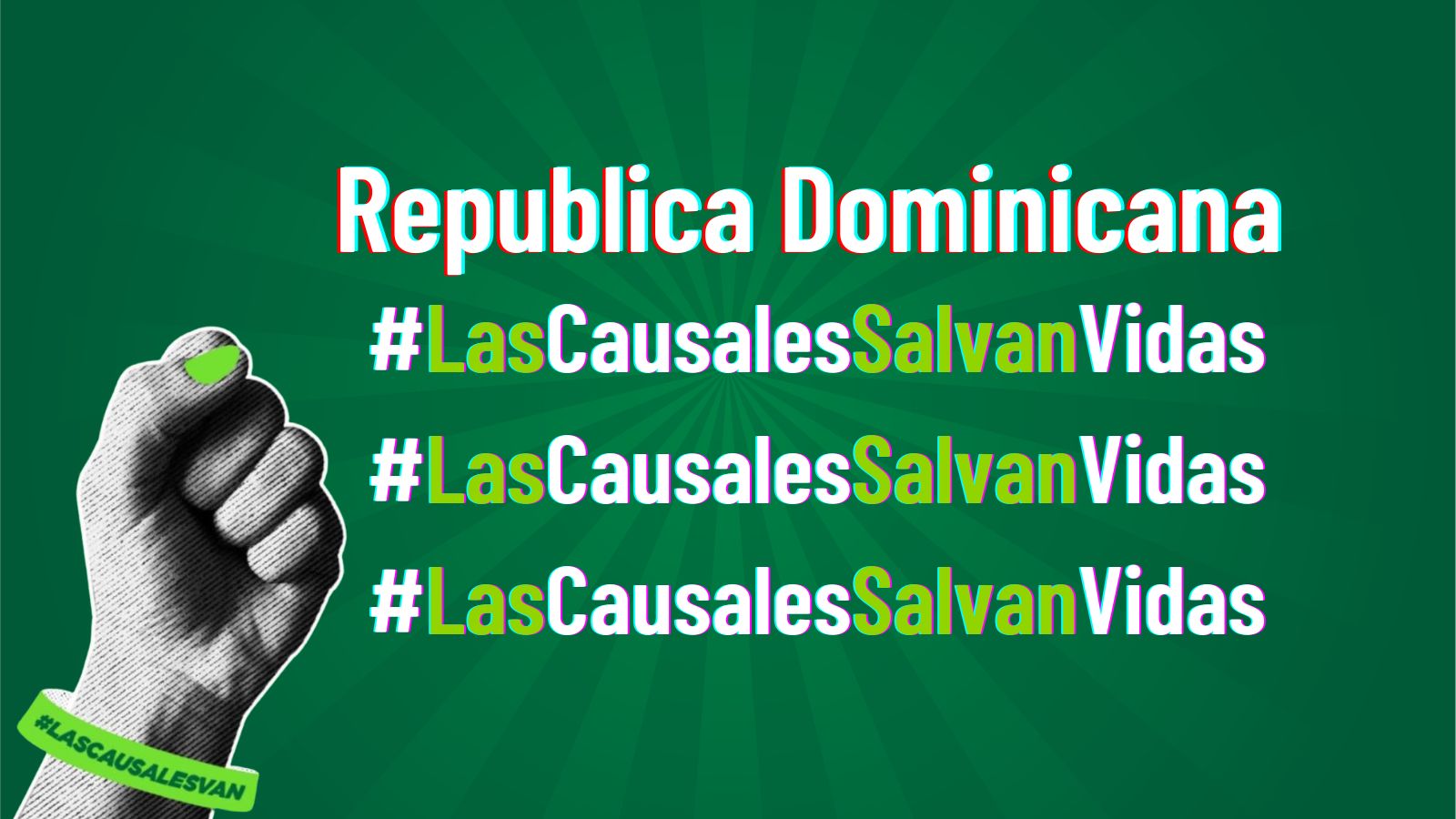
Statement on the Penal Code of The Dominican Republic
15 February 2023 For immediate release: Statement on the Penal Code of The Dominican Republic International Planned Parenthood Federation - Americas and The Caribbean Regional Office (IPPF ACRO) Two decades' worth of attempts by national feminist movements to reform the Dominican Republic's brutal Criminal Code has failed. The Caribbean country is one of the five countries in the world where ending a pregnancy is strictly prohibited under any circumstances. Abortion is now the third leading cause of maternal death in the country. The current Criminal Code dates back to 1884 and despite the Chamber of Deputies approving a revision to the Criminal Code in 2014 to allow abortion in the following three circumstances: where the pregnancy poses a risk to the life of a pregnant person, where the fetus could not survive outside the womb, and where the pregnancy is the result of rape or incest. The revision was struck down by the Constitutional Court in 2015. Despite President Luis Abinader vocal support of decriminalising support in certain circumstances, the decision today fails all pregnant people and will undoubtedly force more to turn to unsafe abortion methods that could be fatal. Eugenia Lopez Uribe – IPPF Americas and Caribbean Regional Director said: “ For twenty years the strong feminist movements in the Dominican Republic have fought to reform the barbaric Criminal Code that denies pregnant people access to safe and legal abortion. The Criminal Code is 140 years old, it did not serve the population then and it does not serve them now. IPPF will continue to stand side by side with the movement in the Dominican Republic to fight for reform, freedom and justice. All people must have the freedom to decide what happens to their body and that includes being able to end a pregnancy safely. Noone should have to die because of this Criminal Code that has caused so much harm and death.” IPPF - Americas and the Caribbean Regional Office stands in firm solidarity with the people of Dominican Republic and the feminist movements as we continue to fight for bodily autonomy, freedom, and reproductive justice. We acknowledge the enormous contribution of the Dominican leadership to the social justice movements in the region including the struggle for racial justice.
media_center
| 06 June 2026
Statement on the Penal Code of The Dominican Republic
15 February 2023 For immediate release: Statement on the Penal Code of The Dominican Republic International Planned Parenthood Federation - Americas and The Caribbean Regional Office (IPPF ACRO) Two decades' worth of attempts by national feminist movements to reform the Dominican Republic's brutal Criminal Code has failed. The Caribbean country is one of the five countries in the world where ending a pregnancy is strictly prohibited under any circumstances. Abortion is now the third leading cause of maternal death in the country. The current Criminal Code dates back to 1884 and despite the Chamber of Deputies approving a revision to the Criminal Code in 2014 to allow abortion in the following three circumstances: where the pregnancy poses a risk to the life of a pregnant person, where the fetus could not survive outside the womb, and where the pregnancy is the result of rape or incest. The revision was struck down by the Constitutional Court in 2015. Despite President Luis Abinader vocal support of decriminalising support in certain circumstances, the decision today fails all pregnant people and will undoubtedly force more to turn to unsafe abortion methods that could be fatal. Eugenia Lopez Uribe – IPPF Americas and Caribbean Regional Director said: “ For twenty years the strong feminist movements in the Dominican Republic have fought to reform the barbaric Criminal Code that denies pregnant people access to safe and legal abortion. The Criminal Code is 140 years old, it did not serve the population then and it does not serve them now. IPPF will continue to stand side by side with the movement in the Dominican Republic to fight for reform, freedom and justice. All people must have the freedom to decide what happens to their body and that includes being able to end a pregnancy safely. Noone should have to die because of this Criminal Code that has caused so much harm and death.” IPPF - Americas and the Caribbean Regional Office stands in firm solidarity with the people of Dominican Republic and the feminist movements as we continue to fight for bodily autonomy, freedom, and reproductive justice. We acknowledge the enormous contribution of the Dominican leadership to the social justice movements in the region including the struggle for racial justice.
media center
| 06 June 2023
Launch of the Alliance for Sex Workers Rights
The Alliance for Human Rights and the Inclusion of Sex Workers in Latin America and the Caribbean demands an end to the criminalization of people who perform sex work and urges states to protect their human rights. This Alliance seeks to visibilize sex workers, who are invisible in the eyes of the States, leaving them in with total lack of protection and in violation of their rights. People who engage in sex work, mainly cis and trans women, are exposed to suffering a whole series of abuses against their Human Rights, such as sexual and physical violence, extortion, and discrimination, as well as torture and murder. We understand that in a world that is in full deconstruction of paradigms anchored in patriarchy, it is urgent to guarantee the rights of a sector that determines itself and exercises the right to make autonomous decisions about their lives and their bodies. Sex workers do so of their own free will, are of legal age and understand this task to generate their income. Criminalizing adult, voluntary and consensual sexual relations - including the exchange of sexual services - is incompatible with the Human Rights to personal autonomy, dignity, and privacy, among others, while denying the capacity to act to a determined group of women does not only is it absolutely patriarchal, but it is also opposed to all conventions that purport to reinforce the right of women to give or withhold their consent. This Alliance fights to end the exploitative conditions to which people who do not have the protection of the State are subjected due to anachronistic legislation, without considering the voice of the protagonists and strongly condemns human trafficking and forced labor. We seek to guarantee public policies and legislation that protect the Human Rights of people who perform sex work and combat the crimes and abuses that today are carried out against thousands of them. Our organizations are leading civil society networks and Human Rights organizations. We have decades of experience and knowledge in Human Rights, sexual and reproductive health and rights, HIV, harm reduction, the rights of LGBTIQ+ people, digital rights, the fight against human trafficking, migration and racial justice, among other topics. Within these numerous fields of expertise, organizations have come to the same conclusion: Criminalization is not the solution. Only by adopting a human rights-based approach, decriminalizing all aspects of sex work, and meaningfully and genuinely including sex workers and human rights defenders in decision-making can they be protected. The criminalization of consensual and paid sexual relations between adults continues to have a negative impact on the lives of sex workers and, in particular, on their access to health and justice. Despite calls by some organizations to abolish prostitution; to protect and rescue; people who sell sexual services, there is no evidence that criminalizing sex workers, their clients or third parties has a positive impact on the life or human rights of sex workers. To the contrary, decades of evidence from academic research, civil society organizations, and from sex workers themselves clearly indicate that policing, repressions, and criminalization directly harm health, well-being, and social inclusion. It is important to highlight the process that has been taking place in New Zealand since 2003, where there is evidence that shows substantial changes in the lives of sex workers after the decriminalization of sex work. This State made extensive calls and discussed public policies with the premise of cessation of the violation of rights, avoiding the generation of punitive regulations with a high moral charge that end up criminalizing people. Violence rates have dropped drastically.
media_center
| 06 June 2026
Launch of the Alliance for Sex Workers Rights
The Alliance for Human Rights and the Inclusion of Sex Workers in Latin America and the Caribbean demands an end to the criminalization of people who perform sex work and urges states to protect their human rights. This Alliance seeks to visibilize sex workers, who are invisible in the eyes of the States, leaving them in with total lack of protection and in violation of their rights. People who engage in sex work, mainly cis and trans women, are exposed to suffering a whole series of abuses against their Human Rights, such as sexual and physical violence, extortion, and discrimination, as well as torture and murder. We understand that in a world that is in full deconstruction of paradigms anchored in patriarchy, it is urgent to guarantee the rights of a sector that determines itself and exercises the right to make autonomous decisions about their lives and their bodies. Sex workers do so of their own free will, are of legal age and understand this task to generate their income. Criminalizing adult, voluntary and consensual sexual relations - including the exchange of sexual services - is incompatible with the Human Rights to personal autonomy, dignity, and privacy, among others, while denying the capacity to act to a determined group of women does not only is it absolutely patriarchal, but it is also opposed to all conventions that purport to reinforce the right of women to give or withhold their consent. This Alliance fights to end the exploitative conditions to which people who do not have the protection of the State are subjected due to anachronistic legislation, without considering the voice of the protagonists and strongly condemns human trafficking and forced labor. We seek to guarantee public policies and legislation that protect the Human Rights of people who perform sex work and combat the crimes and abuses that today are carried out against thousands of them. Our organizations are leading civil society networks and Human Rights organizations. We have decades of experience and knowledge in Human Rights, sexual and reproductive health and rights, HIV, harm reduction, the rights of LGBTIQ+ people, digital rights, the fight against human trafficking, migration and racial justice, among other topics. Within these numerous fields of expertise, organizations have come to the same conclusion: Criminalization is not the solution. Only by adopting a human rights-based approach, decriminalizing all aspects of sex work, and meaningfully and genuinely including sex workers and human rights defenders in decision-making can they be protected. The criminalization of consensual and paid sexual relations between adults continues to have a negative impact on the lives of sex workers and, in particular, on their access to health and justice. Despite calls by some organizations to abolish prostitution; to protect and rescue; people who sell sexual services, there is no evidence that criminalizing sex workers, their clients or third parties has a positive impact on the life or human rights of sex workers. To the contrary, decades of evidence from academic research, civil society organizations, and from sex workers themselves clearly indicate that policing, repressions, and criminalization directly harm health, well-being, and social inclusion. It is important to highlight the process that has been taking place in New Zealand since 2003, where there is evidence that shows substantial changes in the lives of sex workers after the decriminalization of sex work. This State made extensive calls and discussed public policies with the premise of cessation of the violation of rights, avoiding the generation of punitive regulations with a high moral charge that end up criminalizing people. Violence rates have dropped drastically.
media center
| 15 February 2023
Statement on the Penal Code of The Dominican Republic
15 February 2023 For immediate release: Statement on the Penal Code of The Dominican Republic International Planned Parenthood Federation - Americas and The Caribbean Regional Office (IPPF ACRO) Two decades' worth of attempts by national feminist movements to reform the Dominican Republic's brutal Criminal Code has failed. The Caribbean country is one of the five countries in the world where ending a pregnancy is strictly prohibited under any circumstances. Abortion is now the third leading cause of maternal death in the country. The current Criminal Code dates back to 1884 and despite the Chamber of Deputies approving a revision to the Criminal Code in 2014 to allow abortion in the following three circumstances: where the pregnancy poses a risk to the life of a pregnant person, where the fetus could not survive outside the womb, and where the pregnancy is the result of rape or incest. The revision was struck down by the Constitutional Court in 2015. Despite President Luis Abinader vocal support of decriminalising support in certain circumstances, the decision today fails all pregnant people and will undoubtedly force more to turn to unsafe abortion methods that could be fatal. Eugenia Lopez Uribe – IPPF Americas and Caribbean Regional Director said: “ For twenty years the strong feminist movements in the Dominican Republic have fought to reform the barbaric Criminal Code that denies pregnant people access to safe and legal abortion. The Criminal Code is 140 years old, it did not serve the population then and it does not serve them now. IPPF will continue to stand side by side with the movement in the Dominican Republic to fight for reform, freedom and justice. All people must have the freedom to decide what happens to their body and that includes being able to end a pregnancy safely. Noone should have to die because of this Criminal Code that has caused so much harm and death.” IPPF - Americas and the Caribbean Regional Office stands in firm solidarity with the people of Dominican Republic and the feminist movements as we continue to fight for bodily autonomy, freedom, and reproductive justice. We acknowledge the enormous contribution of the Dominican leadership to the social justice movements in the region including the struggle for racial justice.
media_center
| 06 June 2026
Statement on the Penal Code of The Dominican Republic
15 February 2023 For immediate release: Statement on the Penal Code of The Dominican Republic International Planned Parenthood Federation - Americas and The Caribbean Regional Office (IPPF ACRO) Two decades' worth of attempts by national feminist movements to reform the Dominican Republic's brutal Criminal Code has failed. The Caribbean country is one of the five countries in the world where ending a pregnancy is strictly prohibited under any circumstances. Abortion is now the third leading cause of maternal death in the country. The current Criminal Code dates back to 1884 and despite the Chamber of Deputies approving a revision to the Criminal Code in 2014 to allow abortion in the following three circumstances: where the pregnancy poses a risk to the life of a pregnant person, where the fetus could not survive outside the womb, and where the pregnancy is the result of rape or incest. The revision was struck down by the Constitutional Court in 2015. Despite President Luis Abinader vocal support of decriminalising support in certain circumstances, the decision today fails all pregnant people and will undoubtedly force more to turn to unsafe abortion methods that could be fatal. Eugenia Lopez Uribe – IPPF Americas and Caribbean Regional Director said: “ For twenty years the strong feminist movements in the Dominican Republic have fought to reform the barbaric Criminal Code that denies pregnant people access to safe and legal abortion. The Criminal Code is 140 years old, it did not serve the population then and it does not serve them now. IPPF will continue to stand side by side with the movement in the Dominican Republic to fight for reform, freedom and justice. All people must have the freedom to decide what happens to their body and that includes being able to end a pregnancy safely. Noone should have to die because of this Criminal Code that has caused so much harm and death.” IPPF - Americas and the Caribbean Regional Office stands in firm solidarity with the people of Dominican Republic and the feminist movements as we continue to fight for bodily autonomy, freedom, and reproductive justice. We acknowledge the enormous contribution of the Dominican leadership to the social justice movements in the region including the struggle for racial justice.
