- - -

Articles about Haiti

Haiti Midwives Association received the Member Association Staff Courage Award
21 November 2025

Haiti Midwives Association received the Member Association Staff Courage Award

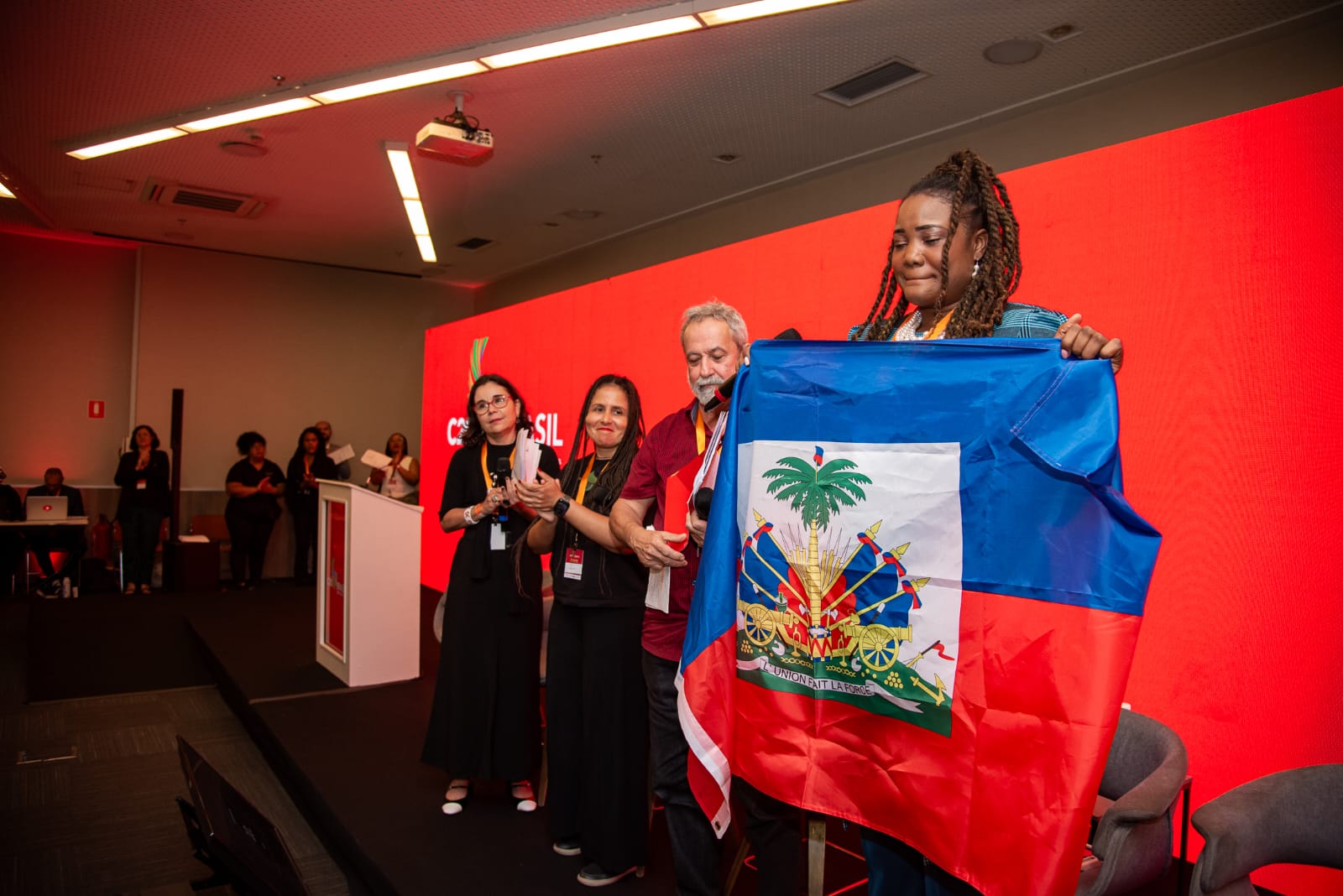
In the spirit of collective strength and shared values, during the IPPF 2025 General Assembly, the IPPF Courage Awards were presented, recognizing Member Associations, strategic partners, youth leaders, and volunteers whose bravery, leadership, and care continue to drive change across our Federation.  Among them, Jeffthanie Mathurin of the Haiti Midwives Association received the Member Association Staff Courage Award. A midwife and fearless advocate, she delivers essential maternal and reproductive health services in one of the world’s most under-resourced health systems, while also leading efforts to strengthen quality of care from within Haiti’s health response. Her work reflects the resilience, commitment, and community-rooted leadership that sustain sexual and reproductive health services even in the most fragile and complex contexts.  Just like Jeffthanie, IPPF ACRO Member Associations and the Secretariat stand together supporting, amplifying, and protecting the work being carried out on the frontlines, despite the context in which we operate continues to be deeply contested. Across the Americas and the world, civil liberties and sexual and reproductive rights face renewed pressure from political and policy shifts that threaten progress made over decades.   In our region, developments such as the expansion of the Global Gag Rule to cover not only abortion-related services but also programs related to diversity, equity, inclusion, and gender identity rights is indicating this won’t be an easy year. Fromthe U.S. imperialist intervention in Venezuela and threats to the sovereignty of some Caribbean states including Haïti; elections in Chile, Honduras, and Bolivia that have resulted in new ultra-right or conservative governments; pose serious challenges for global development and the rights to lives with health and free of violence for people – all these events create impossible choices for frontline providers and jeopardize essential care for the most vulnerable.  However, in 2026, we remain committed to advancing rights with courage, deepening humanitarian sexual and reproductive health programming, and building narratives that resonate with the values and lived realities of communities across 30 countries in the Americas and the Caribbean.  As affirmed at our recent General Assembly, Although the threats we face, from deepening inequalities to shrinking civic space, are real and growing, but so too is our capacity to resolve.  Together, we move forward clearer in purpose, stronger in federation, and more determined than ever to uphold human dignity and to be a source of hope and action for change.

Humanitarian crisis in Haiti_ASFH
19 August 2025

The Debt of Freedom Behind the Humanitarian Crisis in Haiti

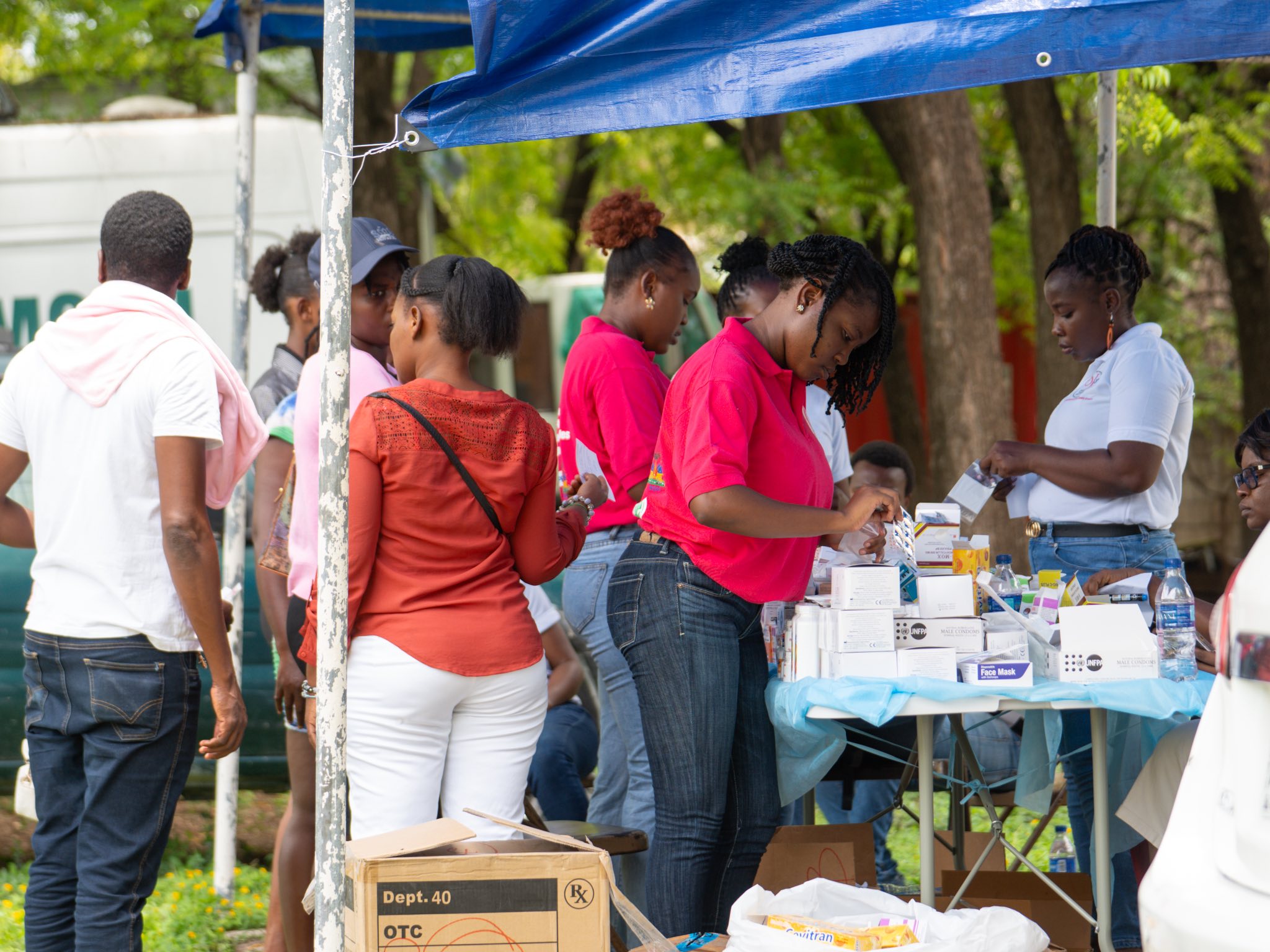
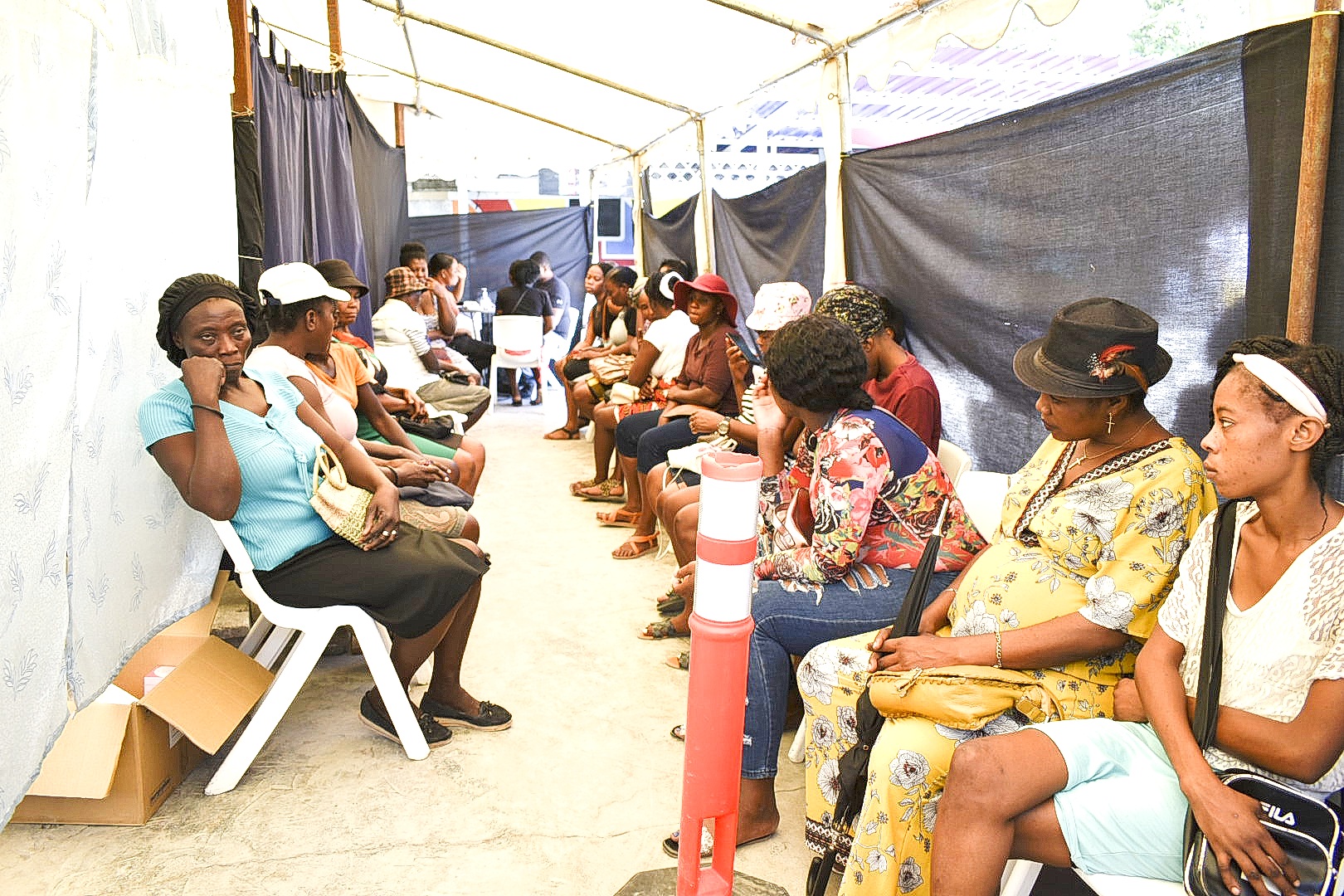
The history of independence in the Caribbean, often celebrated as the dawn of self-determination, conceals a painful paradox: the economic burden imposed by colonial powers as the "price" for freedom. This phenomenon, while more drastic in some cases than others, left an indelible mark that still manifests today in persistent debts and a global system many denounce as a form of financial neocolonialism.  The most emblematic and heartbreaking case is that of Haiti. After a heroic and successful slave revolution culminating in its independence from France in 1804, Haiti became the first free slave nation and the only one to emerge from such a revolt. However, instead of being celebrated, its freedom was punished. In 1825, France, with a fleet of warships, demanded an exorbitant "indemnity" of 150 million gold francs (1). This sum was equivalent to ten times Haiti's annual budget at that moment and was imposed to compensate French colonists for the loss of their "properties," including the land and the freed slaves themselves.  Haiti was forced to accept this debt under the threat of military invasion. To pay, the young Haitian state had to request usurious loans from French banks, which charged exorbitant interest rates. Although the sum was subsequently reduced to 90 million francs in 1838 (2), the nation was trapped in a cycle of debt that was not fully settled until 1947, 122 years after its initial imposition. It is estimated that, in total, Haiti paid approximately 112 million francs, which would be equivalent to about 560 million US dollars in 2022. More alarmingly, a New York Times investigation concluded that if that money had been invested in the Haitian economy, it could have generated between 21 billion and 115 billion dollars additional in economic development. For over a century, up to 19% of the Haitian government's revenue was allocated to servicing this debt, suffocating any possibility of investment in infrastructure, education, and health.  Although the Haitian case is the most extreme and direct instance of "payment for freedom," the dynamic of economic coercion and dependence was not alien to other Caribbean nations and former colonies in Africa and Asia after their respective independences. In many instances, the newly independent states found themselves entangled in unequal trade treaties or economic structures that continued to benefit the former metropolises, limiting their capacity to forge autonomous development paths. This laid the groundwork for future indebtedness and the persistence of asymmetrical relationships.  The long-term impacts of this "debt of freedom" and post-colonial dynamics are profound and multifaceted:  Chronic Economic Stagnation: The constant drain of resources prevented capital accumulation and productive investment, condemning many nations to undercapitalization and dependence on monocultures or low value-added extractive sectors.    Vulnerability and Structural Poverty: The lack of robust economic development left these nations highly vulnerable to external shocks, such as commodity price fluctuations or natural disasters, perpetuating cycles of poverty and underdevelopment. This structural fragility has a disproportionate impact on women and girls, who often bear the brunt of failing public systems. When essential services like healthcare, education, and social protection are underfunded or collapse, women's unpaid care burden intensifies, their access to vital sexual and reproductive health services diminishes, and their vulnerability to gender-based violence escalates significantly. The breakdown of public order and social safety nets creates environments where women are at heightened risk of exploitation, abuse, and insecurity.    Modern Debt as Neocolonialism: Today, for many Caribbean countries, sovereign external debt remains an insidious form of neocolonialism. While Haiti has had significant debt cancellations in the 21st century (reducing its current public debt to an 11.8% of GDP in 2025), many other Caribbean nations face high debt burdens, with an average of 71.1% of GDP for Latin America and the Caribbean in 2025. Countries like Dominica (97.8% of GDP in public debt in 2025), San Vicente y las Granadinas (93.5%), Jamaica (64.6%), and Trinidad and Tobago (3) (67.8%) exemplify how current debts, often with conditions imposed by international financial institutions, replicate historical patterns of value extraction and control over economic sovereignty. These debts limit governments' ability to invest in their populations, implement autonomous policies, and respond effectively to challenges like climate change, forcing them into further borrowing.  It is precisely in this context that community-led initiatives become lifelines. The Association of Midwifes in Haiti has officially launched their mobile clinic in June 2025, which has quickly become a trusted space for care. In its first month, it reached 118 beneficiaries: evidence of the trust the community places in their services. Operating two days a week, the clinic aims to offer a full spectrum of SRH services: prenatal, postnatal, and gynecological consultations, HIV and syphilis screening, cervical cancer screening, and health talks, with services open to all but a special focus on vulnerable and displaced women.  By July, they had already reached 261 beneficiaries--18% of our annual target in just two months-- and delivered 18 health talks. ASFH also engaged 83 young people, a priority for the coming quarter, while preparing to launch HIV and cervical cancer screening in August. Yet, the recent cut in USAID funding for contraceptive methods in Haiti remains a stark reminder of how external funding decisions, made far from the communities they affect, can undermine access to essential services. 

IPPF ACRO urge al G20 a responder sobre Haití
13 November 2024

IPPF ACRO Urges G20 for Action on Haiti

Rio de Janeiro, November 2024 – The International Planned Parenthood Federation’s Americas and the Caribbean Regional Office (IPPF ACRO) has been at the forefront of advocacy efforts, urging the G20 to address the escalating crisis in Haiti. During the Civil 20 (C20) Engagement Group discussions, IPPF ACRO played a key role in driving forward a joint statement that calls on the G20, under Brazil’s presidency, to take decisive action to support Haiti amidst its deepening humanitarian emergencies.  The statement, delivered to Brazilian President Luiz Inácio Lula da Silva, highlights the alarming political instability and escalating violence in Haiti, which have severely impacted vulnerable populations. According to the International Organization for Migration (IOM), at least 35,000 people have fled their homes since early 2024, and over 600,000 Haitians are now displaced. The compounded crises have severely threatened fundamental rights, particularly the sexual and reproductive health and rights of women and girls in all their diversity, who face heightened risks of gender-based violence.  Throughout this year, IPPF ACRO has consistently championed the inclusion of Haiti’s crisis on the G20 agenda. “The situation in Haiti is a stark reminder of the vulnerabilities faced by the Caribbean in the face of climate change, political instability, and deep-seated inequality,” said Alessandra Nilo, C20 Sherpa and IPPF ACRO’s External Relations Director. “We pushed for this statement because it is imperative that the G20, especially under Brazil’s leadership, acknowledges the urgent need for action. Women and girls in Haiti are bearing the brunt of this crisis, and they cannot wait any longer for the international community to act.”  Jeffthanie Mathurin, midwife, Member of the Board of Trustees and spokesperson of the Midwife Association of Haiti, IPPF Member Association in the country, further emphasized the urgency of the situation: “The time has come for social solidarity to transition from words to actions, from statements to safeguards, from declarations to transformations. Stand with Haiti, stand with our midwives, with our women and girls, and with every community affected by this crisis. Together, let us ensure that our shared humanity does not turn into a fleeting ideal, but rather a strong force for peace, dignity, and justice for all Haitians.”  IPPF ACRO remains committed to centering the voices of local organizations and communities in the response to Haiti’s crisis. “We believe in a response that prioritizes the rights and needs of those most affected, particularly in access to critical maternal health care and sexual and reproductive health services,” emphasized Eugenia López Uribe, Regional Director of IPPF ACRO. “We call on the G20 leaders to recognize that true resilience and recovery for Haiti must be rooted in ensuring the fundamental rights of its people, especially women and girls.”  The joint statement by the C20, Women 20, and Labour 20 Engagement Groups calls on the G20 to speak out in favor of restructuring Haiti’s healthcare system, including essential maternal health care and sexual and reproductive health services. The statement urges G20 leaders to include a commitment in the official Communiqué for zero tolerance towards sexual and gender-based violence and immediate protection measures for women, children, and those most at risk in Haiti.  “At a time of multiple global crises, we cannot forget Haiti,” added Nilo. “Decades of colonial exploitation, compounded by climate impacts, have created the conditions for today’s instability. The G20 must step up and commit to a future where human rights are protected, and no one is left behind.”      About the International Planned Parenthood Federation (IPPF) and the Americas & the Caribbean Regional Office (IPPF ACRO)  IPPF is a global healthcare provider and a leading advocate of sexual and reproductive health and rights (SRHR) for all. Led by a courageous and determined group of women, IPPF was founded in 1952 at the Third International Planned Parenthood Conference. Today, we are a movement of 150 Member Associations and Collaborative Partners with a presence in over 146 countries. we have focused our work on advocating for sexual and reproductive health and rights across the region, with a special focus on abortion, contraception, maternal health, comprehensive sexuality education, child marriage and early unions, LGBTQ+ people, and HIV care.  At the IPPF Americas and the Caribbean Regional Office (IPPF ACRO), we take pride in being local through our Member Associations and Collaborative Partners ,present in 30 countries of our region:  Antigua & Barbuda, Argentina, Aruba, Bahamas, Barbados, Bolivia, Brazil, Canada, Chile, Colombia, Cuba, Curaçao, Dominica, Ecuador, Guadalupe, Guatemala, Granada, Guyana, Haïti, Honduras, Jamaica, Mexico, Paraguay, Peru, St. Lucia, St Vincent & the Grenadines, Suriname, Trinidad & Tobago, and the United States of America.  For more information: Andrea Alcalá Frutos +52 (33) 1409 6790 
IPPF May News
31 May 2024

May News Round-Up

Haz click aquí para leer el Resumen de noticias de mayo en español. Brazil | Gestos celebrates 31 years of advocating for SRHR   Gestos, IPPF Collaborative Partner in Brazil, celebrated their 31st anniversary with dance, music and much love from their community. Since their founding, they have advocated to link social, cultural, economic and environmental issues to inclusive and effective public policies on sexual and reproductive health and rights.  For 31 years, Gestos has effectively contributed to guaranteeing the human rights of people living with HIV and AIDS. Around 70 per cent of the people who have sought legal support from the institution have had their rights repaired, through injunctions and judgements. Gestos' advocacy efforts effectively reach multilateral bodies dedicated to monitoring HIV, gender, sexual rights and public development policies and, since 2001, the organisation has been monitoring United Nations resolutions on these agendas.  Congratulations, parceiras!       Bolivia | Colectivo Rebeldía celebrates diverse 🏳️‍🌈 🏳️‍⚧️ families for IDAHOBIT  To commemorate the International Day Against LGBTIphobia, Colectivo Rebeldía,  Collaborative Partner in Bolivia, joined the Sexual Diversity Movement of Santa Cruz to celebrate love and diversity on May 17th. They brought the community together to celebrate all forms of love and all forms of families. The cold weather was no obstacle to this warm and welcoming gathering where they shared moments of reflection, art and connection.  You can learn more about this joint project with their most recent (and creative!) post.      Cuba | Cenesex fights LGBTQI-Phobia with gala, march and community-oriented events  IPPF Collaborative Partner in Cuba, Cenesex, went all out for IDAHOBIT celebrations with the Cuban Days Against Homophobia and Transphobia during the month of May. They took the streets to the rhythm of the Cuban Conga against Homophobia and Transphobia, waving the trans and transinclusive pride flag across San José de las Lajas. They also celebrated the graduation of 30 transgender people as Sexual Health and Rights promoters in prisons. Their community work is incredible!      Dominica | Dominica Planned Parenthood Association champions gender equality at SIDS4  From May 27-30 the Dominican Planned Parenthood Association participated in the 4th International Conference on Small Island Developing States. This year, Antigua & Barbuda was host to leaders from the 39 independent States and 18 Associate Members of United Nations regional commissions and other world leaders, officials, and experts from the private sector, academia and civil society. DPPA participated in the Gender Equality Forum as part of the SIDS4, bringing forward the importance of addressing gender-based violence.      Haïti | The Association of Midwifes of Haiti highlights the important role of midwives at the forefront of crisis.   To celebrate the International Day of the Midwife, on May 6th the Association des Sages-Femmes d’Haïti (ASFH) organized the webinar “Midwives in Haïti: Agents of Solution in the Socio-political Crisis”, of particular importance in the country’s current context. Key stakeholders came together to discuss best practices, challenges and solutions to strengthen maternal and child health in the country. It was a relevant virtual platform for reflection, exchange of ideas and collective action.      Perú | INPPARES and IPPF ACRO express concern regarding the latest Health Ministry’s decree that violates LGBTQI+ rights.  The IPPF Americas and Caribbean Regional Office joined INPPARES, IPPF Member Association in Peru, in expressing its rejection of the Supreme Decree Nº 009-2024-SA issued on May 10th by the Peruvian Ministry of Health which, by updating the Essential Health Insurance Plan (PEAS) based on the 10th revision of the International Classification of Diseases (ICD-10), violates the human rights of LGBTIQ+ people.  This decision of the Peruvian government to use ICD-10 is very serious, as it violates binding codes and agreements at local, regional and international level. You can read our joint statement here.     If you want to receive SRHR news directly from the ground to your inbox, subscribe to our newsletter Rising the Tide: Subscribe

La crisis en Haiti 2024
01 April 2024

Beyond Civil Unrest: Understanding the Crisis in Haiti and the Path Forward

Beyond Civil Unrest: Understanding the Crisis in Haiti and the Path Forward by Eugenia López Uribe, Regional Director at IPPF ACRO     The recent episodes of violence on Haiti quickly made headlines worldwide through media outlets that exploit the image of a country in perpetual crisis, often neglecting the reasons behind it. This insufficient approach not only makes it challenging to understand the context but also to devise effective responses to it. In Haiti, we see the ravages of a colonial history deeply rooted in slavery, interventionism from the global North, natural disasters exacerbated by climate change, the democratic void of an illegitimate state, and an international framework that has historically refused to work together with local actors to find solutions. As organizations and individuals working for human rights, it is our responsibility to prioritize a more concrete response to the Haitian people and to articulate a strategy to mitigate the social and political effects in the rest of the region. In terms of migration, for instance, according to the United Nations, out of Haiti's 11.5 million inhabitants, at least 35,000 have fled their homes since the beginning of 2024 due to the escalating crisis, and over 362,000 have been displaced by violence. According to Human Rights Watch, more than 63,000 people from Haiti crossed the Darien Gap, one of the most dangerous points on the migratory route to North America, between January 2022 and November 2023, risking their lives to escape what is happening on the island. As a counterpoint, according to the International Organization for Migration, in March of this year, 13,000 people were forced to return amid the unfolding crisis. This figure is 46% higher than that of February. We cannot overlook the role of the arms industry, which thrives at the expense of the lives of thousands of people in vulnerable situations. Haiti is part of a list of territories struggling to survive in situations of armed conflict and violence around the world, such as Palestine, Yemen, Sudan, Congo, Syria, and Afghanistan, to name a few. In recent months, we have seen powerful and significant mobilizations that bring us closer to the reality of Africa and the Middle East. However, today we have a humanitarian situation in our region that also requires our attention and resources. The sexual and reproductive health of all individuals, but especially women and girls, in all their diversity, is under imminent threat. The United Nations Integrated Office in Haiti warns that if the situation continues like this, 3,000 pregnant women will not be able to access the medical care they need. This means that nearly 450 women could experience complications during childbirth that could endanger their lives if they do not receive proper care. Furthermore, the risk of being victims of sexual assault and abuse is growing even more in Haiti. The lack of access to gender-based violence services in internally displaced persons camps exacerbates the situation for victims and exposes them to a higher risk of experiencing further abuse. In the past, there have been many efforts to "support" Haiti. However, they have not significantly involved the country's population or the local groups and organizations that have been mitigating the effects of instability for decades. Those who have the experience and knowledge about the root causes of the issues facing Haiti are those who live them. It is urgent not only to involve them in the solutions but also to follow their leadership, invest in the strategies they deem priorities, and address their demands for transparency and accountability throughout the process. What is happening in Haiti today is, above all, the result of colonialism that has hindered the development and construction of an independent state. To de-escalate violence and restore damage in situations like Haiti's, something we can learn from its own history is the urgent need to listen to, empower, and finance local efforts and strategies to begin building a path towards peace and stability.   This text was written by Eugenia López Uribe, Regional Director at IPPF ACRO. Eugenia is an experienced advocate for gender equality and sexual and reproductive rights, promoting innovation in the delivery of health services from a human rights perspective. She has worked with rural and indigenous people, adolescents, youth, LGBTQI+ populations, sex workers and women with HIV in Latin America and the Caribbean.

image

Statement: IPPF ACRO Urges Immediate Action to Address Escalating Violence and Humanitarian Crisis in Haiti

March 4th 2024 - IPPF ACRO expresses deep concern about the recent upsurge in violence in Haiti and the release of over 4,000 prisoners in a gang-led jailbreak, which exacerbates the challenges faced by an already vulnerable population in a context of political and security crisis. To date, more than 300,000 people have been forced to flee their homes amid waves of indiscriminate killings, abductions, arson and rape. We call for the protection of children, women, and the most vulnerable, recognizing that in situations of conflict and instability currently prevailing in Haiti, gender-based violence against women and girls increases and human rights protections are significantly weakened. As millions of Haitians flee their homes or go into hiding, we must remember that civil unrest in any part of the world adversely affects access to  life-saving sexual and reproductive health services and rights disproportionately affectingwomen, girls, and members of the LGBTQI+ community As the Prime Minister of Barbados, the Honorable Mia Amor Mottley stated in her address to the UN General Assembly in 2022: "The world owes Haiti a solution.”. IPPF ACRO joins social movements, communities and international organizations to call for an immediate peaceful resolution to the conflict and the protection of human rights, especially for those most affected by the recent upsurge in violence.

The Haiti Midwives Association (ASFH)

The Haiti Midwives Association was created in 2004 as a local organisation promoting the midwifery profession to reduce the maternal and infant mortality rate. They work in collaboration with other entities (such as the Ministry of Health, obstetricians, etc.) to provide and promote health and wellbeing throughout Haiti. To ensure greater visibility and recognition of the midwifery profession in Haiti, the AISFH has officially changed its name to ASFH.

ASFH provides ongoing training to its members and offers preventive and treatment services in the field of sexual and reproductive health.

ASFH promotes the following values:

  • Midwifery is an essential pillar in the promotion of health and in the fight to reduce infant and maternal mortality and morbidity in Haiti.
  • The care provided by midwives is based on respect for the well-being and dignity of the family.
  • Midwifery provides a favourable environment for the continuity of maternal and neonatal care.
  • Proximity to women, continuity of care, informed choice, choice of delivery site and community services are at the core of the high quality care midwives provide.
  • Midwifery care must be accessible to all Haitian women, regardless of socio-economic status.
  • It is important to highlight and promote the potential of midwifery to improve the well-being of women, families and society.


Haiti Midwives Association received the Member Association Staff Courage Award
21 November 2025

Haiti Midwives Association received the Member Association Staff Courage Award

In the spirit of collective strength and shared values, during the IPPF 2025 General Assembly, the IPPF Courage Awards were presented, recognizing Member Associations, strategic partners, youth leaders, and volunteers whose bravery, leadership, and care continue to drive change across our Federation.  Among them, Jeffthanie Mathurin of the Haiti Midwives Association received the Member Association Staff Courage Award. A midwife and fearless advocate, she delivers essential maternal and reproductive health services in one of the world’s most under-resourced health systems, while also leading efforts to strengthen quality of care from within Haiti’s health response. Her work reflects the resilience, commitment, and community-rooted leadership that sustain sexual and reproductive health services even in the most fragile and complex contexts.  Just like Jeffthanie, IPPF ACRO Member Associations and the Secretariat stand together supporting, amplifying, and protecting the work being carried out on the frontlines, despite the context in which we operate continues to be deeply contested. Across the Americas and the world, civil liberties and sexual and reproductive rights face renewed pressure from political and policy shifts that threaten progress made over decades.   In our region, developments such as the expansion of the Global Gag Rule to cover not only abortion-related services but also programs related to diversity, equity, inclusion, and gender identity rights is indicating this won’t be an easy year. Fromthe U.S. imperialist intervention in Venezuela and threats to the sovereignty of some Caribbean states including Haïti; elections in Chile, Honduras, and Bolivia that have resulted in new ultra-right or conservative governments; pose serious challenges for global development and the rights to lives with health and free of violence for people – all these events create impossible choices for frontline providers and jeopardize essential care for the most vulnerable.  However, in 2026, we remain committed to advancing rights with courage, deepening humanitarian sexual and reproductive health programming, and building narratives that resonate with the values and lived realities of communities across 30 countries in the Americas and the Caribbean.  As affirmed at our recent General Assembly, Although the threats we face, from deepening inequalities to shrinking civic space, are real and growing, but so too is our capacity to resolve.  Together, we move forward clearer in purpose, stronger in federation, and more determined than ever to uphold human dignity and to be a source of hope and action for change.

Humanitarian crisis in Haiti_ASFH
19 August 2025

The Debt of Freedom Behind the Humanitarian Crisis in Haiti

The history of independence in the Caribbean, often celebrated as the dawn of self-determination, conceals a painful paradox: the economic burden imposed by colonial powers as the "price" for freedom. This phenomenon, while more drastic in some cases than others, left an indelible mark that still manifests today in persistent debts and a global system many denounce as a form of financial neocolonialism.  The most emblematic and heartbreaking case is that of Haiti. After a heroic and successful slave revolution culminating in its independence from France in 1804, Haiti became the first free slave nation and the only one to emerge from such a revolt. However, instead of being celebrated, its freedom was punished. In 1825, France, with a fleet of warships, demanded an exorbitant "indemnity" of 150 million gold francs (1). This sum was equivalent to ten times Haiti's annual budget at that moment and was imposed to compensate French colonists for the loss of their "properties," including the land and the freed slaves themselves.  Haiti was forced to accept this debt under the threat of military invasion. To pay, the young Haitian state had to request usurious loans from French banks, which charged exorbitant interest rates. Although the sum was subsequently reduced to 90 million francs in 1838 (2), the nation was trapped in a cycle of debt that was not fully settled until 1947, 122 years after its initial imposition. It is estimated that, in total, Haiti paid approximately 112 million francs, which would be equivalent to about 560 million US dollars in 2022. More alarmingly, a New York Times investigation concluded that if that money had been invested in the Haitian economy, it could have generated between 21 billion and 115 billion dollars additional in economic development. For over a century, up to 19% of the Haitian government's revenue was allocated to servicing this debt, suffocating any possibility of investment in infrastructure, education, and health.  Although the Haitian case is the most extreme and direct instance of "payment for freedom," the dynamic of economic coercion and dependence was not alien to other Caribbean nations and former colonies in Africa and Asia after their respective independences. In many instances, the newly independent states found themselves entangled in unequal trade treaties or economic structures that continued to benefit the former metropolises, limiting their capacity to forge autonomous development paths. This laid the groundwork for future indebtedness and the persistence of asymmetrical relationships.  The long-term impacts of this "debt of freedom" and post-colonial dynamics are profound and multifaceted:  Chronic Economic Stagnation: The constant drain of resources prevented capital accumulation and productive investment, condemning many nations to undercapitalization and dependence on monocultures or low value-added extractive sectors.    Vulnerability and Structural Poverty: The lack of robust economic development left these nations highly vulnerable to external shocks, such as commodity price fluctuations or natural disasters, perpetuating cycles of poverty and underdevelopment. This structural fragility has a disproportionate impact on women and girls, who often bear the brunt of failing public systems. When essential services like healthcare, education, and social protection are underfunded or collapse, women's unpaid care burden intensifies, their access to vital sexual and reproductive health services diminishes, and their vulnerability to gender-based violence escalates significantly. The breakdown of public order and social safety nets creates environments where women are at heightened risk of exploitation, abuse, and insecurity.    Modern Debt as Neocolonialism: Today, for many Caribbean countries, sovereign external debt remains an insidious form of neocolonialism. While Haiti has had significant debt cancellations in the 21st century (reducing its current public debt to an 11.8% of GDP in 2025), many other Caribbean nations face high debt burdens, with an average of 71.1% of GDP for Latin America and the Caribbean in 2025. Countries like Dominica (97.8% of GDP in public debt in 2025), San Vicente y las Granadinas (93.5%), Jamaica (64.6%), and Trinidad and Tobago (3) (67.8%) exemplify how current debts, often with conditions imposed by international financial institutions, replicate historical patterns of value extraction and control over economic sovereignty. These debts limit governments' ability to invest in their populations, implement autonomous policies, and respond effectively to challenges like climate change, forcing them into further borrowing.  It is precisely in this context that community-led initiatives become lifelines. The Association of Midwifes in Haiti has officially launched their mobile clinic in June 2025, which has quickly become a trusted space for care. In its first month, it reached 118 beneficiaries: evidence of the trust the community places in their services. Operating two days a week, the clinic aims to offer a full spectrum of SRH services: prenatal, postnatal, and gynecological consultations, HIV and syphilis screening, cervical cancer screening, and health talks, with services open to all but a special focus on vulnerable and displaced women.  By July, they had already reached 261 beneficiaries--18% of our annual target in just two months-- and delivered 18 health talks. ASFH also engaged 83 young people, a priority for the coming quarter, while preparing to launch HIV and cervical cancer screening in August. Yet, the recent cut in USAID funding for contraceptive methods in Haiti remains a stark reminder of how external funding decisions, made far from the communities they affect, can undermine access to essential services. 

IPPF ACRO urge al G20 a responder sobre Haití
13 November 2024

IPPF ACRO Urges G20 for Action on Haiti

Rio de Janeiro, November 2024 – The International Planned Parenthood Federation’s Americas and the Caribbean Regional Office (IPPF ACRO) has been at the forefront of advocacy efforts, urging the G20 to address the escalating crisis in Haiti. During the Civil 20 (C20) Engagement Group discussions, IPPF ACRO played a key role in driving forward a joint statement that calls on the G20, under Brazil’s presidency, to take decisive action to support Haiti amidst its deepening humanitarian emergencies.  The statement, delivered to Brazilian President Luiz Inácio Lula da Silva, highlights the alarming political instability and escalating violence in Haiti, which have severely impacted vulnerable populations. According to the International Organization for Migration (IOM), at least 35,000 people have fled their homes since early 2024, and over 600,000 Haitians are now displaced. The compounded crises have severely threatened fundamental rights, particularly the sexual and reproductive health and rights of women and girls in all their diversity, who face heightened risks of gender-based violence.  Throughout this year, IPPF ACRO has consistently championed the inclusion of Haiti’s crisis on the G20 agenda. “The situation in Haiti is a stark reminder of the vulnerabilities faced by the Caribbean in the face of climate change, political instability, and deep-seated inequality,” said Alessandra Nilo, C20 Sherpa and IPPF ACRO’s External Relations Director. “We pushed for this statement because it is imperative that the G20, especially under Brazil’s leadership, acknowledges the urgent need for action. Women and girls in Haiti are bearing the brunt of this crisis, and they cannot wait any longer for the international community to act.”  Jeffthanie Mathurin, midwife, Member of the Board of Trustees and spokesperson of the Midwife Association of Haiti, IPPF Member Association in the country, further emphasized the urgency of the situation: “The time has come for social solidarity to transition from words to actions, from statements to safeguards, from declarations to transformations. Stand with Haiti, stand with our midwives, with our women and girls, and with every community affected by this crisis. Together, let us ensure that our shared humanity does not turn into a fleeting ideal, but rather a strong force for peace, dignity, and justice for all Haitians.”  IPPF ACRO remains committed to centering the voices of local organizations and communities in the response to Haiti’s crisis. “We believe in a response that prioritizes the rights and needs of those most affected, particularly in access to critical maternal health care and sexual and reproductive health services,” emphasized Eugenia López Uribe, Regional Director of IPPF ACRO. “We call on the G20 leaders to recognize that true resilience and recovery for Haiti must be rooted in ensuring the fundamental rights of its people, especially women and girls.”  The joint statement by the C20, Women 20, and Labour 20 Engagement Groups calls on the G20 to speak out in favor of restructuring Haiti’s healthcare system, including essential maternal health care and sexual and reproductive health services. The statement urges G20 leaders to include a commitment in the official Communiqué for zero tolerance towards sexual and gender-based violence and immediate protection measures for women, children, and those most at risk in Haiti.  “At a time of multiple global crises, we cannot forget Haiti,” added Nilo. “Decades of colonial exploitation, compounded by climate impacts, have created the conditions for today’s instability. The G20 must step up and commit to a future where human rights are protected, and no one is left behind.”      About the International Planned Parenthood Federation (IPPF) and the Americas & the Caribbean Regional Office (IPPF ACRO)  IPPF is a global healthcare provider and a leading advocate of sexual and reproductive health and rights (SRHR) for all. Led by a courageous and determined group of women, IPPF was founded in 1952 at the Third International Planned Parenthood Conference. Today, we are a movement of 150 Member Associations and Collaborative Partners with a presence in over 146 countries. we have focused our work on advocating for sexual and reproductive health and rights across the region, with a special focus on abortion, contraception, maternal health, comprehensive sexuality education, child marriage and early unions, LGBTQ+ people, and HIV care.  At the IPPF Americas and the Caribbean Regional Office (IPPF ACRO), we take pride in being local through our Member Associations and Collaborative Partners ,present in 30 countries of our region:  Antigua & Barbuda, Argentina, Aruba, Bahamas, Barbados, Bolivia, Brazil, Canada, Chile, Colombia, Cuba, Curaçao, Dominica, Ecuador, Guadalupe, Guatemala, Granada, Guyana, Haïti, Honduras, Jamaica, Mexico, Paraguay, Peru, St. Lucia, St Vincent & the Grenadines, Suriname, Trinidad & Tobago, and the United States of America.  For more information: Andrea Alcalá Frutos +52 (33) 1409 6790 

IPPF May News
31 May 2024

May News Round-Up

Haz click aquí para leer el Resumen de noticias de mayo en español. Brazil | Gestos celebrates 31 years of advocating for SRHR   Gestos, IPPF Collaborative Partner in Brazil, celebrated their 31st anniversary with dance, music and much love from their community. Since their founding, they have advocated to link social, cultural, economic and environmental issues to inclusive and effective public policies on sexual and reproductive health and rights.  For 31 years, Gestos has effectively contributed to guaranteeing the human rights of people living with HIV and AIDS. Around 70 per cent of the people who have sought legal support from the institution have had their rights repaired, through injunctions and judgements. Gestos' advocacy efforts effectively reach multilateral bodies dedicated to monitoring HIV, gender, sexual rights and public development policies and, since 2001, the organisation has been monitoring United Nations resolutions on these agendas.  Congratulations, parceiras!       Bolivia | Colectivo Rebeldía celebrates diverse 🏳️‍🌈 🏳️‍⚧️ families for IDAHOBIT  To commemorate the International Day Against LGBTIphobia, Colectivo Rebeldía,  Collaborative Partner in Bolivia, joined the Sexual Diversity Movement of Santa Cruz to celebrate love and diversity on May 17th. They brought the community together to celebrate all forms of love and all forms of families. The cold weather was no obstacle to this warm and welcoming gathering where they shared moments of reflection, art and connection.  You can learn more about this joint project with their most recent (and creative!) post.      Cuba | Cenesex fights LGBTQI-Phobia with gala, march and community-oriented events  IPPF Collaborative Partner in Cuba, Cenesex, went all out for IDAHOBIT celebrations with the Cuban Days Against Homophobia and Transphobia during the month of May. They took the streets to the rhythm of the Cuban Conga against Homophobia and Transphobia, waving the trans and transinclusive pride flag across San José de las Lajas. They also celebrated the graduation of 30 transgender people as Sexual Health and Rights promoters in prisons. Their community work is incredible!      Dominica | Dominica Planned Parenthood Association champions gender equality at SIDS4  From May 27-30 the Dominican Planned Parenthood Association participated in the 4th International Conference on Small Island Developing States. This year, Antigua & Barbuda was host to leaders from the 39 independent States and 18 Associate Members of United Nations regional commissions and other world leaders, officials, and experts from the private sector, academia and civil society. DPPA participated in the Gender Equality Forum as part of the SIDS4, bringing forward the importance of addressing gender-based violence.      Haïti | The Association of Midwifes of Haiti highlights the important role of midwives at the forefront of crisis.   To celebrate the International Day of the Midwife, on May 6th the Association des Sages-Femmes d’Haïti (ASFH) organized the webinar “Midwives in Haïti: Agents of Solution in the Socio-political Crisis”, of particular importance in the country’s current context. Key stakeholders came together to discuss best practices, challenges and solutions to strengthen maternal and child health in the country. It was a relevant virtual platform for reflection, exchange of ideas and collective action.      Perú | INPPARES and IPPF ACRO express concern regarding the latest Health Ministry’s decree that violates LGBTQI+ rights.  The IPPF Americas and Caribbean Regional Office joined INPPARES, IPPF Member Association in Peru, in expressing its rejection of the Supreme Decree Nº 009-2024-SA issued on May 10th by the Peruvian Ministry of Health which, by updating the Essential Health Insurance Plan (PEAS) based on the 10th revision of the International Classification of Diseases (ICD-10), violates the human rights of LGBTIQ+ people.  This decision of the Peruvian government to use ICD-10 is very serious, as it violates binding codes and agreements at local, regional and international level. You can read our joint statement here.     If you want to receive SRHR news directly from the ground to your inbox, subscribe to our newsletter Rising the Tide: Subscribe

La crisis en Haiti 2024
01 April 2024

Beyond Civil Unrest: Understanding the Crisis in Haiti and the Path Forward

Beyond Civil Unrest: Understanding the Crisis in Haiti and the Path Forward by Eugenia López Uribe, Regional Director at IPPF ACRO     The recent episodes of violence on Haiti quickly made headlines worldwide through media outlets that exploit the image of a country in perpetual crisis, often neglecting the reasons behind it. This insufficient approach not only makes it challenging to understand the context but also to devise effective responses to it. In Haiti, we see the ravages of a colonial history deeply rooted in slavery, interventionism from the global North, natural disasters exacerbated by climate change, the democratic void of an illegitimate state, and an international framework that has historically refused to work together with local actors to find solutions. As organizations and individuals working for human rights, it is our responsibility to prioritize a more concrete response to the Haitian people and to articulate a strategy to mitigate the social and political effects in the rest of the region. In terms of migration, for instance, according to the United Nations, out of Haiti's 11.5 million inhabitants, at least 35,000 have fled their homes since the beginning of 2024 due to the escalating crisis, and over 362,000 have been displaced by violence. According to Human Rights Watch, more than 63,000 people from Haiti crossed the Darien Gap, one of the most dangerous points on the migratory route to North America, between January 2022 and November 2023, risking their lives to escape what is happening on the island. As a counterpoint, according to the International Organization for Migration, in March of this year, 13,000 people were forced to return amid the unfolding crisis. This figure is 46% higher than that of February. We cannot overlook the role of the arms industry, which thrives at the expense of the lives of thousands of people in vulnerable situations. Haiti is part of a list of territories struggling to survive in situations of armed conflict and violence around the world, such as Palestine, Yemen, Sudan, Congo, Syria, and Afghanistan, to name a few. In recent months, we have seen powerful and significant mobilizations that bring us closer to the reality of Africa and the Middle East. However, today we have a humanitarian situation in our region that also requires our attention and resources. The sexual and reproductive health of all individuals, but especially women and girls, in all their diversity, is under imminent threat. The United Nations Integrated Office in Haiti warns that if the situation continues like this, 3,000 pregnant women will not be able to access the medical care they need. This means that nearly 450 women could experience complications during childbirth that could endanger their lives if they do not receive proper care. Furthermore, the risk of being victims of sexual assault and abuse is growing even more in Haiti. The lack of access to gender-based violence services in internally displaced persons camps exacerbates the situation for victims and exposes them to a higher risk of experiencing further abuse. In the past, there have been many efforts to "support" Haiti. However, they have not significantly involved the country's population or the local groups and organizations that have been mitigating the effects of instability for decades. Those who have the experience and knowledge about the root causes of the issues facing Haiti are those who live them. It is urgent not only to involve them in the solutions but also to follow their leadership, invest in the strategies they deem priorities, and address their demands for transparency and accountability throughout the process. What is happening in Haiti today is, above all, the result of colonialism that has hindered the development and construction of an independent state. To de-escalate violence and restore damage in situations like Haiti's, something we can learn from its own history is the urgent need to listen to, empower, and finance local efforts and strategies to begin building a path towards peace and stability.   This text was written by Eugenia López Uribe, Regional Director at IPPF ACRO. Eugenia is an experienced advocate for gender equality and sexual and reproductive rights, promoting innovation in the delivery of health services from a human rights perspective. She has worked with rural and indigenous people, adolescents, youth, LGBTQI+ populations, sex workers and women with HIV in Latin America and the Caribbean.

image

Statement: IPPF ACRO Urges Immediate Action to Address Escalating Violence and Humanitarian Crisis in Haiti

March 4th 2024 - IPPF ACRO expresses deep concern about the recent upsurge in violence in Haiti and the release of over 4,000 prisoners in a gang-led jailbreak, which exacerbates the challenges faced by an already vulnerable population in a context of political and security crisis. To date, more than 300,000 people have been forced to flee their homes amid waves of indiscriminate killings, abductions, arson and rape. We call for the protection of children, women, and the most vulnerable, recognizing that in situations of conflict and instability currently prevailing in Haiti, gender-based violence against women and girls increases and human rights protections are significantly weakened. As millions of Haitians flee their homes or go into hiding, we must remember that civil unrest in any part of the world adversely affects access to  life-saving sexual and reproductive health services and rights disproportionately affectingwomen, girls, and members of the LGBTQI+ community As the Prime Minister of Barbados, the Honorable Mia Amor Mottley stated in her address to the UN General Assembly in 2022: "The world owes Haiti a solution.”. IPPF ACRO joins social movements, communities and international organizations to call for an immediate peaceful resolution to the conflict and the protection of human rights, especially for those most affected by the recent upsurge in violence.

The Haiti Midwives Association (ASFH)

The Haiti Midwives Association was created in 2004 as a local organisation promoting the midwifery profession to reduce the maternal and infant mortality rate. They work in collaboration with other entities (such as the Ministry of Health, obstetricians, etc.) to provide and promote health and wellbeing throughout Haiti. To ensure greater visibility and recognition of the midwifery profession in Haiti, the AISFH has officially changed its name to ASFH.

ASFH provides ongoing training to its members and offers preventive and treatment services in the field of sexual and reproductive health.

ASFH promotes the following values:

  • Midwifery is an essential pillar in the promotion of health and in the fight to reduce infant and maternal mortality and morbidity in Haiti.
  • The care provided by midwives is based on respect for the well-being and dignity of the family.
  • Midwifery provides a favourable environment for the continuity of maternal and neonatal care.
  • Proximity to women, continuity of care, informed choice, choice of delivery site and community services are at the core of the high quality care midwives provide.
  • Midwifery care must be accessible to all Haitian women, regardless of socio-economic status.
  • It is important to highlight and promote the potential of midwifery to improve the well-being of women, families and society.