



Articles about Sexual Health

31 March 2025
A Triangle of Vulnerability and Inequality
Haz click aquí para leer este artículo en español. The relationship between sexual and reproductive health, care burdens, and gender-based violence forms a structural system that perpetuates inequality and limits women's autonomy in Venezuela. The denial of essential rights, the unequal distribution of care responsibilities, and economic dependence create a fertile ground for violence, preventing women from leaving abusive relationships and limiting their ability to make decisions about their health and lives. A study by the Venezuelan Association for Alternative Sexual Education (AVESA) reveals alarming data on the connection between access to sexual and reproductive health services and gender-based violence. Among women who have survived violence, 61% have little to no access to sexual and reproductive health services, compared to 43% of women who have not experienced violence. Additionally, 80% of women attend a gynecological consultation only once a year or never, despite 7 out of 10 having faced some gynecological condition. A striking 57% of pregnancies were unplanned, limiting reproductive autonomy and increasing women's dependence on their partners. Moreover, 32% of sexually active women do not use contraceptive methods, even though 87% of them do not wish to have children. In states like Lara, unmet contraceptive needs reach as high as 46%. The lack of access to sexual and reproductive health services not only restricts women’s ability to exercise control over their bodies and lives but also exposes them to a greater risk of gender-based violence. While 58% of women have suffered some form of gender-based violence, 79% of them do not recognize themselves as survivors, highlighting the normalization of violence in society. Access to sexual and reproductive health information and services is, therefore, a crucial tool for preventing violence and strengthening women's autonomy. However, the burden of unpaid care work reinforces these patterns of inequality and violence. AVESA’s research in vulnerable communities in Táchira and Zulia shows that women spend between 14 and 16 hours a day on unpaid care tasks, including house cleaning, food preparation, childcare, and caring for sick or elderly family members. Furthermore, 75% of these women also work outside the home, extending their daily workload to 18 hours or more. Economic dependence is also a key factor: 68.5% of married or cohabiting women depend financially on their male partners, while 10% of divorced women still rely on their ex-partners for financial support. This overwhelming burden not only limits women's time and energy to seek help or generate their own income but also reduces their ability to leave violent relationships. The intersection of health, care, and violence creates a vicious cycle that is difficult to break. Women with less access to gynecological and contraceptive services are 22% more likely to experience gender-based violence. However, those who participate in care-sharing programs and have greater access to comprehensive sexual education report 17% fewer cases of violence in their lives. In communities where care redistribution programs have been implemented, women report significant improvements in their quality of life: more time for self-care, greater participation in economic activities, reduced stress and fatigue, and increased ability to recognize and respond to violence. To address this issue comprehensively, concrete measures must be implemented to ensure access to sexual and reproductive health services and promote the redistribution of care work. Expanding access to contraception, family planning, and gynecological care is urgent, as is implementing comprehensive sexual education programs in schools and communities. Additionally, public policies that promote shared caregiving responsibilities must be established so that domestic and dependent care work does not fall exclusively on women. Gender-based violence will not be solved solely through protection measures and support for survivors; a structural transformation is essential to guarantee women autonomy over their health, time, and economic security.

24 June 2024
Webinar | Adolescent Informal Unions in the Caribbean and Latin America: Challenges 30 Years After the Belem Do Para Convention
Haz click aquí para leer esta noticia en español. In Latin America and the Caribbean (LAC), one in five women marry or enter a union before the age of 18. This is the only region in the world where child marriage rates have hardly decreased over the past 25 years, and where informal unions without official registration are far more common than formal marriages. Given the relevance of addressing Child, Early, and Forced Marriages and Unions (CEFMU) in our region, IPPF ACRO has launched a series of webinars, “Informal Unions in the Caribbean and Latin America”, to strengthen cross regional dialogue to promote comprehensive initiatives that put adolescents’ rights and autonomy at the centre. The first of these sessions commemorated the 30th anniversary of the Inter-American Convention on the Prevention, Punishment, and Eradication of Violence against Women, known as the Convention of Belém do Pará by analysing the situation of adolescent’s informal unions in the region and their link to discrimination and gender-based violence. As a keynote speaker, Dr. Gabrielle Hosein, researcher and academic from the Institute for Gender and Development Studies at the University of the West Indies, shared the research she conducted from 2021 to 2023 on Child Marriage and Early Unions in the Caribbean commissioned by UNICEF under the Spotlight Initiatives Caribbean Regional Programme. A gender-based violence issue The Belém do Pará Convention is the main regional instrument to address violence against women as a violation of their human rights. Thirty years after the adoption, child marriages have been recognised as part of harmful practices, being both a cause and a consequence of gender-based violence against girls and adolescents. “It's still a challenge for all of us because despite all the commitments signed at the UN level, Child, Early, and Forced Marriages and Unions are still a barrier for many girls and young women, and it really has impeded their rights to be fulfilled,” Alessandra Nilo, IPPF ACRO’s External Relations Director, reflected when opening the session. Although these political commitments imply numerous intersectoral interventions – ensuring girls' access to education, sexual and reproductive health, and rights, ending gender stereotypes and gender-based violence, and ensuring equality before the law – government responses in the region have been limited mainly in raising the age of marriage to 18 years and eliminating exceptions. This response, although an important step, is insufficiently short in addressing the needs and situations that girls, adolescents and young women go through. Zooming in on the Caribbean context There is growing regional evidence about underlying drivers, manifestations and impacts of CEFMU on the girls who marry, as well as in their families and communities. However, there remains a large information gap on the situation in the Caribbean. At the end of 2023, Dr. Gabrielle Hosein published a research brief that summarises the information available on CEFMU in the Caribbean and complements it with findings of research commissioned by UNICEF in the framework of the Spotlight Initiative Caribbean Regional Program, conducted in six Caribbean countries. “It's really important in our region that we always keep the question of adolescent sexual agency in mind and adolescent agency overall, and that we don't simply think about adolescent girls as victims,” Dr. Hosein shared. “In our region, early unions, which are primarily informal, tend to be entered into by girls themselves. That is, girls are not being forced or married off into unions as they might be in other places or sold into unions in the same rates as in other places.” “None the less, girls are in disadvantage context, characterized by vulnerability, and they may enter unions for transactional exchange, for protection, to escape from family violence to secure support for their education and to experience intimacy.” In this research, Dr. Hosein and colleagues found clear intersectionalities that emerge from the data and point to the need to focus on the vulnerability these populations have been put in. Any approach needs to recognize these structural factors. Make sure you sign up to our newsletter to get information on the next webinars! Sign up here.

28 May 2024
Women's health in the age of climate change
Haz click aquí para leer este texto en español. Women's health in the age of climate change By Eugenia López Uribe, IPPF ACRO Regional Director Can you imagine a world where all women are free to make decisions about their sexuality and well-being? Gender-based violence, lack of investment in quality health services resulting in limited services, obstructive health workers, insufficient supplies and little or inaccurate information are just some of the barriers women face in accessing their right to sexual and reproductive health. As we commemorate International Day of Action for Women's Health, I would like to emphasise how women's health is further threatened by the climate crisis. Let’s start by answering what is sexual and reproductive health? When we talk about sexual and reproductive health for women, we mean, among other things, that they can: Have safe and satisfying sex lives. Decide about their reproduction: decide whether they want to be mothers or not, as well as the number and spacing of their children. Decide their sexual and romantic partners. To live and explore their sexual orientation and gender identity with freedom and safety. Access affordable and quality sexuality-related health services. For women's right to health to be guaranteed, it is vital that they have access to quality, accessible and affordable sexual and reproductive health services. These services should include contraception, prevention and treatment of sexually transmitted infections (STIs), prenatal care, childbirth and postpartum care, sexual violence care and counselling, abortion care, fertility care, cervical cancer prevention and treatment, accurate information, among others. For a variety of reasons, women and girls still face barriers to receiving these services in a comprehensive manner. This is even more complex in the context of the current climate emergency. How does the climate crisis affect women's access to health? Gender inequalities, poverty, discrimination and the lack of policies that guarantee access to education and health services are factors that limit women's enjoyment of sexual and reproductive health. Today, the consequences of the climate crisis have become an additional obstacle. According to UN data, 80% of people displaced by climate change are women and girls. The gender-differentiated effect cannot go unnoticed. Here are some examples: The destruction of critical infrastructure, such as health clinics and transportation routes, caused by extreme weather events can prevent women and girls from reaching health services or make them unavailable to them. In humanitarian response work during emergency situations, sexual and reproductive health services are often underfunded. Because they are not considered priority services, women are forced to go through their pregnancies, childbirths, postpartum and menstrual cycles under the worst conditions. In addition, research has found significant associations between air pollution and heat exposure and risk pregnancy outcomes, including preterm birth, low birth weight and stillbirth. Extreme weather events caused by climate change increase the lack of access to clean and safe water. As well as being vital to people's overall health, lack of water presents a profound challenge to menstrual management, pregnancy care, the administration of certain contraceptive methods and the provision of safe abortion. The climate crisis has many other harmful impacts on women's lives. When women are displaced, they are at greater risk of violence, including sexual violence. Living in emergency camps or crossing migration routes exposes them to dangers such as human trafficking, early and forced marriages and unions, and exploitative labour. A terrible example is the current crisis in Rio Grande do Sul, Brazil, where massive flooding has forced more than 600,000 people to flee their homes and has affected more than 2.3 million Brazilians. In addition, as of May 25, 165 people have been killed, 130 are missing and 2.1 million people have been affected. Gestos, IPPF's Collaborating Partner in Brazil, notes with indignation and concern in this statement the cases of sexual violence against women - including minors - in shelters. An urgent call to action At this moment in history, we all understand that inequalities and marginalisation are key factors that increase vulnerability to the impacts of the climate crisis. Addressing gender inequality and other forms of marginalisation is therefore crucial in the context of the current climate emergency. A key tool for doing so is to mandate governments to implement the Sendai Framework for Disaster Risk Reduction, which articulates with the 2030 Agenda for Sustainable Development and explicitly targets access to reproductive health services among important measures to improve resilience and empower people disproportionately affected by disasters. This declaration, also signed in 2015 by UN Member States, commits ‘to promote universal access to Sexual and Reproductive Health services with a view to fostering healthy societies. Thus, on this International Day of Action for Women's Health, we call on governments to remind them it is urgent to invest in strengthening resilience and adaptive capacity, both to the slow impacts of the climate crisis and to its more immediate effects. We need to prioritize women, youth and girls in all their diversity, as they are the ones who bear the weight of the crisis. At IPPF, we are committed to, and are making significant progress to: Strengthen evidence linking Sexual and Reproductive Health and Rights and the climate crisis; Support communities to adapt to the impacts of the crisis; Reduce our own carbon footprint and the impacts of our internal policies. However, our efforts as a Federation and as part of civil society alliances will not be enough. Governments and decision-makers must recognise and support access to sexual and reproductive health and rights as fundamental to climate change adaptation and resilience. It is imperative that they place human rights, environmental justice and gender equality at the centre of efforts to address the climate crisis. We must address today the responsibility of countries to reduce their emissions and advocate for low- and middle-income countries to have the financial conditions necessary to respond and adapt to the climate crisis. Women and girls can wait no longer. This text was written by Eugenia López Uribe, Regional Director at IPPF ACRO. Eugenia is an experienced advocate for gender equality and sexual and reproductive rights, promoting innovation in the delivery of health services from a human rights perspective. She has worked with rural and indigenous people, adolescents, youth, LGBTQI+ populations, sex workers and women with HIV in Latin America and the Caribbean.

21 May 2024
Reclaiming our power to pleasure ourselves
Haz click aquí para leer este texto en español. When was the last time you erotically touched your body to pleasure yourself? Months ago? Today? Was it the last time you were alone at home? Do you remember? Let's speak without shame or fear: masturbation is gooooood. Some people do it to get off, others to sleep better, others to prepare the scene for more sexual activities with partners. The reason doesn’t matter, May is the month dedicated to Masturbation, so it is a good time to take a deeper dive into it. The perfect touch Masturbation is the erotic stimulation of our bodies, more specifically, the genitals. We can do it with our hands, pillows, sex-toys and many other ways. Our creativity is our limit. And we can do it alone or by allowing other people to do it for us. Through masturbation, we can learn about our body, what arouses us, what we like and what we don’t. It is also a great way to feel sexual pleasure. The purpose can vary. There are people who don't feel ready to have sex and there are times when we don't want to be with other people. It doesn’t matter. With or without a partner, the reason that makes us want to masturbate is that it can give us a lot of pleasure. Yes! It feels good. We feel pleasure when we touch ourselves, when we find our own right movement and the level of pressure to fill our nervous system with the “happy hormones” – endorphins, serotonin, dopamine, and oxytocin. That’s why masturbating is good not only at that moment, but also after the orgasm, helping us to lower the stress, to block pain, and to relax throughout the day. Moreover, allowing ourselves to achieve this level of pleasure is a firm sign that we are taking good care of our body and mind. Reclaiming our power to pleasure ourselves Picture this: you walk into your favourite coffee shop, straightforward to the counter and very sure of yourself and you order your preferred drink, whatever it is. You choose the beverage, the size, the syrup flavour, the sweetener, and temperature. You pay the bill and wait at the end of the counter. They call out your name and, finally, you take that first sip that you desired so much. What does it taste like? How does it feel? There are few things that can compare to this feeling, the empowerment that comes with asking exactly for what you want--- and getting it. In a coffee shop, in life, and in sexual practices, getting to the point where you know exactly what you want can be a little tricky, and sometimes it takes time. Masturbation is a journey to understand our sexual preferences and desires. Claiming our power to pleasure ourselves is about adding more possibilities rather than only experiencing it with others. It’s about developing the power of knowing what works best for us and being able to make it happen. Let’s not forget that pleasure is also a political issue, which has to do with our right to our bodies. Hence, masturbation is too. Societies often feel geared towards norms and end up imposing impose shame, fear and misinformation about masturbation. In many countries and cultures our sexuality has been turned into a taboo. However, acts of self-enjoyment, like masturbation, can be a form of resistance against this system. By reclaiming our time and our bodies, and the use of both for our pure pleasure, we recover our right to decide about our lives. An act of self-care Self-care has been addressed in different ways over time. Recently, mostly due to the impact of the COVID-19 pandemic, it has been used to refer to acts of self-enjoyment, hobbies, and new habits, such as adopting organic food, exercise practices, greater water intake, and encouraging a more positive and healthy way of living. And YES, we’re here for it. This rise of the self-care movement has underpinned the importance of carrying out activities that centre our well-being. Masturbation then, encompasses self-care very well. Besides reducing the stress and improving sleep, it also boosts our immunity system, and it is linked to lower prostate cancer in people with penis and reduced risk of urinary infections in people with vulvas, while also improving cognitive functioning and self-image. And let’s not forget: pleasure is also a vital aspect of our mental and physical well-being. Along with masturbation, there’s other decisions and acts we can take to achieve our pleasure and self-care, such as making informed decisions on the contraceptive method that best suits our needs, planning on reproductive choices, on our career, and on leisure activities, as well as deciding on having abortions or continuing pregnancies when we’re faced with a positive pregnancy test. Did you ever think about it? Finishing off Masturbation is an act of pleasure, but also a reminder that you are the expert: what feels right and what doesn’t is up to you. You have - literally- the power in your hands. In bed, or in society, alone, in a group or with a partner, you will always be the one who knows what is the best for you. 😉 Happy Masturbation May!
01 April 2024
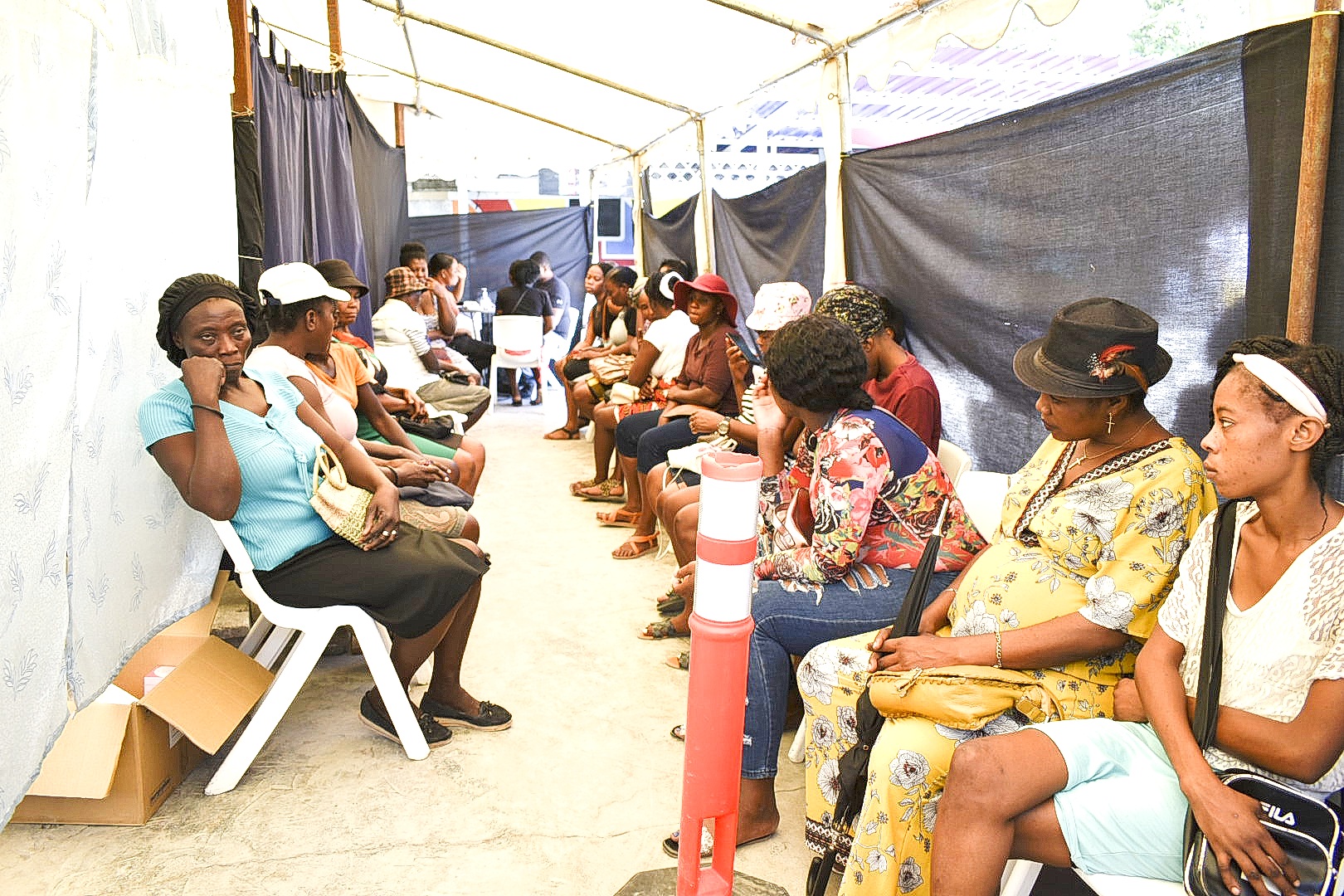
Beyond Civil Unrest: Understanding the Crisis in Haiti and the Path Forward
Beyond Civil Unrest: Understanding the Crisis in Haiti and the Path Forward by Eugenia López Uribe, Regional Director at IPPF ACRO The recent episodes of violence on Haiti quickly made headlines worldwide through media outlets that exploit the image of a country in perpetual crisis, often neglecting the reasons behind it. This insufficient approach not only makes it challenging to understand the context but also to devise effective responses to it. In Haiti, we see the ravages of a colonial history deeply rooted in slavery, interventionism from the global North, natural disasters exacerbated by climate change, the democratic void of an illegitimate state, and an international framework that has historically refused to work together with local actors to find solutions. As organizations and individuals working for human rights, it is our responsibility to prioritize a more concrete response to the Haitian people and to articulate a strategy to mitigate the social and political effects in the rest of the region. In terms of migration, for instance, according to the United Nations, out of Haiti's 11.5 million inhabitants, at least 35,000 have fled their homes since the beginning of 2024 due to the escalating crisis, and over 362,000 have been displaced by violence. According to Human Rights Watch, more than 63,000 people from Haiti crossed the Darien Gap, one of the most dangerous points on the migratory route to North America, between January 2022 and November 2023, risking their lives to escape what is happening on the island. As a counterpoint, according to the International Organization for Migration, in March of this year, 13,000 people were forced to return amid the unfolding crisis. This figure is 46% higher than that of February. We cannot overlook the role of the arms industry, which thrives at the expense of the lives of thousands of people in vulnerable situations. Haiti is part of a list of territories struggling to survive in situations of armed conflict and violence around the world, such as Palestine, Yemen, Sudan, Congo, Syria, and Afghanistan, to name a few. In recent months, we have seen powerful and significant mobilizations that bring us closer to the reality of Africa and the Middle East. However, today we have a humanitarian situation in our region that also requires our attention and resources. The sexual and reproductive health of all individuals, but especially women and girls, in all their diversity, is under imminent threat. The United Nations Integrated Office in Haiti warns that if the situation continues like this, 3,000 pregnant women will not be able to access the medical care they need. This means that nearly 450 women could experience complications during childbirth that could endanger their lives if they do not receive proper care. Furthermore, the risk of being victims of sexual assault and abuse is growing even more in Haiti. The lack of access to gender-based violence services in internally displaced persons camps exacerbates the situation for victims and exposes them to a higher risk of experiencing further abuse. In the past, there have been many efforts to "support" Haiti. However, they have not significantly involved the country's population or the local groups and organizations that have been mitigating the effects of instability for decades. Those who have the experience and knowledge about the root causes of the issues facing Haiti are those who live them. It is urgent not only to involve them in the solutions but also to follow their leadership, invest in the strategies they deem priorities, and address their demands for transparency and accountability throughout the process. What is happening in Haiti today is, above all, the result of colonialism that has hindered the development and construction of an independent state. To de-escalate violence and restore damage in situations like Haiti's, something we can learn from its own history is the urgent need to listen to, empower, and finance local efforts and strategies to begin building a path towards peace and stability. This text was written by Eugenia López Uribe, Regional Director at IPPF ACRO. Eugenia is an experienced advocate for gender equality and sexual and reproductive rights, promoting innovation in the delivery of health services from a human rights perspective. She has worked with rural and indigenous people, adolescents, youth, LGBTQI+ populations, sex workers and women with HIV in Latin America and the Caribbean.

13 February 2024
Women and Science: A long history of defying stereotypes with determination
Join this inspiring journey! Growing up they said science wasn't for women, but every day proves that the space we want, can and will be ours! From the Americas to the Caribbean islands, women and girls are making our mark by defying stereotypes and overcoming barriers to take our space in science. This article highlights the diversity of young and adult women who make IPPF ACRO a region with a heart for communities and their people. Learn about these incredible women and their experience in science and how they contribute to the area of sexual and reproductive rights, These women scientists have not only expanded our understanding of the world, but are also inspiring future generations of girls to pursue their own scientific passions through their courage, ingenuity and resilience. Let's inspire more women and girls to join the exciting journey of scientific knowledge in the Americas and the Caribbean!

21 February 2024
Two years of a historic decision
Two years ago, Colombia took a historic step on a path that has been trodden for decades by thousands of women and whose goal has always been equity, guaranteed rights and recognition of their full citizenship. Two years ago, abortion permeated our society with the force of solid arguments that demanded its guarantee as a matter of human rights, public health and social justice. Two years ago, a sentence by Annie Ernaux, Nobel Prize in Literature (2022) echoed in my head because of the power and significance of the coincidence that reminded us that: "the impossibility of imagining that one day women could decide to have an abortion freely" had ended in Colombia with Ruling 055 of 2022. It only took a few months to prove that the Constitutional Court was right in its decision, that the decriminalisation of abortion was the way forward, and that the weighting of women's rights brings us ever closer to that society with true gender equality for which so many of us are working. You got it right, Court! At the time, one of the main arguments used by opponents of decriminalising abortion in the country was that the 24-week time limit was too long, which would mean that women and pregnant women would wait until they reached the maximum permitted limit to have an abortion. The truth is that no woman, of her own free will and intention, would seek to continue her pregnancy in order to terminate it at advanced gestational age. On the contrary, the balance of the first two years indicates that 9 out of 10 abortions performed at Profamilia were performed before the 12th week of gestation, that is, 92% of the total number of voluntary terminations of pregnancy were performed in the first trimester and by means of medication. It was a good decision, Court! The same balance sheet shows an 18.7% increase in the number of abortions in the last two years, and not because women are having more abortions for the sake of it. The increase, as well as being expected, is positive because it represents the registration in the system of those who without decriminalisation would have resorted to unsafe, clandestine procedures that would put their lives at risk, but today, at least under the law, can do so legally, safely and with the opportunity to do so.

06 February 2024
Say NO to female genital mutilation. Everywhere.
Say NO to female genital mutilation. Everywhere. According to UNICEF, around 200 million girls and women have been subjected to FGM , while many more remain unknown. It is time to join forces to say NO to this horrific practice. Let’s make sure all women and girls will be free from torture or other cruel, inhuman or degrading treatment or punishment.

17 October 2023
Día Internacional para recordar que la pobreza tiene género
Since 1987, October 17 allows us to reflect on international progress in the eradication of poverty in the world, which is an imperative need: poverty is a violation of the human rights of all people and it is serious that it continues to exist, since we already have all the technologies and knowledge to eradicate it. However, its elimination requires responses with a gender perspective: in Latin America and the Caribbean, women are 30% less likely than men to have access to employment and are more likely to live in poverty and to reach old age without a decent pension. In this sense, today is also a day to remember that guaranteeing sexual and reproductive rights to women and girls, in all their diversity, is also a basic pillar in the fight against poverty. And that is why civil society organizations in the region continue to work to mitigate the impact of poverty on girls and women, specifically in everything related to their full access to services and information on sexuality and reproduction. Still, it is important to call attention to the responsibility of States, because, unfortunately, the data indicates that the governments of our region, in general, need to do much more to ensure that girls, women and transgender people have equal economic opportunities and, until this happens, that they have access to social security programs to help them survive. This has been an ongoing effort by all IPPF's member and partner organizations, present in more than 27 countries in Latin America and the Caribbean. They work directly in their communities providing medical and health services such as access to contraception, STI treatment and other services associated with gender-sensitive, person-centered sexual and reproductive health. And the challenge remains great: in the region, one in four girls marries before the age of 18 and most become pregnant before the age of 20. This negatively impacts their future, as most drop out of school, and spend twice as much time engaged in unpaid work such as housework and caregiving. Likewise, the needs are the most basic, such as the lack of access to sanitary pads, tampons, or menstrual cups, which aggravates the situation of women and girls who do not have the economic resources to access them, endangering their health by using unhygienic supplies. According to the Friedrich Ebert Foundation, only 9 out of 31 countries in the region consider menstrual hygiene products as necessities and 30% of girls in Latin America and the Caribbean are absent from school when they are menstruating, limiting their learning and development opportunities, which perpetuates the cycle of gender inequality. As Chanelle Beatrice, co-executive director of Feminitt Caribbean recalls, "Ending period poverty isn't just a matter of providing necessities –– it's supporting people regardless of gender and sexuality, ensuring that every person can exist without barriers, and ensuring they have the dignity they deserve. Menstrual equity must exist to sustain the eradication of poverty." Finally, also among the most neglected populations by public policies, today we also need to remember that, for the transgender community, the impact of poverty and poor access to sexual and reproductive health services is even stronger in the face of discrimination against them. The Inter-American Commission on Human Rights (IACHR) itself calls attention to the fact that trans persons "face poverty, social exclusion and high rates of inaccessibility to housing, pressuring them to work in highly criminalized informal economies, such as sex work or sex for survival". In other words, with so much data and evidence before us and with so many possibilities for progress, today is, above all, a day to remind all Latin American countries of the need to take better care of their people and to accelerate actions that will lead us to reduce the alarming levels of inequality and poverty in our region.

IPPF ACRO express concern over guidance of the Zambian Ministry of Health who advised against the use of the term “sexual and reproductive health and rights”.
At a time of profound and multiple crises, it is worrying that the focus of any government's action is to go back on already consolidated international commitments, particularly those which recognize, based on evidence, that Sexual and reproductive health and rights (SRHR) are fundamental human rights, central to eradicating poverty and achieving sustainable development across its social, economic, and environmental dimensions. SRHR – which encompasses a range of issues, including universal access to SRH services and supplies, comprehensive sexuality education, and ending gender-based violence and harmful practices such as early, child and forced marriage – are fundamental to the ability of all people, especially women, adolescent girls and young people, to lead full, satisfying, healthy and productive lives. SRH services are a critical aspect of SRHR, but a complete understanding of sexual and reproductive health and rights goes far beyond on access to health facilities and services to include an array of social, legal, institutional, and financial arrangements that enable individuals to exercise their rights in general and addresses the underlying social determinants. In this regard, our Latin American community urges the government of Zambia to review its position and, on the contrary, to improve and expand the SRHR services, including increasing funding in this sector, for example by investing in fulfilling the human rights of women and girls, in all their diversity, as gender discrimination is one of the leading determinants of poor health and unwanted SRHR outcomes. It is also key to addressing inequities in access due to poverty and multiple forms of discrimination, stigma and social and economic exclusion affecting various population groups. We conclude by highlighting the importance of evidence-based policies and, in 2023, the data indicates that effective policies are not those based on stigma and discrimination or elimination of rights. On the contrary, effective policies are those that include, care for, and treat all people as subjects of rights, capable of making decisions about their health and reproductive life, with the support of a State committed to promoting citizenship and the human dignity of their people. Here, at IPPF ACRO, we will remain attentive and always willing to contribute so that rights do not go backwards and no one is left behind. In solidarity, Eugenia Lopez Uribe Regional Director for the Americas and the Caribbean
31 March 2025
A Triangle of Vulnerability and Inequality
Haz click aquí para leer este artículo en español. The relationship between sexual and reproductive health, care burdens, and gender-based violence forms a structural system that perpetuates inequality and limits women's autonomy in Venezuela. The denial of essential rights, the unequal distribution of care responsibilities, and economic dependence create a fertile ground for violence, preventing women from leaving abusive relationships and limiting their ability to make decisions about their health and lives. A study by the Venezuelan Association for Alternative Sexual Education (AVESA) reveals alarming data on the connection between access to sexual and reproductive health services and gender-based violence. Among women who have survived violence, 61% have little to no access to sexual and reproductive health services, compared to 43% of women who have not experienced violence. Additionally, 80% of women attend a gynecological consultation only once a year or never, despite 7 out of 10 having faced some gynecological condition. A striking 57% of pregnancies were unplanned, limiting reproductive autonomy and increasing women's dependence on their partners. Moreover, 32% of sexually active women do not use contraceptive methods, even though 87% of them do not wish to have children. In states like Lara, unmet contraceptive needs reach as high as 46%. The lack of access to sexual and reproductive health services not only restricts women’s ability to exercise control over their bodies and lives but also exposes them to a greater risk of gender-based violence. While 58% of women have suffered some form of gender-based violence, 79% of them do not recognize themselves as survivors, highlighting the normalization of violence in society. Access to sexual and reproductive health information and services is, therefore, a crucial tool for preventing violence and strengthening women's autonomy. However, the burden of unpaid care work reinforces these patterns of inequality and violence. AVESA’s research in vulnerable communities in Táchira and Zulia shows that women spend between 14 and 16 hours a day on unpaid care tasks, including house cleaning, food preparation, childcare, and caring for sick or elderly family members. Furthermore, 75% of these women also work outside the home, extending their daily workload to 18 hours or more. Economic dependence is also a key factor: 68.5% of married or cohabiting women depend financially on their male partners, while 10% of divorced women still rely on their ex-partners for financial support. This overwhelming burden not only limits women's time and energy to seek help or generate their own income but also reduces their ability to leave violent relationships. The intersection of health, care, and violence creates a vicious cycle that is difficult to break. Women with less access to gynecological and contraceptive services are 22% more likely to experience gender-based violence. However, those who participate in care-sharing programs and have greater access to comprehensive sexual education report 17% fewer cases of violence in their lives. In communities where care redistribution programs have been implemented, women report significant improvements in their quality of life: more time for self-care, greater participation in economic activities, reduced stress and fatigue, and increased ability to recognize and respond to violence. To address this issue comprehensively, concrete measures must be implemented to ensure access to sexual and reproductive health services and promote the redistribution of care work. Expanding access to contraception, family planning, and gynecological care is urgent, as is implementing comprehensive sexual education programs in schools and communities. Additionally, public policies that promote shared caregiving responsibilities must be established so that domestic and dependent care work does not fall exclusively on women. Gender-based violence will not be solved solely through protection measures and support for survivors; a structural transformation is essential to guarantee women autonomy over their health, time, and economic security.
24 June 2024
Webinar | Adolescent Informal Unions in the Caribbean and Latin America: Challenges 30 Years After the Belem Do Para Convention
Haz click aquí para leer esta noticia en español. In Latin America and the Caribbean (LAC), one in five women marry or enter a union before the age of 18. This is the only region in the world where child marriage rates have hardly decreased over the past 25 years, and where informal unions without official registration are far more common than formal marriages. Given the relevance of addressing Child, Early, and Forced Marriages and Unions (CEFMU) in our region, IPPF ACRO has launched a series of webinars, “Informal Unions in the Caribbean and Latin America”, to strengthen cross regional dialogue to promote comprehensive initiatives that put adolescents’ rights and autonomy at the centre. The first of these sessions commemorated the 30th anniversary of the Inter-American Convention on the Prevention, Punishment, and Eradication of Violence against Women, known as the Convention of Belém do Pará by analysing the situation of adolescent’s informal unions in the region and their link to discrimination and gender-based violence. As a keynote speaker, Dr. Gabrielle Hosein, researcher and academic from the Institute for Gender and Development Studies at the University of the West Indies, shared the research she conducted from 2021 to 2023 on Child Marriage and Early Unions in the Caribbean commissioned by UNICEF under the Spotlight Initiatives Caribbean Regional Programme. A gender-based violence issue The Belém do Pará Convention is the main regional instrument to address violence against women as a violation of their human rights. Thirty years after the adoption, child marriages have been recognised as part of harmful practices, being both a cause and a consequence of gender-based violence against girls and adolescents. “It's still a challenge for all of us because despite all the commitments signed at the UN level, Child, Early, and Forced Marriages and Unions are still a barrier for many girls and young women, and it really has impeded their rights to be fulfilled,” Alessandra Nilo, IPPF ACRO’s External Relations Director, reflected when opening the session. Although these political commitments imply numerous intersectoral interventions – ensuring girls' access to education, sexual and reproductive health, and rights, ending gender stereotypes and gender-based violence, and ensuring equality before the law – government responses in the region have been limited mainly in raising the age of marriage to 18 years and eliminating exceptions. This response, although an important step, is insufficiently short in addressing the needs and situations that girls, adolescents and young women go through. Zooming in on the Caribbean context There is growing regional evidence about underlying drivers, manifestations and impacts of CEFMU on the girls who marry, as well as in their families and communities. However, there remains a large information gap on the situation in the Caribbean. At the end of 2023, Dr. Gabrielle Hosein published a research brief that summarises the information available on CEFMU in the Caribbean and complements it with findings of research commissioned by UNICEF in the framework of the Spotlight Initiative Caribbean Regional Program, conducted in six Caribbean countries. “It's really important in our region that we always keep the question of adolescent sexual agency in mind and adolescent agency overall, and that we don't simply think about adolescent girls as victims,” Dr. Hosein shared. “In our region, early unions, which are primarily informal, tend to be entered into by girls themselves. That is, girls are not being forced or married off into unions as they might be in other places or sold into unions in the same rates as in other places.” “None the less, girls are in disadvantage context, characterized by vulnerability, and they may enter unions for transactional exchange, for protection, to escape from family violence to secure support for their education and to experience intimacy.” In this research, Dr. Hosein and colleagues found clear intersectionalities that emerge from the data and point to the need to focus on the vulnerability these populations have been put in. Any approach needs to recognize these structural factors. Make sure you sign up to our newsletter to get information on the next webinars! Sign up here.
28 May 2024
Women's health in the age of climate change
Haz click aquí para leer este texto en español. Women's health in the age of climate change By Eugenia López Uribe, IPPF ACRO Regional Director Can you imagine a world where all women are free to make decisions about their sexuality and well-being? Gender-based violence, lack of investment in quality health services resulting in limited services, obstructive health workers, insufficient supplies and little or inaccurate information are just some of the barriers women face in accessing their right to sexual and reproductive health. As we commemorate International Day of Action for Women's Health, I would like to emphasise how women's health is further threatened by the climate crisis. Let’s start by answering what is sexual and reproductive health? When we talk about sexual and reproductive health for women, we mean, among other things, that they can: Have safe and satisfying sex lives. Decide about their reproduction: decide whether they want to be mothers or not, as well as the number and spacing of their children. Decide their sexual and romantic partners. To live and explore their sexual orientation and gender identity with freedom and safety. Access affordable and quality sexuality-related health services. For women's right to health to be guaranteed, it is vital that they have access to quality, accessible and affordable sexual and reproductive health services. These services should include contraception, prevention and treatment of sexually transmitted infections (STIs), prenatal care, childbirth and postpartum care, sexual violence care and counselling, abortion care, fertility care, cervical cancer prevention and treatment, accurate information, among others. For a variety of reasons, women and girls still face barriers to receiving these services in a comprehensive manner. This is even more complex in the context of the current climate emergency. How does the climate crisis affect women's access to health? Gender inequalities, poverty, discrimination and the lack of policies that guarantee access to education and health services are factors that limit women's enjoyment of sexual and reproductive health. Today, the consequences of the climate crisis have become an additional obstacle. According to UN data, 80% of people displaced by climate change are women and girls. The gender-differentiated effect cannot go unnoticed. Here are some examples: The destruction of critical infrastructure, such as health clinics and transportation routes, caused by extreme weather events can prevent women and girls from reaching health services or make them unavailable to them. In humanitarian response work during emergency situations, sexual and reproductive health services are often underfunded. Because they are not considered priority services, women are forced to go through their pregnancies, childbirths, postpartum and menstrual cycles under the worst conditions. In addition, research has found significant associations between air pollution and heat exposure and risk pregnancy outcomes, including preterm birth, low birth weight and stillbirth. Extreme weather events caused by climate change increase the lack of access to clean and safe water. As well as being vital to people's overall health, lack of water presents a profound challenge to menstrual management, pregnancy care, the administration of certain contraceptive methods and the provision of safe abortion. The climate crisis has many other harmful impacts on women's lives. When women are displaced, they are at greater risk of violence, including sexual violence. Living in emergency camps or crossing migration routes exposes them to dangers such as human trafficking, early and forced marriages and unions, and exploitative labour. A terrible example is the current crisis in Rio Grande do Sul, Brazil, where massive flooding has forced more than 600,000 people to flee their homes and has affected more than 2.3 million Brazilians. In addition, as of May 25, 165 people have been killed, 130 are missing and 2.1 million people have been affected. Gestos, IPPF's Collaborating Partner in Brazil, notes with indignation and concern in this statement the cases of sexual violence against women - including minors - in shelters. An urgent call to action At this moment in history, we all understand that inequalities and marginalisation are key factors that increase vulnerability to the impacts of the climate crisis. Addressing gender inequality and other forms of marginalisation is therefore crucial in the context of the current climate emergency. A key tool for doing so is to mandate governments to implement the Sendai Framework for Disaster Risk Reduction, which articulates with the 2030 Agenda for Sustainable Development and explicitly targets access to reproductive health services among important measures to improve resilience and empower people disproportionately affected by disasters. This declaration, also signed in 2015 by UN Member States, commits ‘to promote universal access to Sexual and Reproductive Health services with a view to fostering healthy societies. Thus, on this International Day of Action for Women's Health, we call on governments to remind them it is urgent to invest in strengthening resilience and adaptive capacity, both to the slow impacts of the climate crisis and to its more immediate effects. We need to prioritize women, youth and girls in all their diversity, as they are the ones who bear the weight of the crisis. At IPPF, we are committed to, and are making significant progress to: Strengthen evidence linking Sexual and Reproductive Health and Rights and the climate crisis; Support communities to adapt to the impacts of the crisis; Reduce our own carbon footprint and the impacts of our internal policies. However, our efforts as a Federation and as part of civil society alliances will not be enough. Governments and decision-makers must recognise and support access to sexual and reproductive health and rights as fundamental to climate change adaptation and resilience. It is imperative that they place human rights, environmental justice and gender equality at the centre of efforts to address the climate crisis. We must address today the responsibility of countries to reduce their emissions and advocate for low- and middle-income countries to have the financial conditions necessary to respond and adapt to the climate crisis. Women and girls can wait no longer. This text was written by Eugenia López Uribe, Regional Director at IPPF ACRO. Eugenia is an experienced advocate for gender equality and sexual and reproductive rights, promoting innovation in the delivery of health services from a human rights perspective. She has worked with rural and indigenous people, adolescents, youth, LGBTQI+ populations, sex workers and women with HIV in Latin America and the Caribbean.
21 May 2024
Reclaiming our power to pleasure ourselves
Haz click aquí para leer este texto en español. When was the last time you erotically touched your body to pleasure yourself? Months ago? Today? Was it the last time you were alone at home? Do you remember? Let's speak without shame or fear: masturbation is gooooood. Some people do it to get off, others to sleep better, others to prepare the scene for more sexual activities with partners. The reason doesn’t matter, May is the month dedicated to Masturbation, so it is a good time to take a deeper dive into it. The perfect touch Masturbation is the erotic stimulation of our bodies, more specifically, the genitals. We can do it with our hands, pillows, sex-toys and many other ways. Our creativity is our limit. And we can do it alone or by allowing other people to do it for us. Through masturbation, we can learn about our body, what arouses us, what we like and what we don’t. It is also a great way to feel sexual pleasure. The purpose can vary. There are people who don't feel ready to have sex and there are times when we don't want to be with other people. It doesn’t matter. With or without a partner, the reason that makes us want to masturbate is that it can give us a lot of pleasure. Yes! It feels good. We feel pleasure when we touch ourselves, when we find our own right movement and the level of pressure to fill our nervous system with the “happy hormones” – endorphins, serotonin, dopamine, and oxytocin. That’s why masturbating is good not only at that moment, but also after the orgasm, helping us to lower the stress, to block pain, and to relax throughout the day. Moreover, allowing ourselves to achieve this level of pleasure is a firm sign that we are taking good care of our body and mind. Reclaiming our power to pleasure ourselves Picture this: you walk into your favourite coffee shop, straightforward to the counter and very sure of yourself and you order your preferred drink, whatever it is. You choose the beverage, the size, the syrup flavour, the sweetener, and temperature. You pay the bill and wait at the end of the counter. They call out your name and, finally, you take that first sip that you desired so much. What does it taste like? How does it feel? There are few things that can compare to this feeling, the empowerment that comes with asking exactly for what you want--- and getting it. In a coffee shop, in life, and in sexual practices, getting to the point where you know exactly what you want can be a little tricky, and sometimes it takes time. Masturbation is a journey to understand our sexual preferences and desires. Claiming our power to pleasure ourselves is about adding more possibilities rather than only experiencing it with others. It’s about developing the power of knowing what works best for us and being able to make it happen. Let’s not forget that pleasure is also a political issue, which has to do with our right to our bodies. Hence, masturbation is too. Societies often feel geared towards norms and end up imposing impose shame, fear and misinformation about masturbation. In many countries and cultures our sexuality has been turned into a taboo. However, acts of self-enjoyment, like masturbation, can be a form of resistance against this system. By reclaiming our time and our bodies, and the use of both for our pure pleasure, we recover our right to decide about our lives. An act of self-care Self-care has been addressed in different ways over time. Recently, mostly due to the impact of the COVID-19 pandemic, it has been used to refer to acts of self-enjoyment, hobbies, and new habits, such as adopting organic food, exercise practices, greater water intake, and encouraging a more positive and healthy way of living. And YES, we’re here for it. This rise of the self-care movement has underpinned the importance of carrying out activities that centre our well-being. Masturbation then, encompasses self-care very well. Besides reducing the stress and improving sleep, it also boosts our immunity system, and it is linked to lower prostate cancer in people with penis and reduced risk of urinary infections in people with vulvas, while also improving cognitive functioning and self-image. And let’s not forget: pleasure is also a vital aspect of our mental and physical well-being. Along with masturbation, there’s other decisions and acts we can take to achieve our pleasure and self-care, such as making informed decisions on the contraceptive method that best suits our needs, planning on reproductive choices, on our career, and on leisure activities, as well as deciding on having abortions or continuing pregnancies when we’re faced with a positive pregnancy test. Did you ever think about it? Finishing off Masturbation is an act of pleasure, but also a reminder that you are the expert: what feels right and what doesn’t is up to you. You have - literally- the power in your hands. In bed, or in society, alone, in a group or with a partner, you will always be the one who knows what is the best for you. 😉 Happy Masturbation May!
01 April 2024
Beyond Civil Unrest: Understanding the Crisis in Haiti and the Path Forward
Beyond Civil Unrest: Understanding the Crisis in Haiti and the Path Forward by Eugenia López Uribe, Regional Director at IPPF ACRO The recent episodes of violence on Haiti quickly made headlines worldwide through media outlets that exploit the image of a country in perpetual crisis, often neglecting the reasons behind it. This insufficient approach not only makes it challenging to understand the context but also to devise effective responses to it. In Haiti, we see the ravages of a colonial history deeply rooted in slavery, interventionism from the global North, natural disasters exacerbated by climate change, the democratic void of an illegitimate state, and an international framework that has historically refused to work together with local actors to find solutions. As organizations and individuals working for human rights, it is our responsibility to prioritize a more concrete response to the Haitian people and to articulate a strategy to mitigate the social and political effects in the rest of the region. In terms of migration, for instance, according to the United Nations, out of Haiti's 11.5 million inhabitants, at least 35,000 have fled their homes since the beginning of 2024 due to the escalating crisis, and over 362,000 have been displaced by violence. According to Human Rights Watch, more than 63,000 people from Haiti crossed the Darien Gap, one of the most dangerous points on the migratory route to North America, between January 2022 and November 2023, risking their lives to escape what is happening on the island. As a counterpoint, according to the International Organization for Migration, in March of this year, 13,000 people were forced to return amid the unfolding crisis. This figure is 46% higher than that of February. We cannot overlook the role of the arms industry, which thrives at the expense of the lives of thousands of people in vulnerable situations. Haiti is part of a list of territories struggling to survive in situations of armed conflict and violence around the world, such as Palestine, Yemen, Sudan, Congo, Syria, and Afghanistan, to name a few. In recent months, we have seen powerful and significant mobilizations that bring us closer to the reality of Africa and the Middle East. However, today we have a humanitarian situation in our region that also requires our attention and resources. The sexual and reproductive health of all individuals, but especially women and girls, in all their diversity, is under imminent threat. The United Nations Integrated Office in Haiti warns that if the situation continues like this, 3,000 pregnant women will not be able to access the medical care they need. This means that nearly 450 women could experience complications during childbirth that could endanger their lives if they do not receive proper care. Furthermore, the risk of being victims of sexual assault and abuse is growing even more in Haiti. The lack of access to gender-based violence services in internally displaced persons camps exacerbates the situation for victims and exposes them to a higher risk of experiencing further abuse. In the past, there have been many efforts to "support" Haiti. However, they have not significantly involved the country's population or the local groups and organizations that have been mitigating the effects of instability for decades. Those who have the experience and knowledge about the root causes of the issues facing Haiti are those who live them. It is urgent not only to involve them in the solutions but also to follow their leadership, invest in the strategies they deem priorities, and address their demands for transparency and accountability throughout the process. What is happening in Haiti today is, above all, the result of colonialism that has hindered the development and construction of an independent state. To de-escalate violence and restore damage in situations like Haiti's, something we can learn from its own history is the urgent need to listen to, empower, and finance local efforts and strategies to begin building a path towards peace and stability. This text was written by Eugenia López Uribe, Regional Director at IPPF ACRO. Eugenia is an experienced advocate for gender equality and sexual and reproductive rights, promoting innovation in the delivery of health services from a human rights perspective. She has worked with rural and indigenous people, adolescents, youth, LGBTQI+ populations, sex workers and women with HIV in Latin America and the Caribbean.
13 February 2024
Women and Science: A long history of defying stereotypes with determination
Join this inspiring journey! Growing up they said science wasn't for women, but every day proves that the space we want, can and will be ours! From the Americas to the Caribbean islands, women and girls are making our mark by defying stereotypes and overcoming barriers to take our space in science. This article highlights the diversity of young and adult women who make IPPF ACRO a region with a heart for communities and their people. Learn about these incredible women and their experience in science and how they contribute to the area of sexual and reproductive rights, These women scientists have not only expanded our understanding of the world, but are also inspiring future generations of girls to pursue their own scientific passions through their courage, ingenuity and resilience. Let's inspire more women and girls to join the exciting journey of scientific knowledge in the Americas and the Caribbean!
21 February 2024
Two years of a historic decision
Two years ago, Colombia took a historic step on a path that has been trodden for decades by thousands of women and whose goal has always been equity, guaranteed rights and recognition of their full citizenship. Two years ago, abortion permeated our society with the force of solid arguments that demanded its guarantee as a matter of human rights, public health and social justice. Two years ago, a sentence by Annie Ernaux, Nobel Prize in Literature (2022) echoed in my head because of the power and significance of the coincidence that reminded us that: "the impossibility of imagining that one day women could decide to have an abortion freely" had ended in Colombia with Ruling 055 of 2022. It only took a few months to prove that the Constitutional Court was right in its decision, that the decriminalisation of abortion was the way forward, and that the weighting of women's rights brings us ever closer to that society with true gender equality for which so many of us are working. You got it right, Court! At the time, one of the main arguments used by opponents of decriminalising abortion in the country was that the 24-week time limit was too long, which would mean that women and pregnant women would wait until they reached the maximum permitted limit to have an abortion. The truth is that no woman, of her own free will and intention, would seek to continue her pregnancy in order to terminate it at advanced gestational age. On the contrary, the balance of the first two years indicates that 9 out of 10 abortions performed at Profamilia were performed before the 12th week of gestation, that is, 92% of the total number of voluntary terminations of pregnancy were performed in the first trimester and by means of medication. It was a good decision, Court! The same balance sheet shows an 18.7% increase in the number of abortions in the last two years, and not because women are having more abortions for the sake of it. The increase, as well as being expected, is positive because it represents the registration in the system of those who without decriminalisation would have resorted to unsafe, clandestine procedures that would put their lives at risk, but today, at least under the law, can do so legally, safely and with the opportunity to do so.
06 February 2024
Say NO to female genital mutilation. Everywhere.
Say NO to female genital mutilation. Everywhere. According to UNICEF, around 200 million girls and women have been subjected to FGM , while many more remain unknown. It is time to join forces to say NO to this horrific practice. Let’s make sure all women and girls will be free from torture or other cruel, inhuman or degrading treatment or punishment.
17 October 2023
Día Internacional para recordar que la pobreza tiene género
Since 1987, October 17 allows us to reflect on international progress in the eradication of poverty in the world, which is an imperative need: poverty is a violation of the human rights of all people and it is serious that it continues to exist, since we already have all the technologies and knowledge to eradicate it. However, its elimination requires responses with a gender perspective: in Latin America and the Caribbean, women are 30% less likely than men to have access to employment and are more likely to live in poverty and to reach old age without a decent pension. In this sense, today is also a day to remember that guaranteeing sexual and reproductive rights to women and girls, in all their diversity, is also a basic pillar in the fight against poverty. And that is why civil society organizations in the region continue to work to mitigate the impact of poverty on girls and women, specifically in everything related to their full access to services and information on sexuality and reproduction. Still, it is important to call attention to the responsibility of States, because, unfortunately, the data indicates that the governments of our region, in general, need to do much more to ensure that girls, women and transgender people have equal economic opportunities and, until this happens, that they have access to social security programs to help them survive. This has been an ongoing effort by all IPPF's member and partner organizations, present in more than 27 countries in Latin America and the Caribbean. They work directly in their communities providing medical and health services such as access to contraception, STI treatment and other services associated with gender-sensitive, person-centered sexual and reproductive health. And the challenge remains great: in the region, one in four girls marries before the age of 18 and most become pregnant before the age of 20. This negatively impacts their future, as most drop out of school, and spend twice as much time engaged in unpaid work such as housework and caregiving. Likewise, the needs are the most basic, such as the lack of access to sanitary pads, tampons, or menstrual cups, which aggravates the situation of women and girls who do not have the economic resources to access them, endangering their health by using unhygienic supplies. According to the Friedrich Ebert Foundation, only 9 out of 31 countries in the region consider menstrual hygiene products as necessities and 30% of girls in Latin America and the Caribbean are absent from school when they are menstruating, limiting their learning and development opportunities, which perpetuates the cycle of gender inequality. As Chanelle Beatrice, co-executive director of Feminitt Caribbean recalls, "Ending period poverty isn't just a matter of providing necessities –– it's supporting people regardless of gender and sexuality, ensuring that every person can exist without barriers, and ensuring they have the dignity they deserve. Menstrual equity must exist to sustain the eradication of poverty." Finally, also among the most neglected populations by public policies, today we also need to remember that, for the transgender community, the impact of poverty and poor access to sexual and reproductive health services is even stronger in the face of discrimination against them. The Inter-American Commission on Human Rights (IACHR) itself calls attention to the fact that trans persons "face poverty, social exclusion and high rates of inaccessibility to housing, pressuring them to work in highly criminalized informal economies, such as sex work or sex for survival". In other words, with so much data and evidence before us and with so many possibilities for progress, today is, above all, a day to remind all Latin American countries of the need to take better care of their people and to accelerate actions that will lead us to reduce the alarming levels of inequality and poverty in our region.
IPPF ACRO express concern over guidance of the Zambian Ministry of Health who advised against the use of the term “sexual and reproductive health and rights”.
At a time of profound and multiple crises, it is worrying that the focus of any government's action is to go back on already consolidated international commitments, particularly those which recognize, based on evidence, that Sexual and reproductive health and rights (SRHR) are fundamental human rights, central to eradicating poverty and achieving sustainable development across its social, economic, and environmental dimensions. SRHR – which encompasses a range of issues, including universal access to SRH services and supplies, comprehensive sexuality education, and ending gender-based violence and harmful practices such as early, child and forced marriage – are fundamental to the ability of all people, especially women, adolescent girls and young people, to lead full, satisfying, healthy and productive lives. SRH services are a critical aspect of SRHR, but a complete understanding of sexual and reproductive health and rights goes far beyond on access to health facilities and services to include an array of social, legal, institutional, and financial arrangements that enable individuals to exercise their rights in general and addresses the underlying social determinants. In this regard, our Latin American community urges the government of Zambia to review its position and, on the contrary, to improve and expand the SRHR services, including increasing funding in this sector, for example by investing in fulfilling the human rights of women and girls, in all their diversity, as gender discrimination is one of the leading determinants of poor health and unwanted SRHR outcomes. It is also key to addressing inequities in access due to poverty and multiple forms of discrimination, stigma and social and economic exclusion affecting various population groups. We conclude by highlighting the importance of evidence-based policies and, in 2023, the data indicates that effective policies are not those based on stigma and discrimination or elimination of rights. On the contrary, effective policies are those that include, care for, and treat all people as subjects of rights, capable of making decisions about their health and reproductive life, with the support of a State committed to promoting citizenship and the human dignity of their people. Here, at IPPF ACRO, we will remain attentive and always willing to contribute so that rights do not go backwards and no one is left behind. In solidarity, Eugenia Lopez Uribe Regional Director for the Americas and the Caribbean